Pools · South Alabama
Buying a House With a Pool in South Alabama: Gunite, Fiberglass or Vinyl?
Construction type gives me clues. Condition gives me answers.
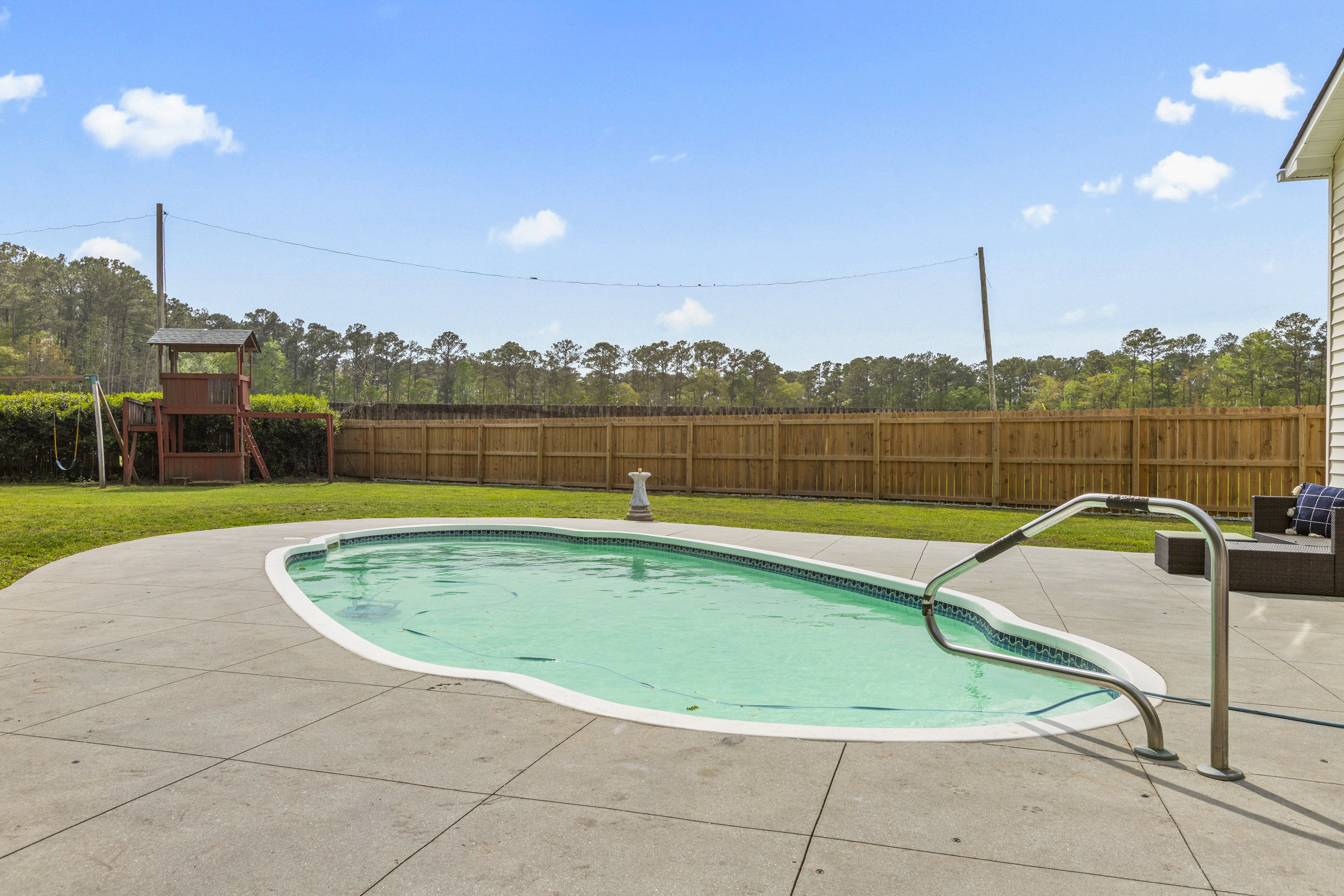
- Gunite
- Surface and resurfacing
- Vinyl liner
- Liner age
- Fiberglass
- Shell and finish
- Equipment
- Pump, filter, heater, salt
- Rule
- Condition over type
When you're buying a house with a pool, you aren't really choosing between gunite, fiberglass and vinyl.
Someone already made that choice for you.
Your job is to decide whether the pool sitting in front of you has been cared for well enough that you're comfortable inheriting it.
That distinction matters.
I've bought two houses with existing pools, and I've also built a gunite pool from scratch. Having done both, I can tell you that buying someone else's pool is a completely different exercise from designing your own.
When you build, you get to obsess over every detail. The shape. The depth. The steps. The finish. The equipment. Where the pool sits in the yard. Whether you want a tanning ledge. Whether the bench should go on this side or that side.
When you buy a house with a pool, none of that matters nearly as much.
The pool is already there.
Maybe you'd have designed it exactly that way. Maybe you wouldn't have chosen half the things the previous owner chose. Maybe you can't understand why the steps are where they are.
None of that necessarily makes it a bad pool.
What matters now is whether it's a good pool to own.
That's why I wouldn't walk into a backyard, hear the words "gunite pool" and automatically assume I'd found the better option. I wouldn't dismiss a vinyl-liner pool because somebody told me gunite was superior. And I wouldn't assume a fiberglass pool was somehow less desirable because it was manufactured instead of built in place.
When I'm buying an existing home, condition matters more to me than construction type.
Every single time.
The Type of Pool Tells Me What Questions to Ask
The material still matters. It just matters differently than people sometimes think.
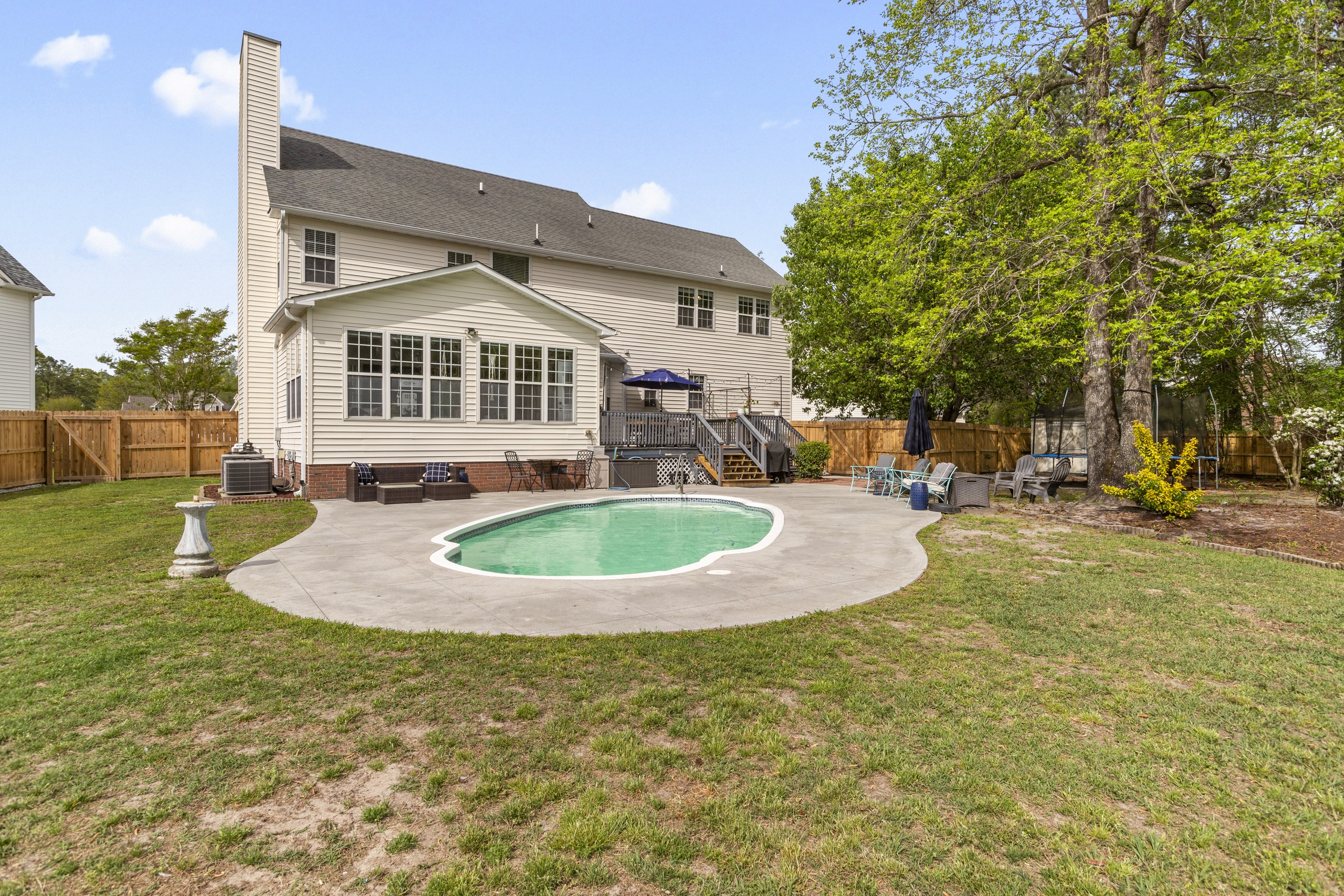
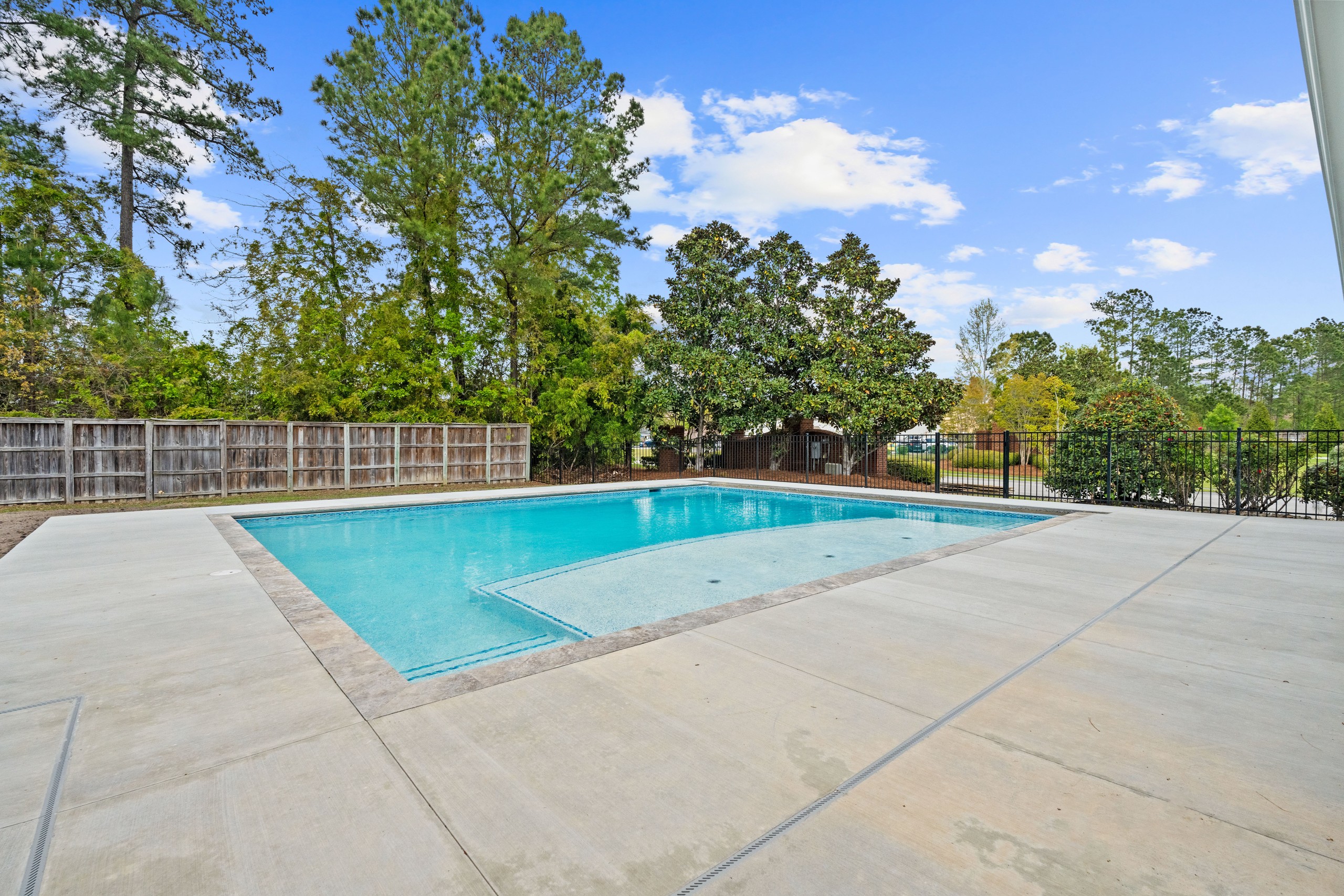
Gunite
If I'm looking at a gunite pool, one of my first questions is going to be about the surface.
Has it ever been resurfaced?
If so, when?
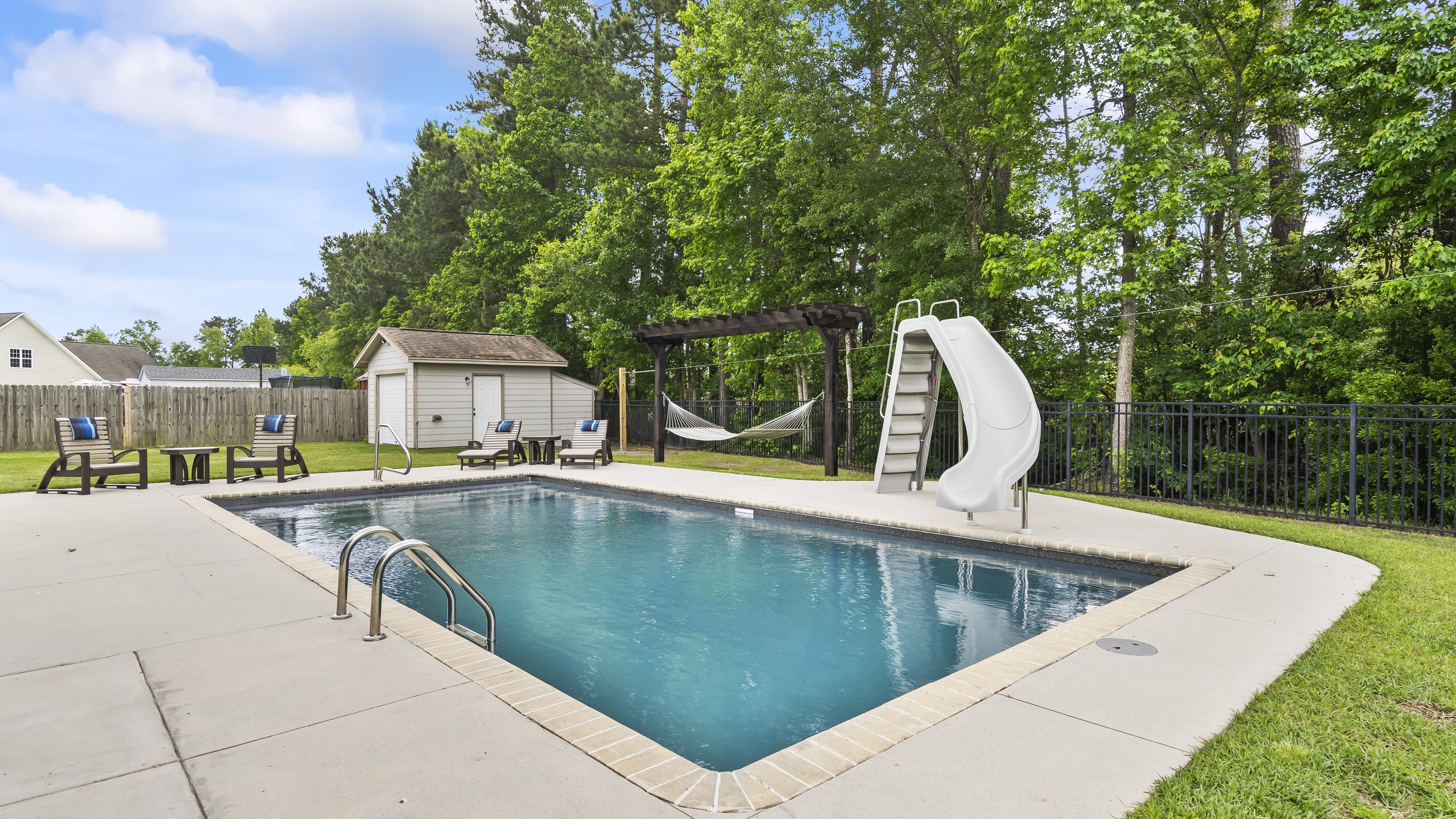
Gunite pools are durable, but the interior finish isn't something you install once and ignore forever. Over time, the surface can become rough, stained or discolored, or simply reach the point where resurfacing is part of normal ownership.
That doesn't scare me.
A 20-year-old gunite pool that's been properly maintained, resurfaced when needed and consistently cared for may be a very comfortable purchase.
What I don't like is mystery.
If the pool is 20 years old and nobody can tell me whether it's ever been resurfaced, when the equipment was replaced or whether there have been repairs, I want to dig further.
Age isn't automatically the problem.
Not knowing what happened during those years is.
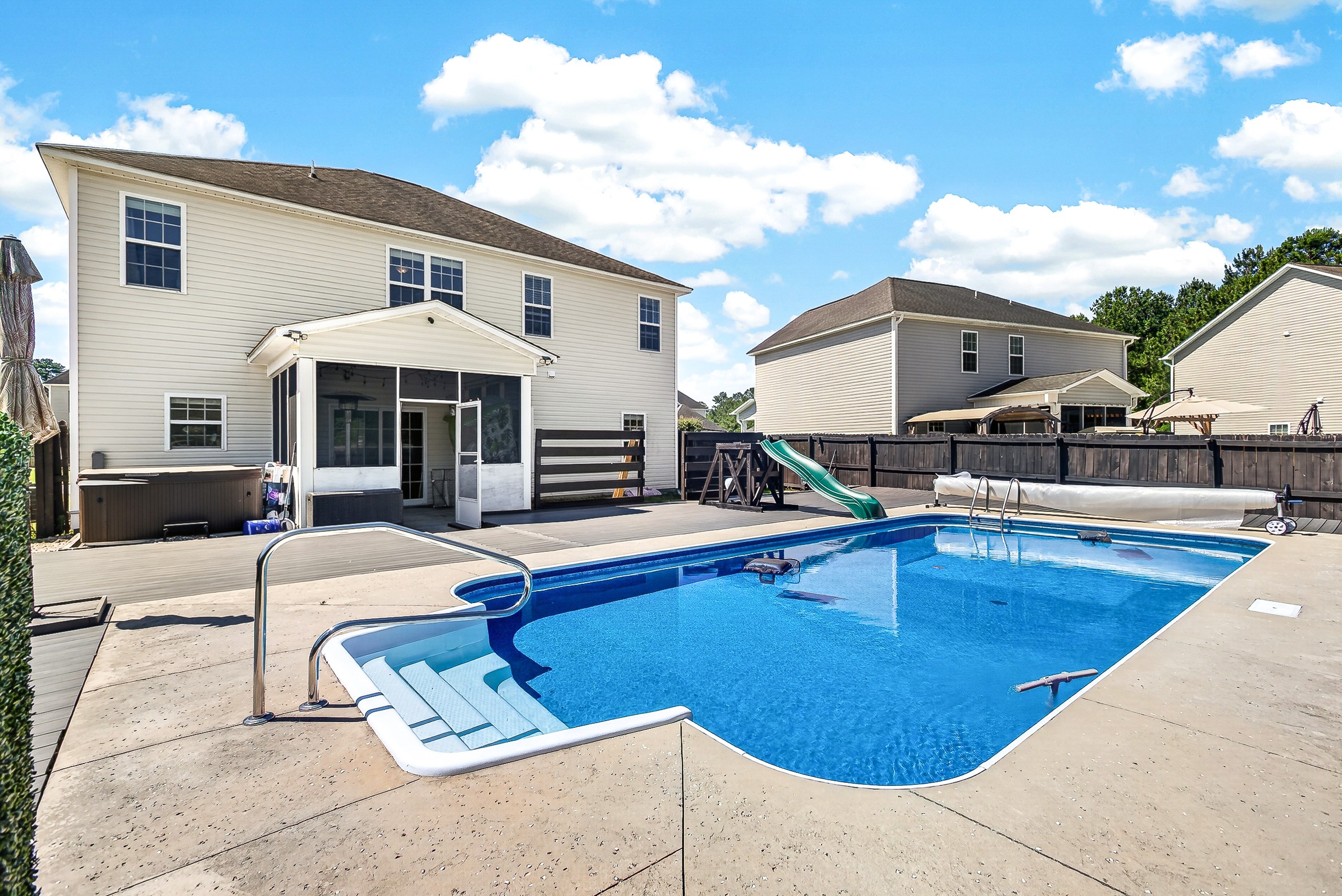
Vinyl Liner
With a vinyl-liner pool, the question changes.
I want to know how old the liner is.
The liner is a replaceable part of the pool. At some point, it will need another one. That isn't a design failure. That's how a vinyl-liner pool works.
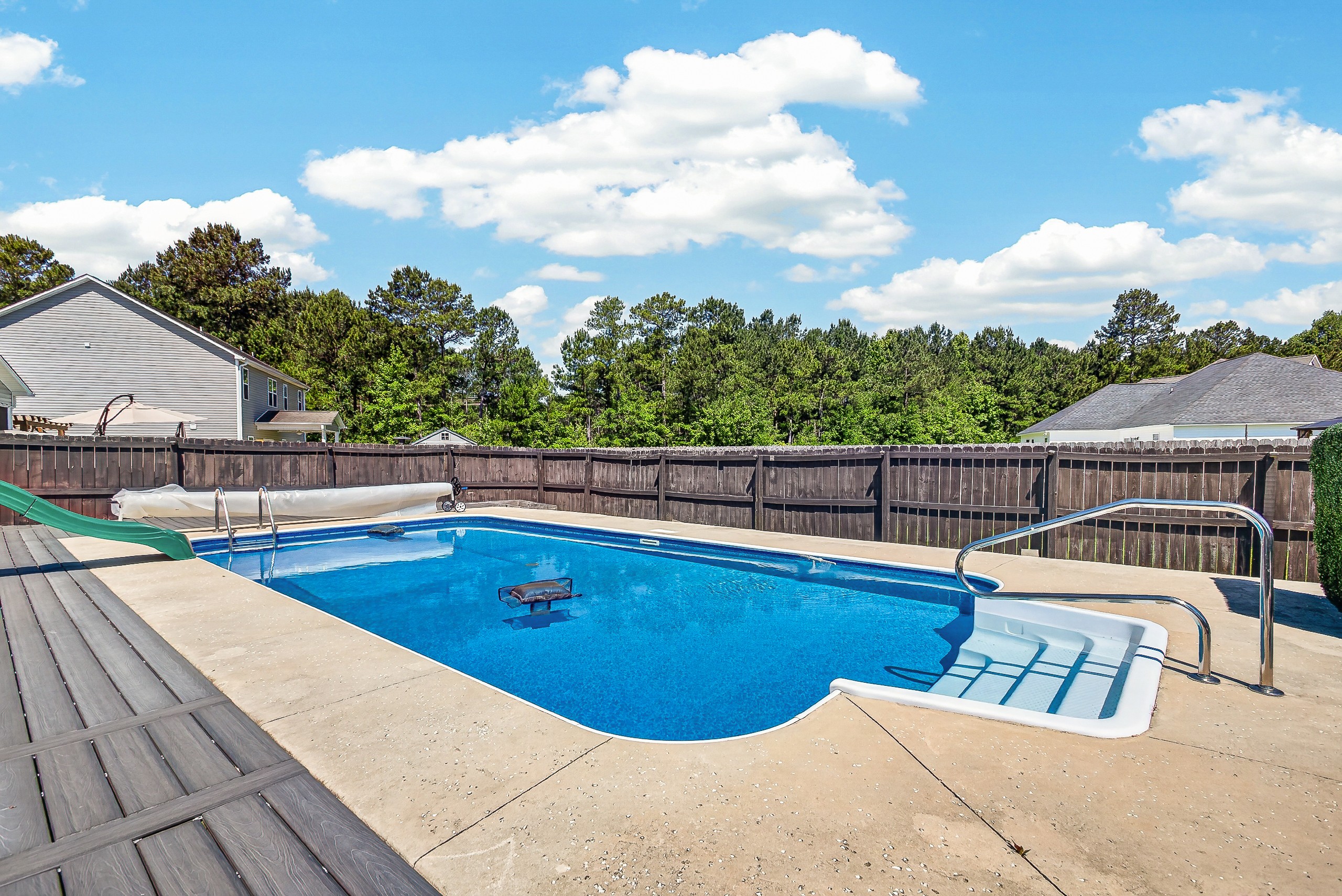
So if the seller tells me the liner was replaced two years ago, great. That's useful information.
If nobody knows how old it is and the liner is already faded, wrinkled, pulling away in places or showing other signs of wear, that's a different conversation.
I'm not automatically walking away from the house.
I just want to understand whether liner replacement is likely to be one of my early ownership expenses.
Fiberglass
Fiberglass brings another set of questions.
Because the pool is a manufactured shell, I'm paying attention to the condition of that shell, the finish, the surrounding decking and any signs of movement or installation problems.
I want somebody knowledgeable looking for things I may not recognize on my own.
Again, I'm not trying to decide whether fiberglass is philosophically better or worse than gunite.
I'm trying to decide whether this fiberglass pool is in good condition.
That's the part that matters when you're buying the house.
The Equipment May Matter More to Your Daily Life Than the Pool Itself
This is where buyers can get distracted by the wrong thing.
You walk outside and see beautiful blue water.
I eventually want to walk over to the equipment pad.
It isn't nearly as exciting, but it's where a lot of your future ownership experience lives.
Equipment questions
- How old is the pump?
- What kind of filter is there?
- Is the pool saltwater or traditionally chlorinated?
- If it's saltwater, how old is the salt system?
- Is there a heater, and does it work?
- Are there lights, and do they work?
- Is there automation, and do the controls actually function?
- Are there water features? Turn them on.
A pool can look absolutely gorgeous during a showing while thousands of dollars' worth of aging equipment sits just out of sight.
That doesn't mean every pump or heater needs to be brand new.
I don't expect a seller to replace perfectly good equipment just because it has some age on it.
I simply want to know what's there.
There's a big difference between buying a house knowing the pool pump is ten years old and may eventually need replacing, and finding that out three weeks after closing when it stops working.
One is homeownership.
The other feels like an ambush.
Ask Who Has Been Taking Care of It
This is one of the easiest questions to ask, and I think it's one of the most revealing.
Who maintains the pool?
If the seller uses a professional pool service, ask who it is.
When we bought our current house, the previous owner already had someone maintaining the pool. We kept them.
That turned out to be incredibly convenient, because they didn't need an introduction to the pool.
They already knew it.
They knew the equipment. They knew the history. They knew what had been replaced, what had caused problems and what was normal for that particular system.
There's real value in that continuity.
If the seller maintains the pool personally, that's perfectly fine too. Plenty of homeowners do.
I'd still ask about maintenance history and repairs:
Repair history to ask about
- Have they replaced a pump?
- Has the pool ever leaked?
- Has the heater been repaired?
- Has a salt cell been replaced?
- Has the liner been replaced?
- Has the gunite been resurfaced?
Nobody needs to produce a three-ring binder documenting every ounce of chlorine ever added to the water.
But a homeowner who knows their pool and can tell you what's been done over the years gives me a lot more confidence than someone who simply says, "It's always worked."
Have the Pool Inspected
I love pools, and I'd still have one inspected before buying the house.
Maybe especially because I love pools.
I know enough to know there's a lot you can't learn from standing beside pretty water for 15 minutes.
A pool inspection should fit the type of pool you're buying, and it should include the equipment, not just the visible structure.
I want someone looking for signs of leaks, surface problems, plumbing concerns, equipment issues, electrical concerns and anything else that deserves attention before closing.
If the pool has a heater, I want it tested.
If it has lights, I want them tested.
If there are water features, I want to see them run.
If the pool has automation, I want someone to confirm it actually does what it's supposed to do.
The goal isn't a promise that nothing will ever break.
That promise doesn't exist in homeownership.
The goal is to avoid buying an expensive problem that was already there and simply went unnoticed.
Sometimes the Bigger Issue Is Everything Around the Pool
After owning several pools, I pay a lot more attention to the yard around the water than I used to.
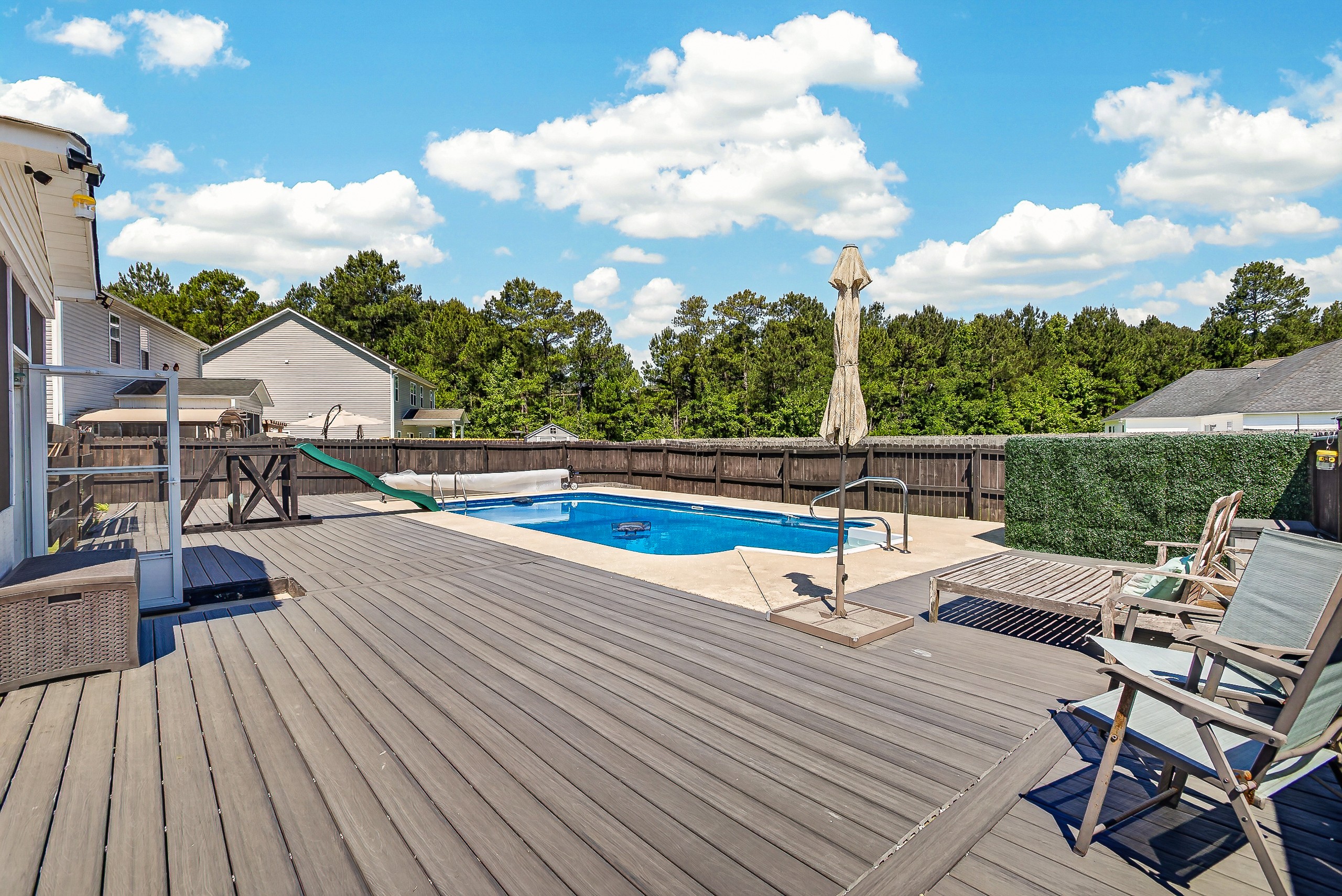
Look at the decking. Has it cracked? Settled? Shifted?
Look at the coping around the edge.
Look at how water drains around the pool and away from the house.
That one matters in South Alabama.
We don't specialize in gentle little afternoon sprinkles.
We can get an incredible amount of rain very quickly, and I want to understand what happens to all that water when it lands in the backyard.
Then look at the trees.
A beautiful mature tree can make a pool area feel fantastic.
That same tree may spend half the year depositing leaves, flowers, pollen, acorns, sticks and assorted botanical gifts directly into your water.
That may be completely worth it to you.
It may be completely worth it to me.
I'd simply like to know what I'm signing up for.
And look at how the backyard actually works:
How the backyard works
- Is there enough room around the pool for the way you'll use it?
- Is there shade?
- Is there somewhere to sit?
- How do people move from the house to the pool?
- Where are the gates?
- Where will wet swimmers come back inside?
A huge pool with almost no usable deck space may be less enjoyable than a smaller pool with a backyard that actually works.
You're buying the whole environment, not just the water.
Buying Someone Else's Pool Means Inheriting Someone Else's Decisions
This is probably the biggest difference I notice between the pool we built and the pools we bought.
When you build one, every decision belongs to you.
When you buy one, you inherit all of them.
Some will be exactly what you'd have chosen.
Some won't.
That's okay.
I think buyers sometimes get too caught up in whether they'd have built this exact pool.
That isn't the standard I use.
I wouldn't have chosen every countertop, cabinet, light fixture or bathroom tile in most of the houses I've bought either.
That doesn't mean I shouldn't have bought the house.
The better question is whether the existing pool works for the way you want to live:
Does the pool work for you?
- Does it work for the people who'll actually use it?
- Can you entertain around it?
- Does the depth work for you?
- Do you like the layout?
- Does the backyard function?
- Is the pool in good condition?
If the answers are yes, I'm not particularly concerned that I might have put the steps somewhere else.
And you get one very big advantage when you buy someone else's pool.
Someone else already went through construction.
You don't have an excavator in the backyard.
You don't have mud everywhere.
You don't have months of decisions.
You don't have a giant hole where the yard used to be.
You close on the house, unpack the swimsuits, and the pool is already there.
That's a pretty compelling feature.
So Is Gunite Better Than Fiberglass or Vinyl?
That isn't the question I'd use to decide whether to buy the house.
If I loved three otherwise comparable homes and one had a gunite pool, one had fiberglass and one had a vinyl liner, I'd want to know a lot more before I had a preference:
Questions that matter more than pool type
- Which pool has been maintained?
- Which one has the best equipment?
- Which one has the clearest history?
- Which one has been inspected?
- Which one is likely to need the least money right away?
- Which backyard works best for how we live?
A beautifully maintained vinyl pool can be a far better thing to inherit than a neglected gunite pool.
A well-installed fiberglass pool with newer equipment can be a much more comfortable purchase than a custom concrete pool that has spent years piling up deferred maintenance.
Construction type gives me clues.
Condition gives me answers.
What I Really Want to Know Before Closing
I want to know what I own on day one and have a reasonable idea of what may be coming next.
If the gunite surface probably has years left, wonderful.
If the vinyl liner is approaching replacement age, tell me.
If the fiberglass shell looks great but the pump is nearing the end of its life, that belongs in the conversation too.
I'm not searching for a maintenance-free swimming pool.
There's no such thing.
I'm trying to avoid an unknown swimming pool.
That's the difference.
If I love the house and the pool checks out, I wouldn't lose that house because the pool was vinyl instead of gunite, or fiberglass instead of vinyl.
I've owned enough pools to know the name of the construction material matters a whole lot less on closing day than whether the people before you took care of it.
And if they did?
Then somebody else already made all the decisions, survived the construction and paid to put a swimming pool in the backyard.
You just get to move in and enjoy it.
Comparing houses with pools?
If you're comparing houses with pools and want help figuring out what you'd be inheriting, me and my team are happy to walk through it with you.
Talk With Our Team About Buying in South AlabamaCheck out this article next