Pools · South Alabama
Buying a House With a Pool in South Alabama: What I Want to Know Before Closing
Buying a house with a pool isn't scary. Buying one you don't understand can be.
- Pool type
- Gunite, fiberglass or vinyl
- Equipment
- Pump, filter, heater, salt system
- Ask the seller
- Who maintains it
- Before closing
- Call your insurance company
- Safety
- Gates, fencing and barriers
I'm not the person who is going to talk you out of buying a house with a swimming pool.
Quite the opposite.
We've bought two homes with existing pools, and we've also built a gunite pool from scratch. My son has grown up with a pool in the backyard, and at this point I've made my feelings pretty clear: you can pry my swimming pool out of my cold, dead hands.
But loving pools has also taught me something important.
Buying a house with a pool isn't scary. Buying a house with a pool you don't understand can be.
When you walk into a backyard and see clear blue water, pretty landscaping and a couple of lounge chairs beside the pool, it's very easy to start imagining yourself out there. I do it too. I'm already mentally planning what's going on the grill before we've finished walking through the house.
The problem is that the pretty part of the pool is only the part you can see.
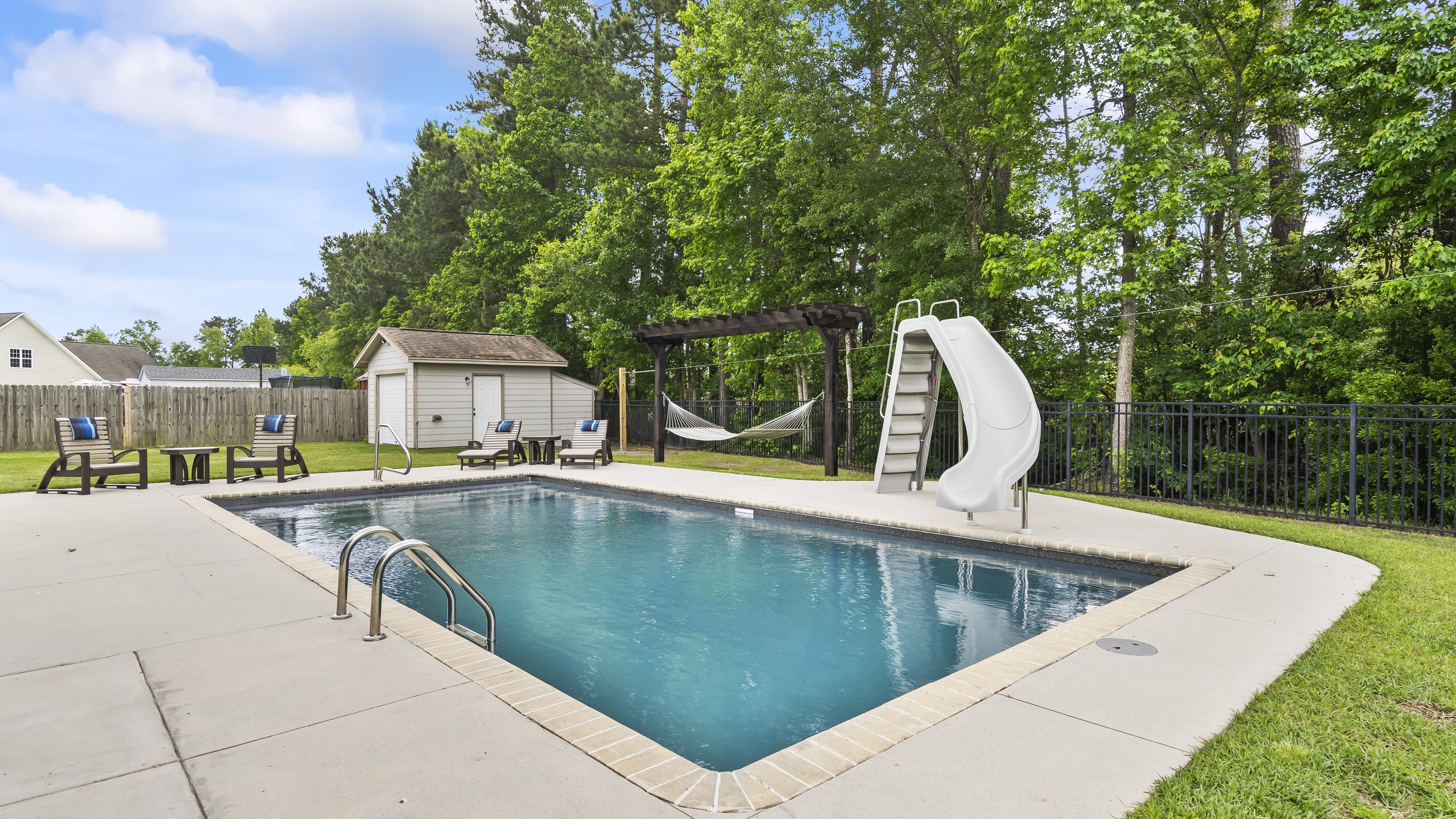
Underneath all that blue water is a system you're buying right along with the house. There's plumbing, a pump, a filter, electrical equipment, a sanitation system, and possibly a heater, lights, automation and water features. Then there's the pool itself, whether it's gunite, fiberglass or vinyl liner, and every type comes with its own aging process and maintenance needs.
None of that is a reason not to buy it.
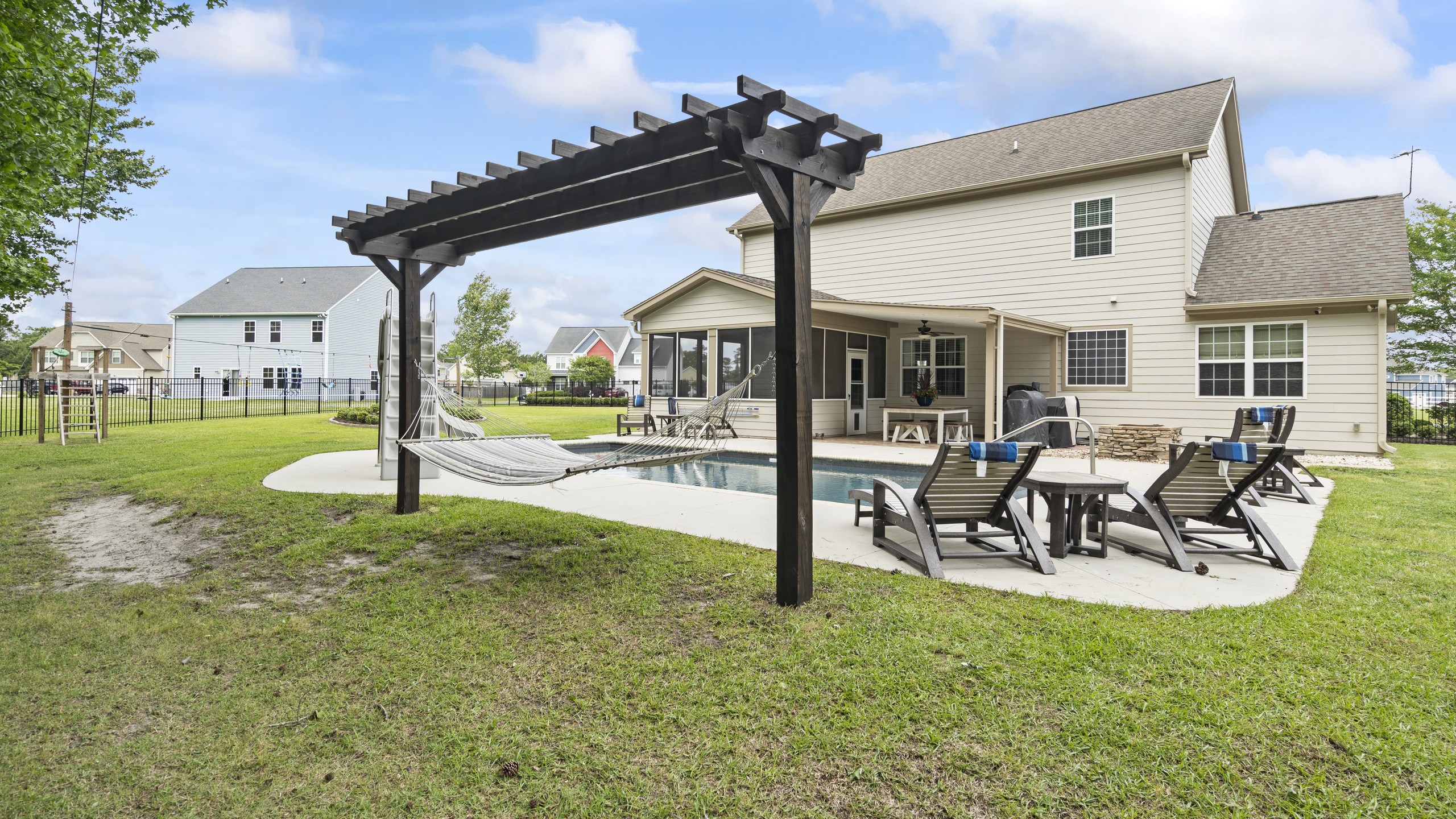
It's simply a reason to know what you're buying.
First Question: What Kind of Pool Is This?
A pool isn't just a pool.
If I'm looking at a vinyl-liner pool, I want to know how old the liner is and whether it's ever been replaced. A liner can look perfectly fine today and still be approaching the point where replacement needs to be part of the budget.
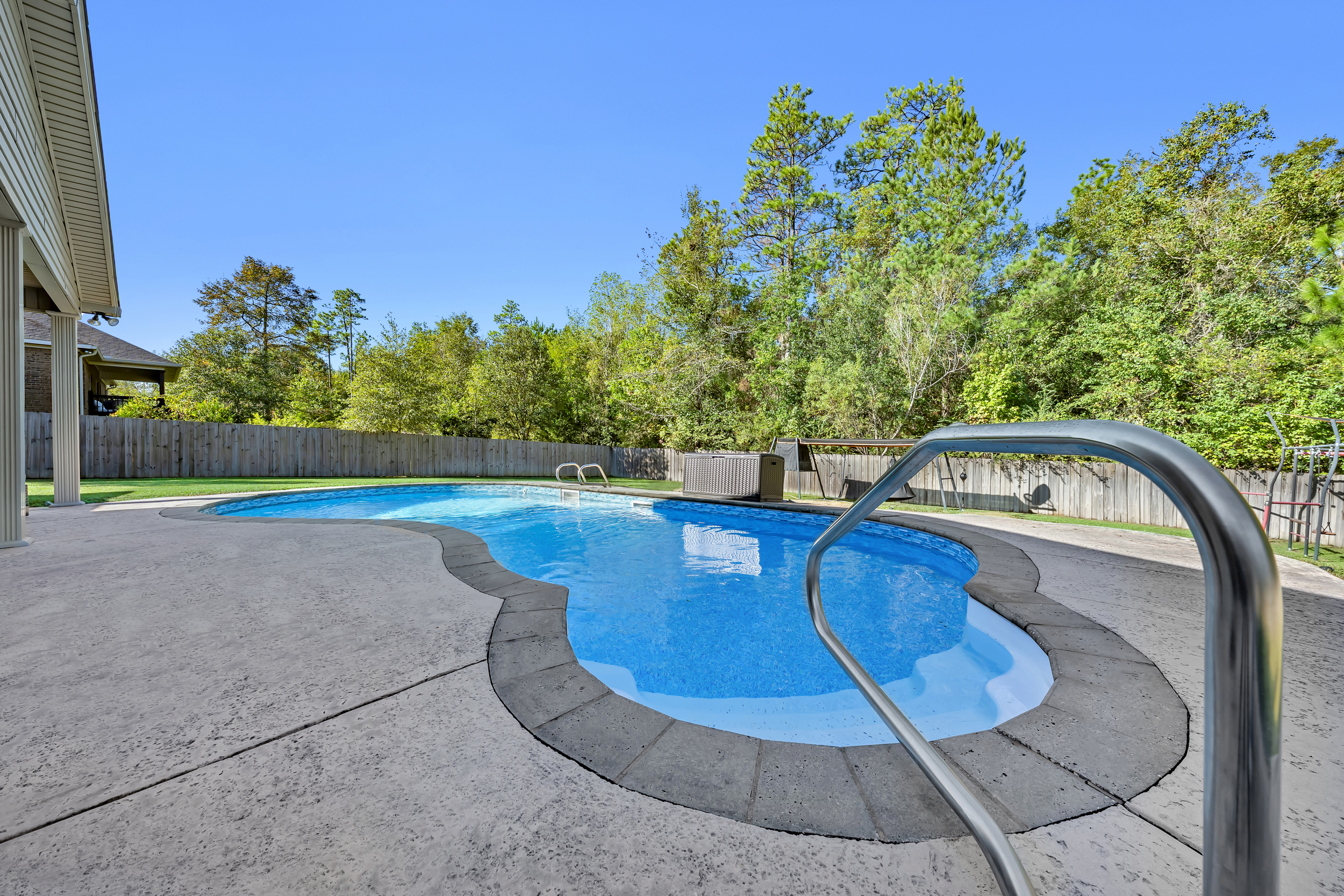
If I'm looking at gunite, I'm interested in the condition of the surface. Has it ever been resurfaced? Are there cracks or areas of deterioration? Does the finish look like it's been cared for, or are we looking at years of deferred maintenance?
Fiberglass brings its own questions about the shell, the finish and the installation.
I also want to know when the pool was installed and, if the seller knows, who built it. If there have been major repairs over the years, I want to know about those too.
That history matters.
I'd rather buy an older pool that's been consistently maintained than a newer one somebody ignored.
Pools are a lot like houses that way.
I'd Have the Pool Inspected
This isn't where I'd save a few dollars.
A general home inspection is important, but that doesn't necessarily mean your home inspector is doing a detailed evaluation of the swimming pool and all of its equipment. Some inspectors offer a separate pool inspection. In other cases, I'd rather have a pool professional look at it.
What I want is somebody who knows what they're looking at and can tell me whether the pool appears to be operating the way it should.
I want the pump running. I want the filtration system evaluated. I want the visible plumbing looked at. If there's a heater, I want to know whether it heats. If there are lights, I want the lights tested. If the pool has automation, water features or other equipment, I want to know whether those systems work too.
I'm not expecting an inspection to guarantee that a pump will never fail. It can't.
I own houses. I know better than to believe anything mechanical comes with a promise not to break the minute you become responsible for paying for it.
What I'm trying to avoid is inheriting a problem that already existed and could have been identified before closing.
That's a very different thing.
The Equipment Pad May Tell You More Than the Pool Itself
When most buyers walk into a backyard, they're looking at the pool.
I'm eventually going to wander over to the equipment.
It isn't nearly as pretty, but that's where a lot of your future money lives.
I want to know how old the pump is, what type of filter the pool has, and whether the major equipment has been replaced over the years. If there's a heater, I want to know its age and condition. If there's automation, I want to know whether it works.
And if it's saltwater, which is my personal preference, I want to know about the salt system.
One of the misconceptions about saltwater pools is that they don't use chlorine. They do. The salt system simply generates the chlorine the pool needs from salt dissolved in the water.
I prefer the experience of a saltwater pool, but salt systems aren't magical or maintenance-free. The cell eventually wears out. The water still has to be properly balanced. The equipment still needs attention.
That doesn't bother me.
I just want to know whether I'm buying a relatively new system or something that may be nearing the end of its useful life.
There's nothing wrong with buying a house that will eventually need a pool pump or a salt cell.
There's something wrong with being surprised by it because nobody bothered to ask.
Find Out Who Has Been Taking Care of It
One of the simplest questions you can ask the seller is also one of the most useful:
Who maintains the pool?
Our current house already had a pool company when we bought it. The previous owner used them, and we simply kept them.
There was a real advantage to that. They already knew the pool. They knew the equipment. They knew its quirks. They knew what had been serviced before we owned the house.
If the seller uses a pool company, ask who it is. If they have invoices or maintenance records, even better.
If they maintain the pool themselves, that's perfectly fine too. I still want to know what their routine has been and whether there have been any significant repairs.
You aren't interrogating the seller about their chlorine habits.
You're trying to understand the history of a system you're about to own.
Pay Attention to Everything Around the Water
A pool can be in excellent condition while the area around it needs attention.
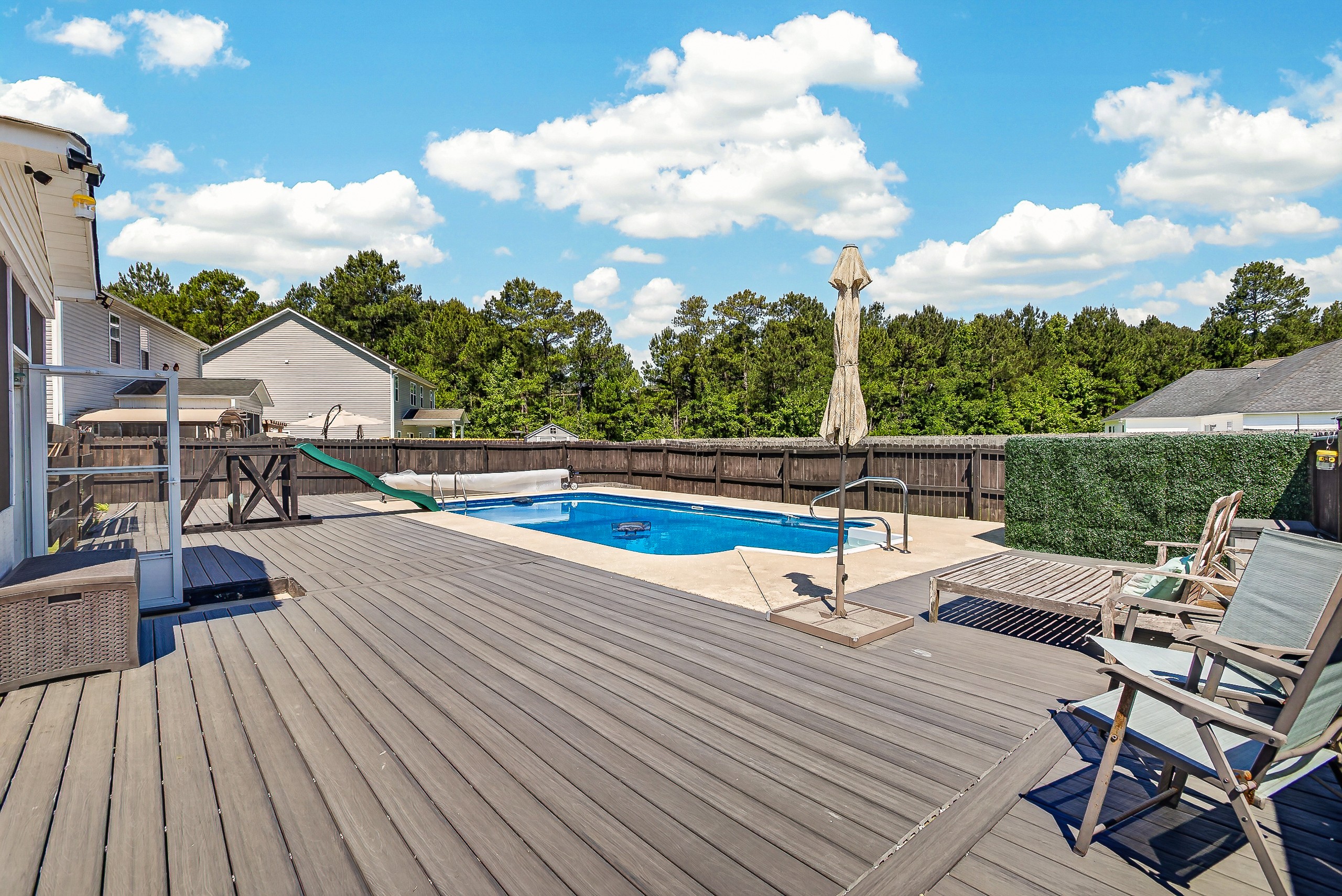
Look at the decking and coping. Pay attention to cracks, loose areas and places that have settled.
Then look at drainage.
This matters in South Alabama.
We can get an enormous amount of rain in a very short period of time, and I want to know where that water goes. I want to understand how the yard drains and whether water tends to collect around the pool or the house.
Look up, too.
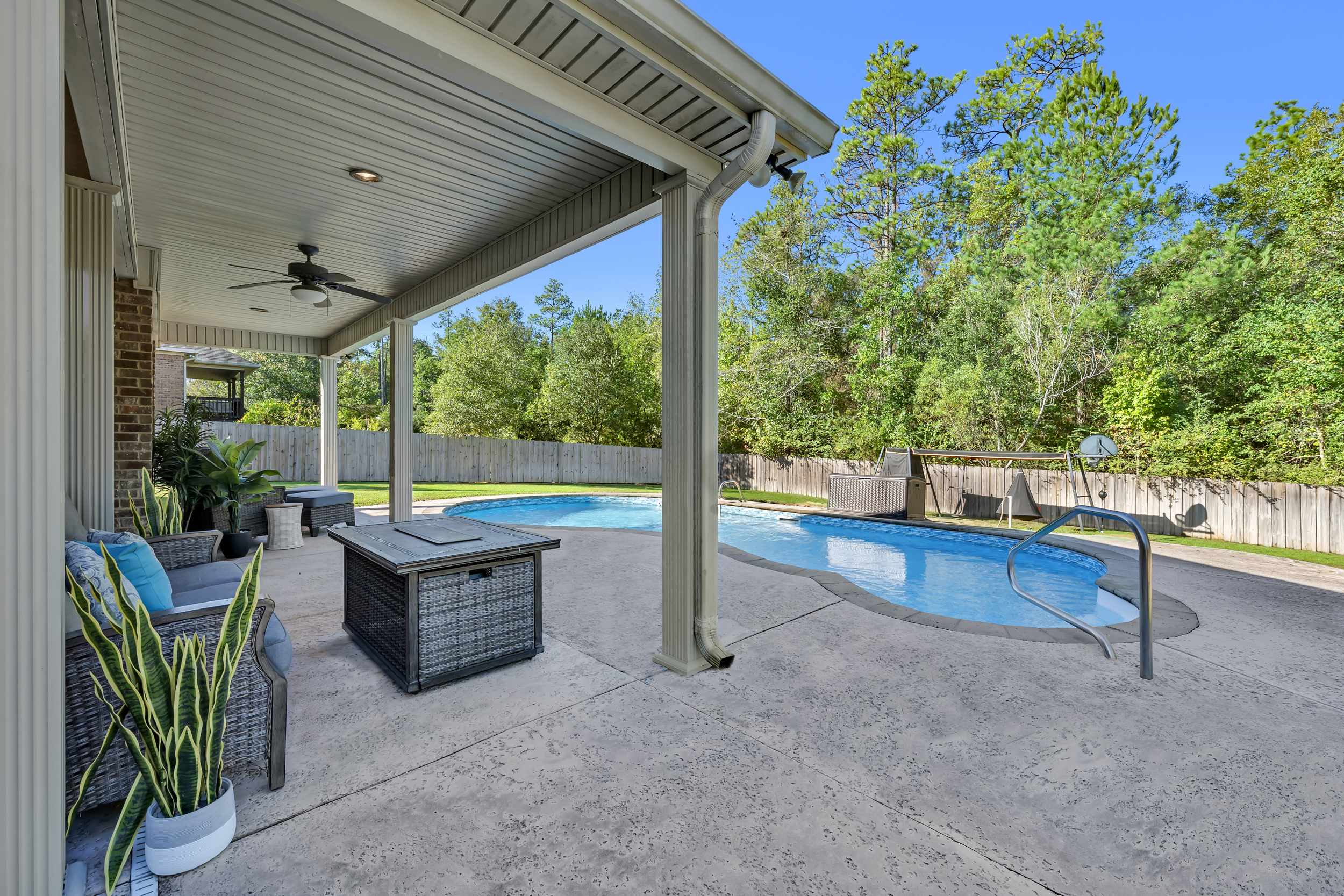
A gorgeous mature tree hanging over a swimming pool can make a backyard beautiful.
That same tree can also spend six months of the year personally introducing you to every leaf it owns.
That wouldn't necessarily stop me from buying the house, but I like knowing what kind of relationship I'm about to have with my skimmer.
The Pool Needs to Fit the Way You Live
This is something I understand better because we've both inherited pools and built our own.
When you build a pool, you get to design it around the way you actually live.
You decide where the steps go. You choose the depth. You decide whether you want a tanning ledge, benches, water features or a certain amount of deck space. You decide how the pool relates to the porch, the house and the rest of the backyard.
When you buy a house with a pool, someone else has already made every one of those decisions.
Sometimes you walk into the backyard and think they nailed it.
Sometimes you spend the next several years wondering why anybody thought that was the logical place to put the steps.
But there's a pretty wonderful upside to buying someone else's pool.
It already exists.
There's no construction equipment in your yard. No dirt everywhere. No waiting. No choosing finishes. No writing increasingly painful checks while somebody digs an enormous hole behind your house.
You can close on Tuesday and swim on Wednesday.
There's a lot to be said for that.
Know What It Costs to Own Before You Fall in Love With It
Pools cost money.
I still love mine.
Both things can be true.
You'll have electricity to run the equipment. You'll have chemicals and water testing. If you pay someone to maintain it, you'll have a service bill. A heated pool adds another operating expense.
Then there are the things that don't happen every month but eventually happen to every pool owner.
Costs to plan for
- Electricity to run the equipment
- Chemicals and water testing
- Professional service, if you use it
- Heating, for a heated pool
- Pump, salt cell and heater repairs
- Liner replacement or gunite resurfacing
Pumps wear out. Salt cells wear out. Heaters need repairs. Vinyl liners have to be replaced. Gunite pools eventually need resurfacing. Filters need service.
A well-maintained pool doesn't necessarily require constant expensive repairs, but it isn't a free amenity sitting in the backyard either.
If the seller is willing to share what they typically spend on maintenance or professional service, that can give you a useful starting point.
Call Your Insurance Company Before Closing
Before closing, I'd also talk to your homeowners insurance company.
Tell them the property has a pool. Tell them if there's a diving board or slide. Make sure they understand the fencing and other relevant features, and ask whether any of it changes your premium, coverage or liability requirements.
Again, none of this means you should be afraid of buying the pool.
It means you should know what owning it looks like before it becomes yours.
Safety Is Part of Pool Ownership
This is the part I take very seriously.
One of the reasons I've loved raising my son with a pool is that I believe water confidence is important when you live where we live. Kids in South Alabama grow up around pools, rivers, bays, boats, creeks and the Gulf.
Learning to swim is a safety skill.
But knowing how to swim doesn't eliminate the need for supervision or proper barriers around a pool.
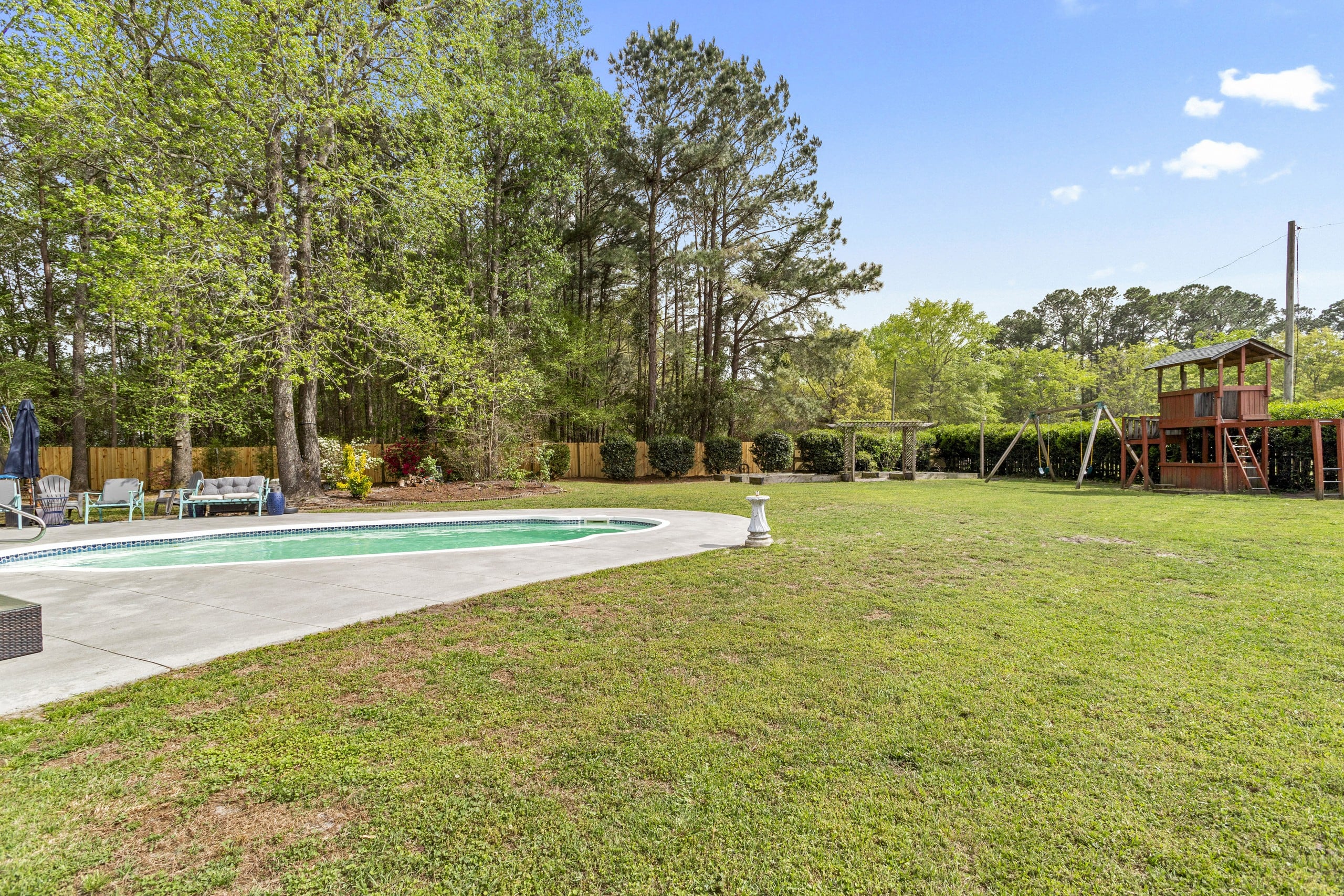
When I'm looking at a house with a pool, I want to think about how someone gets from inside the home to the water. Are there gates? How does the fence work? Can a young child walk straight out a door and reach the pool? If young children will live in or visit the home, would it need additional alarms, locks or another layer of protection?
Those questions are every bit as important as asking how old the pump is.
A pool can be an incredible part of life at home while still deserving a tremendous amount of respect.
Those ideas aren't in conflict.
Don't Let a Beautiful Pool Sell You the Wrong House
This may be the advice I most need to follow myself.
I'm extremely susceptible to a good backyard.
Give me a pretty pool, some palm trees, a covered porch and a place to put the grill, and I can overlook a shocking number of questionable interior design decisions.
But the house still has to work.
The location still has to work.
The floor plan has to work.
The price has to make sense.
The condition of the house matters.
A swimming pool can make the right house even better. It can't turn the wrong house into the right one.
That's especially important because pools are emotional. You walk outside and immediately picture the summer evenings, the friends coming over and the cannonballs.
That vision has value. It's one of the reasons people buy houses.
Just make sure you're buying the whole property and not only the backyard.
Now, if we've narrowed it down to two houses that both make sense and one has a beautiful, well-maintained swimming pool?
I make no promises about my impartiality.
I'd Absolutely Buy Another House With a Pool
After owning several of them, I know more about what I'd ask the next time.
I know clear water doesn't tell me everything I need to know.
I know I want an inspection.
I want to understand the type of pool, the age of the equipment, how it's been maintained and what expenses may be coming.
I want to talk to the insurance company.
I want to understand how the pool fits the property and how safely it fits the people who will live there.
Then, if those things check out, I'm not afraid of buying someone else's pool.
In fact, I see a pretty significant upside.
Someone else already paid to build it.
Someone else already survived the construction.
If you're looking at a house with a pool, me and my team are happy to walk through these questions with you before you're under contract.
Let's look at the pool before you're under contract.
And when you get the keys, one of the best parts of living in South Alabama may already be sitting in the backyard waiting on you.
Talk With Our Team About Buying in South AlabamaCheck out this article next