Bear Run · Saraland
Buying a New D.R. Horton Home? Here Are the Inspections I'd Get Before and After Closing
Brand new and independently inspected aren't the same thing. Here's the inspection schedule I'd want.
- Before drywall
- Ask whether D.R. Horton allows it
- Before closing
- Full independent inspection
- Orientation
- D.R. Horton's homeowner walkthrough
- Re-walk
- Verify the agreed repairs
- Month eleven
- Inspect before the first-year warranty ends
One of the strangest things I hear from new construction buyers is, "It's brand new. Why would I need a home inspection?"
Because brand new and independently inspected aren't the same thing.
A new home goes through building inspections during construction. A FORTIFIED Gold home has additional documentation tied to the FORTIFIED standard. D.R. Horton has its own construction supervision and quality-control process. All of that matters. None of it is the same as hiring an inspector whose only job is to look at the house on your behalf.
If I were buying a new D.R. Horton home in Bear Run, there are several inspection opportunities I'd want to understand before signing the contract, because the timing matters almost as much as the inspection itself. And if the home isn't finished yet, there's one opportunity in particular you can't get back later.
If the House Is Early Enough, Ask About a Pre-Drywall Inspection
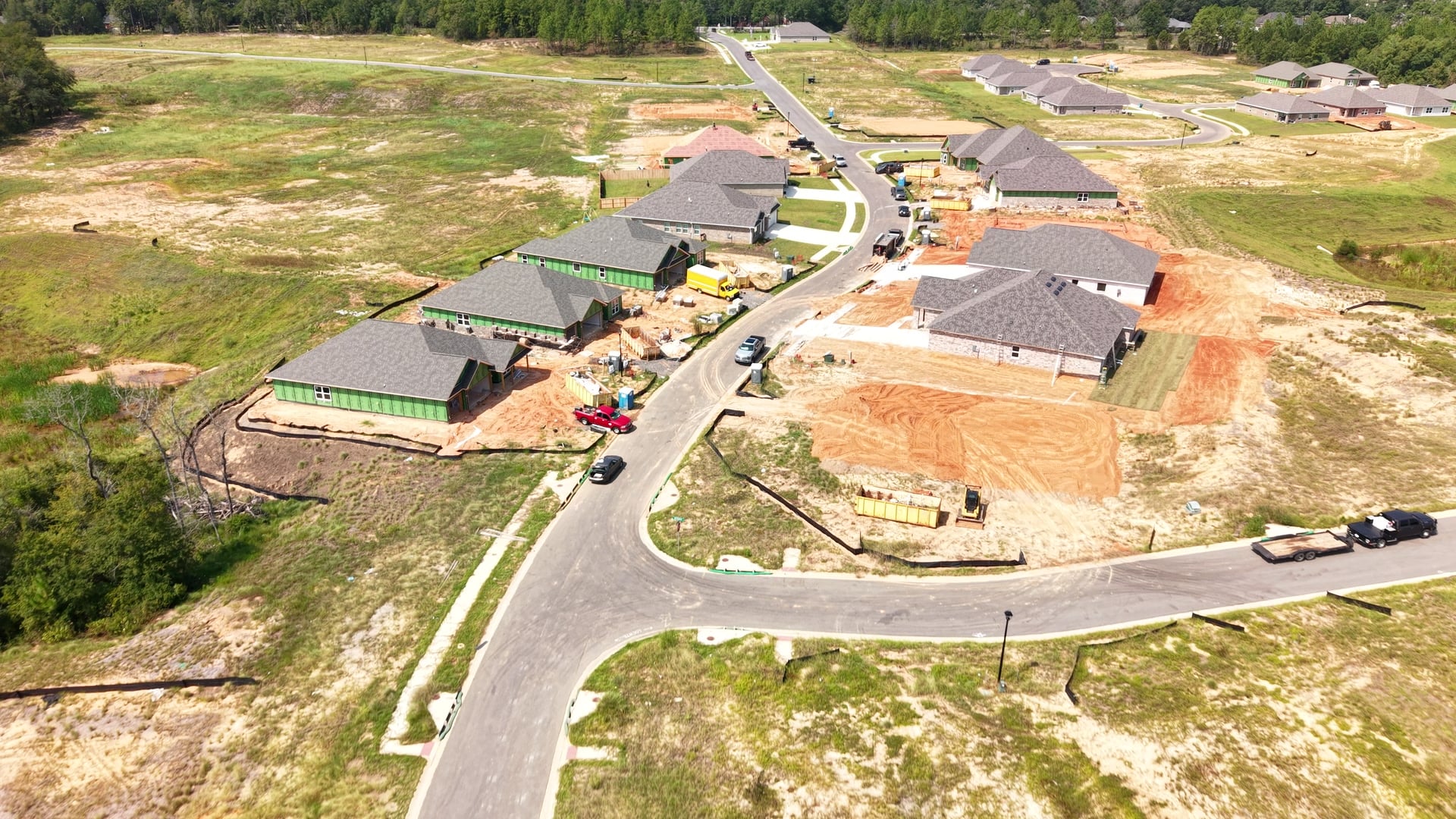
A pre-drywall inspection happens at one of the most revealing stages of construction. The house is framed. Most of the rough plumbing, electrical and air conditioning work is installed. The structure is still visible, and the drywall isn't up yet.
Once the walls are closed, a tremendous amount of the house disappears from view. That's why, when the construction stage and the builder's policies allow it, I like a pre-drywall inspection.
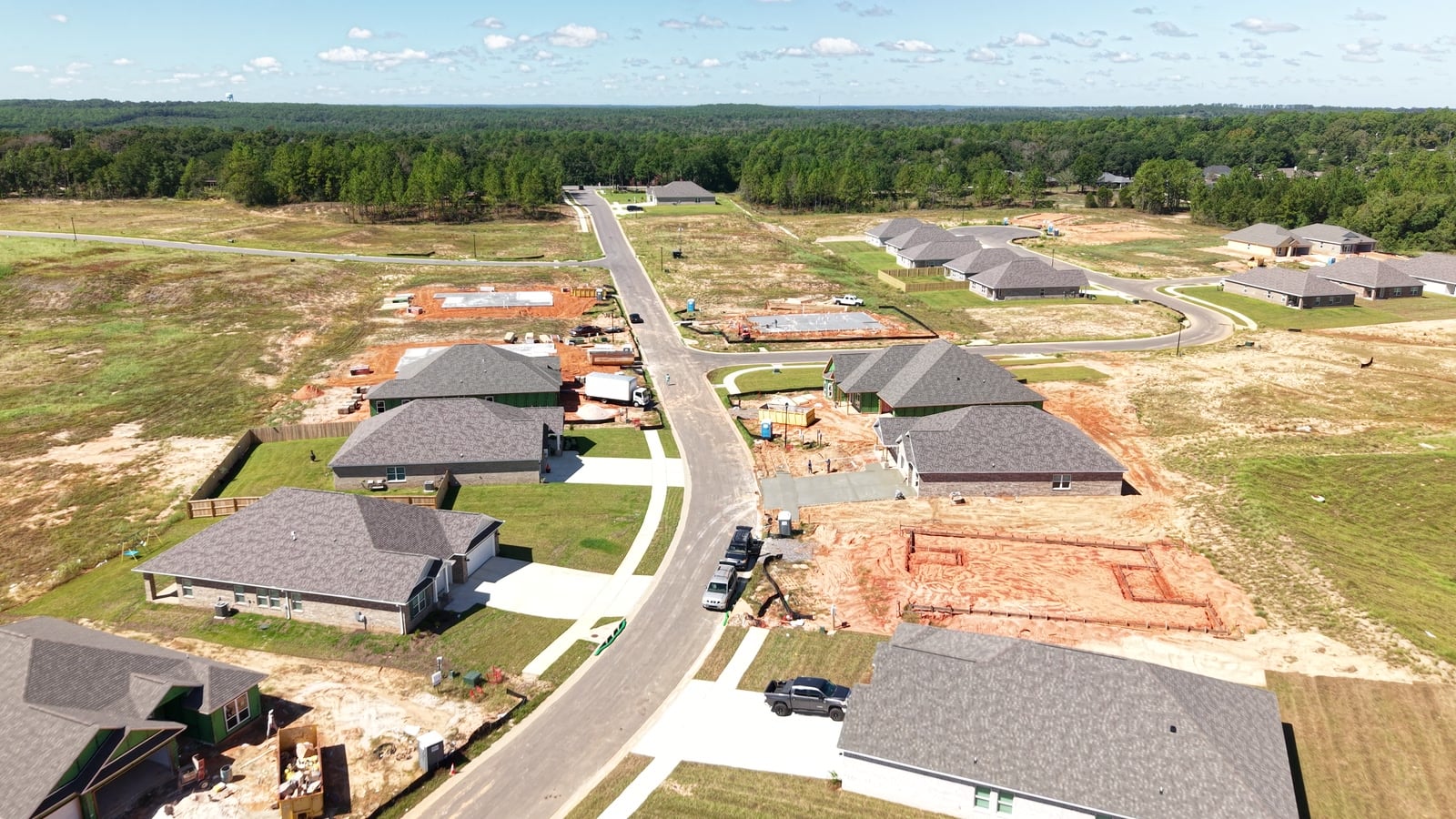
This isn't about having an inspector admire the lumber. It's the chance to look at things that will soon be out of reach: visible framing and structural connections, plumbing runs, electrical rough-in, air conditioning components, holes cut through the framing, window and door installation, and the details that keep water out, all before insulation and drywall cover them. If something is clearly wrong behind a wall, I'd much rather find it while there's no wall.
That's also why this conversation needs to happen when you first go under contract, not two weeks before closing when someone suddenly remembers inspections.
Builders, and even different divisions of the same builder, can have different rules about letting third parties onto an active construction site. There may be scheduling requirements, insurance requirements for the inspector, limits on where the inspector can go, and a narrow window when the inspection can happen. So if you're buying a Bear Run home early in the build, one of the first questions we need answered is: does the builder allow a buyer's independent pre-drywall inspection on this home, and if so, what are the requirements?
If the answer is yes, it goes on the calendar right away. There's no "we'll do it later." Once the drywall is up, later is too late.
A Code Inspection Isn't Your Home Inspection
New homes go through required government inspections during construction. Inspectors check various stages of the work for compliance with building codes before construction moves forward. That's an important system.
But a building inspector isn't performing a buyer's home inspection. A code inspection is generally answering one question: does the work being inspected meet code? Your home inspector is answering a different one: what condition is this house in, as a complete property you're about to own? The goals are related, but they aren't interchangeable.
I'd never tell a buyer, "The city inspected it, so you don't need to." It's like a car that passed a state safety inspection. You'd still want a mechanic to look at it before you bought it. They're answering different questions.
FORTIFIED Gold Doesn't Replace Your Inspection Either
This matters in Bear Run, because D.R. Horton says the homes receive FORTIFIED Gold certification. I think that's a real advantage of the community.
But a FORTIFIED evaluation looks at whether the home meets the requirements of the FORTIFIED program. Your home inspector looks at a much broader set of things that affect you as the owner. A home can meet every requirement for its FORTIFIED designation and still have an electrical issue, a plumbing leak, an air conditioning problem, a door that doesn't close right, a faulty appliance, poor drainage, or any number of defects that have nothing to do with FORTIFIED.
So I wouldn't trade one for the other. I want the FORTIFIED Gold documentation, and I want your inspection.
The Inspection Before Closing Is the One I Wouldn't Skip
Whether the home was built for you or you're buying one of D.R. Horton's finished homes, I want an independent inspection before closing, as long as the contract and the builder's access rules allow it. And I want an inspector who's comfortable with new construction.
That matters. An inspector who mostly looks at thirty-year-old resale homes is trained to look for wear, age and systems near the end of their life. A good new construction inspector also has to look at installation. Was it installed correctly? Was it finished? Does it work properly? Was something damaged during construction, or is something missing? Was a part installed in a way that creates another problem? Did one trade accidentally damage another trade's work?
That last one happens because building a house isn't one event. It's a sequence of trades. The framer, the plumber, the electrician and the air conditioning contractor each do their work. Then insulation goes in, drywall goes up, and the trim carpenters, cabinet installers, painters and flooring crews follow. Appliances get installed, and the landscaping and grading are finished. Dozens of people may touch that house before you get the keys. Most of them can do excellent work and someone can still miss something.
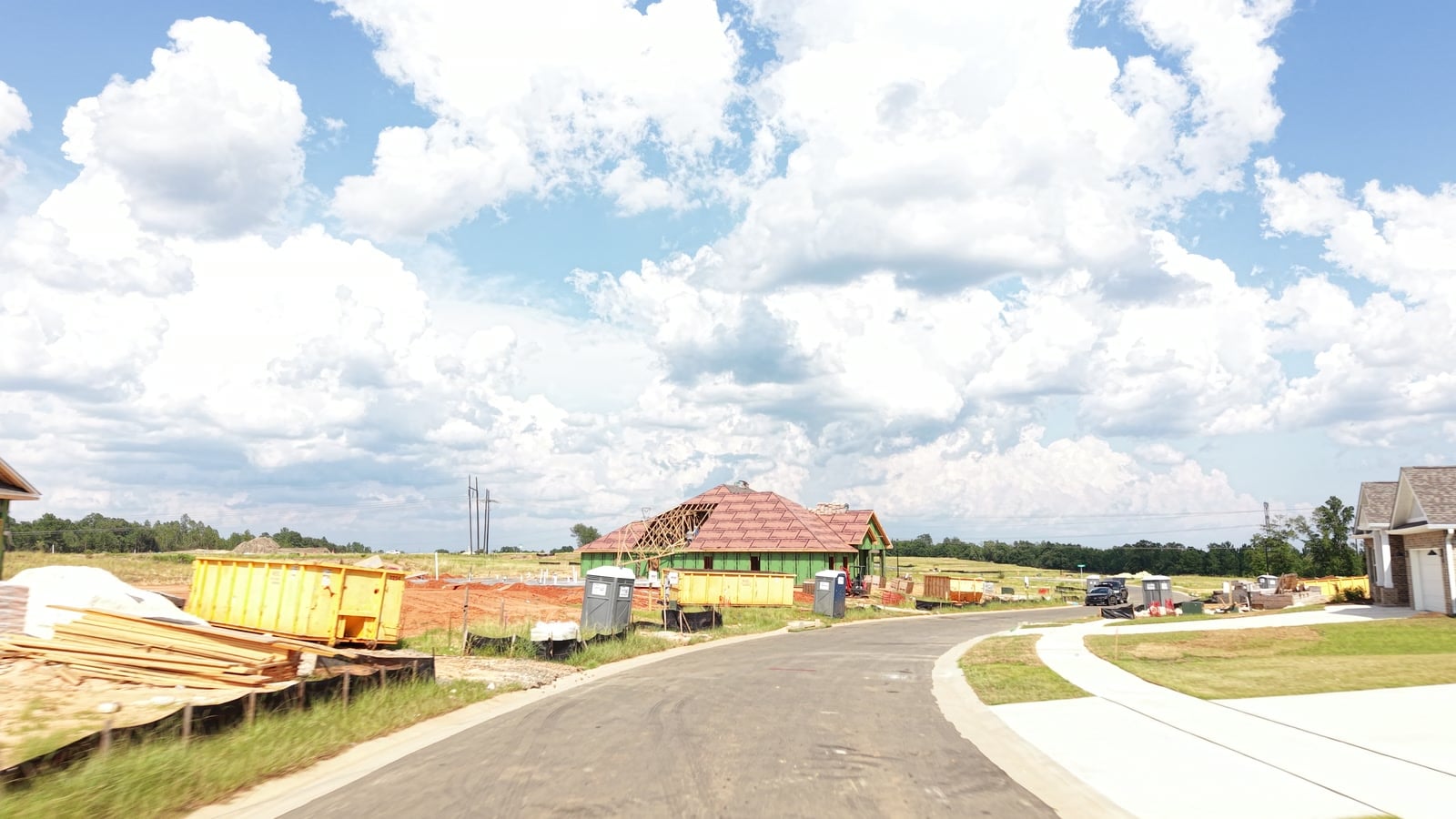
That isn't a criticism of D.R. Horton. That's construction.
I Want More Than a Cosmetic Punch List
Another mistake buyers make is confusing the builder's walkthrough with a home inspection. The walkthrough matters. But if all we're doing is putting blue tape on a paint blemish and noting a cabinet door that needs adjusting, we're looking at the least expensive things in the house.
Before closing, I want the independent inspector looking at the house, not just the finishes. That can include the accessible electrical system and outlets, plumbing fixtures and visible plumbing, the water heater, how the air conditioning runs, accessible attic areas where permitted, visible insulation, windows and exterior doors, appliances, the roof and exterior where the builder's rules allow access, and the grading, drainage and general operation of the home's systems.
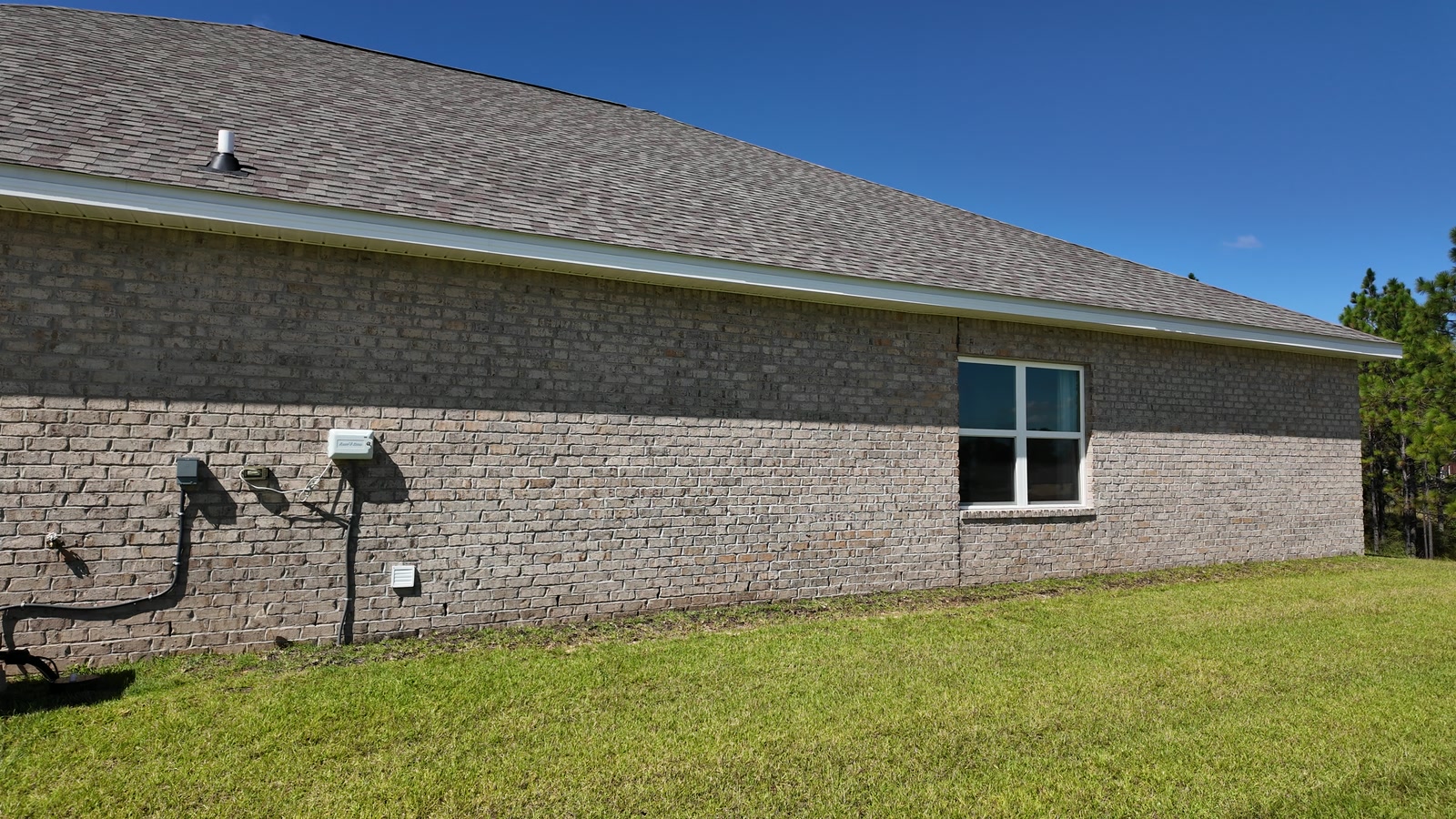
One of the first things I care about outside a new house is water. Where does it go when it rains? Fresh sod makes everything look beautiful on closing day. That doesn't mean we stop looking at the grade around the foundation, the drainage paths, the downspouts and where the water is being sent. Water is incredibly good at finding the mistakes people make when building houses. I want us to find them first.
Then We Take the Report Back to the Builder
This is where new construction experience matters. The point of the inspection isn't to hand the builder a seventy-page report and demand that every sentence in it be fixed.
Home inspectors document what they observe. Builders work from contracts, construction standards, building requirements, manufacturer instructions and their own warranty standards. Those worlds overlap, but they aren't the same.
Our job is to take the inspection findings, figure out which issues actually matter, and get the right items in front of the builder while we still have the leverage of an upcoming closing. A missing outlet cover and an active plumbing leak don't deserve the same attention. Neither do a tiny paint touch-up and a drainage problem. I want to know what matters, and then I want it addressed.
Take the Builder's Orientation Seriously
D.R. Horton will have its own orientation or walkthrough before closing. Take it seriously. This is when you learn how the house works and point out visible items that need attention.
Don't rush through it because you're excited. Open and close the doors, windows and cabinets. Run the faucets, showers and appliances. Look up at the ceilings, down at the floors, and walk the outside. Check the countertops, tubs and finished surfaces. Take notes and ask questions.
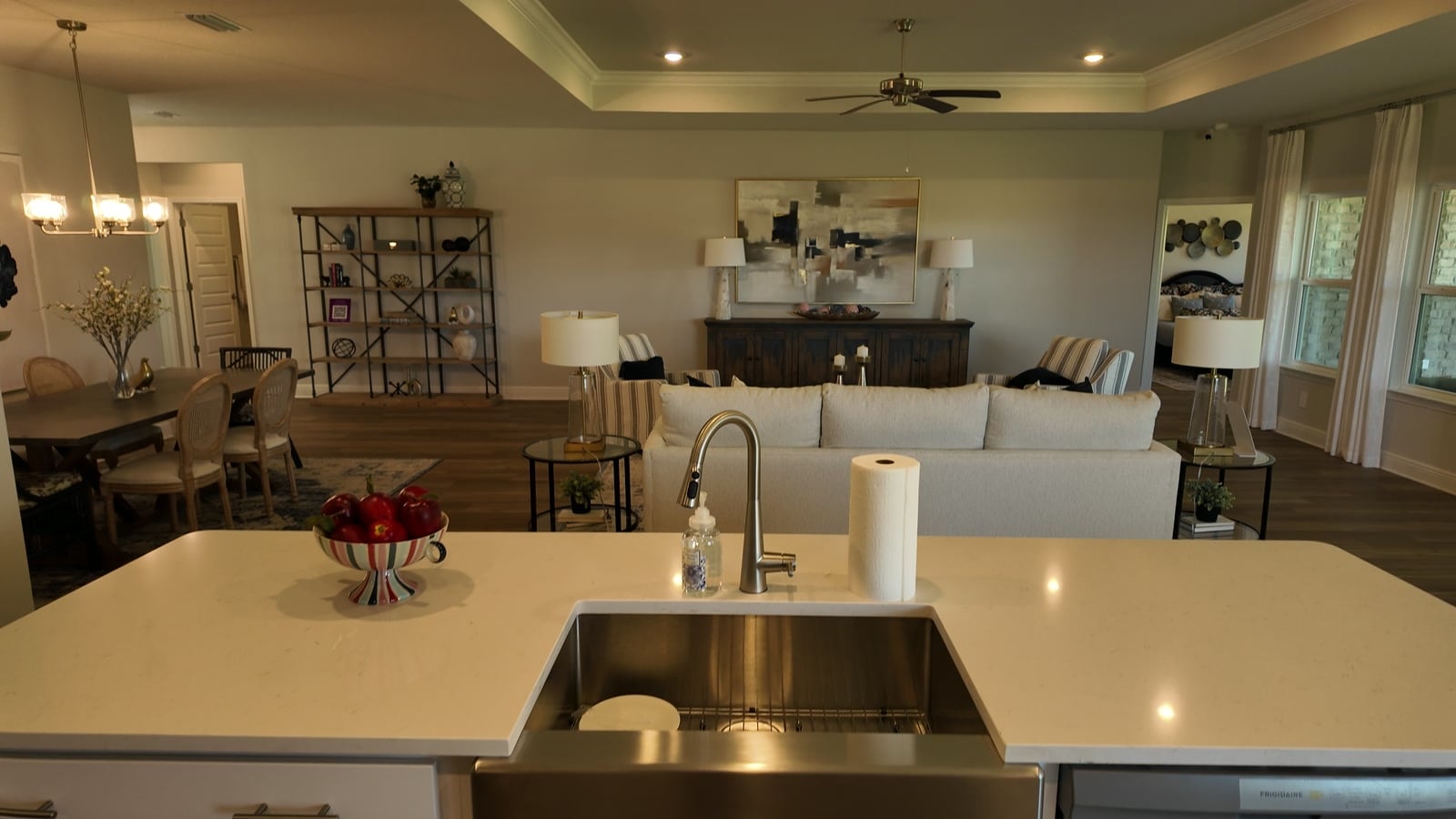
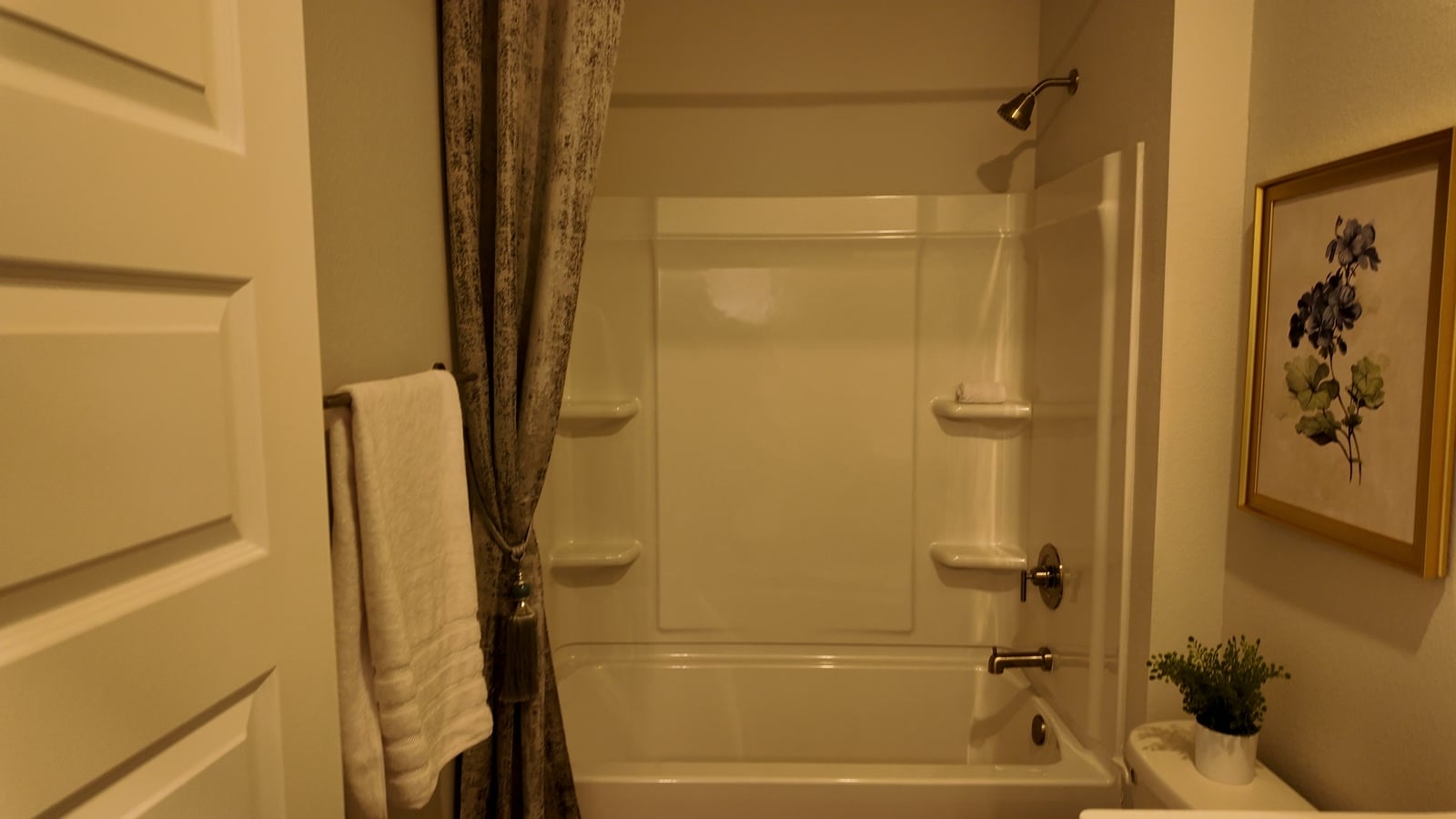
Make sure you know where the water shutoff is, how the electrical panel is labeled and how the air conditioning controls work. Ask about the warranties, how to submit a service request, and what maintenance the builder expects from you. You're about to own a fairly complicated collection of systems, and this is your chance to learn them while the people who built the house are standing right there.
Then One More Walkthrough Before We Close
If the inspection or the orientation turned up items that were supposed to be corrected, I don't want to assume they were fixed because someone said so. We check them again, especially anything significant.
If something can't be finished before closing and the contract allows it to stay open, I want it documented clearly. Verbal promises make terrible real estate records. We put things in writing.
The Inspection Almost Every New Construction Buyer Forgets
The house should get another serious look before the builder's first-year warranty period ends. People often call this an eleven-month inspection, and I think it's one of the smartest inspections you can buy on a new home.
By then, you've actually lived in the house. It's been through a season of weather. The air conditioning has run through real heat. The soil around the house has taken some heavy rain. The plumbing has been used every day, the doors and windows have been opened hundreds of times, and the house has gone through its normal drying and settling.
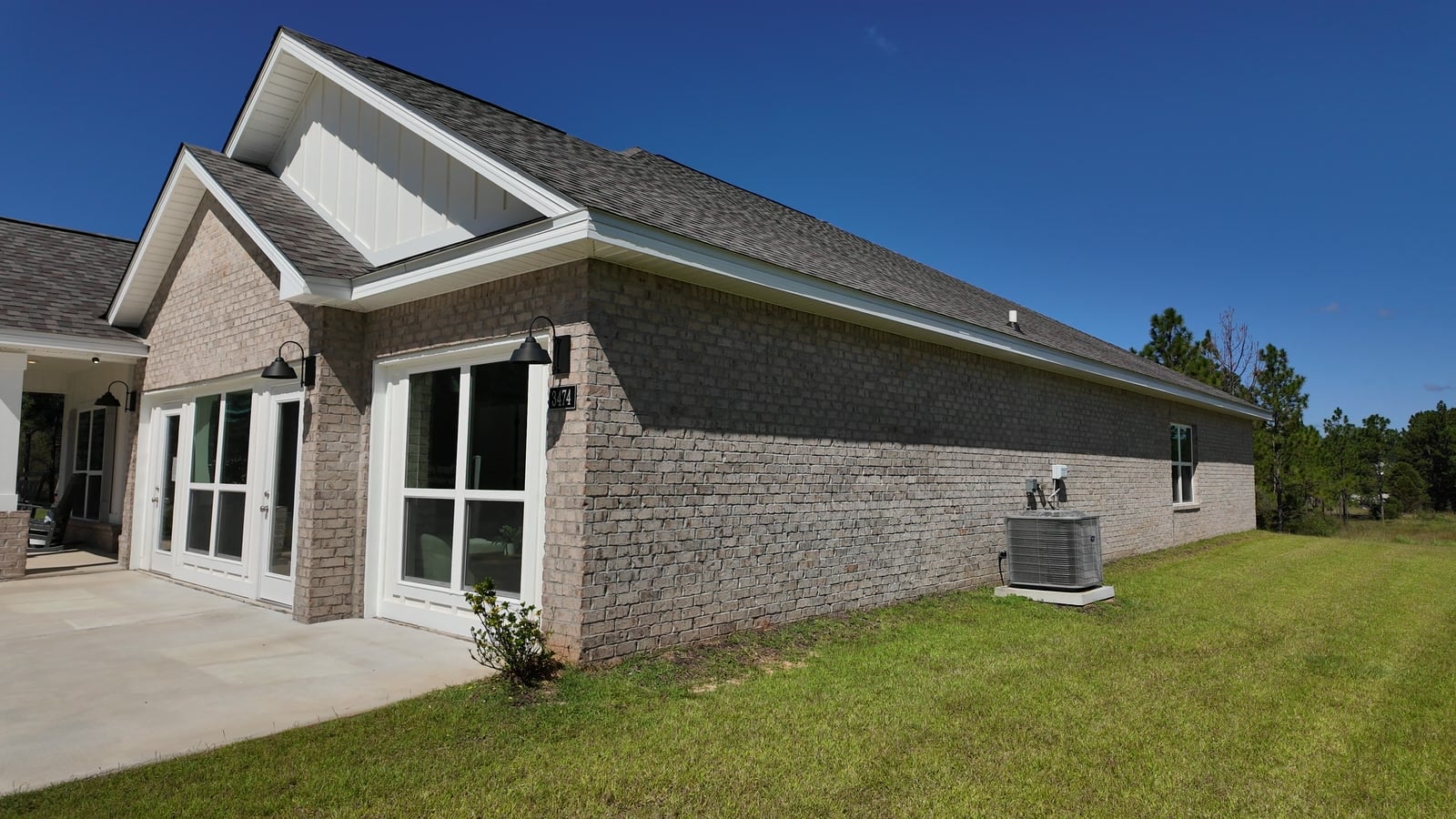
Things that were impossible to see before closing can show up in that first year: a drywall crack that keeps coming back, a door that no longer closes right, a drainage issue after a big storm, an air conditioning problem that doesn't appear until the first truly hot week, or a plumbing issue that only shows itself after months of normal use.
Before the warranty deadline, I like having an inspector go through the house again. That gives you a professional set of observations while you can still submit eligible warranty items. Just don't schedule it for day 364. Give yourself time to get the report, understand it, and submit what needs to be submitted under the builder's warranty process.
What About Sewer Scopes, Thermal Imaging and Other Specialty Inspections?
I don't believe in ordering tests just because they're on a home inspection menu. I want the inspection plan to fit the property.
If there's a reason to recommend a sewer scope, we'll talk about it. If your inspector uses thermal imaging, it can help spot temperature differences worth a closer look, but it isn't X-ray vision, and it can't see through every wall. If there's a concern with the air conditioning, electrical, plumbing, roof, drainage or another specialized system, the right next step may be having a licensed contractor or specialist evaluate it.
The goal isn't to see how many inspections we can order. It's to understand the house before you own the problem.
The Inspection Schedule I'd Want for a Bear Run Buyer
The schedule at a glance
- Pre-drywall inspection, if D.R. Horton allows it
- Full independent inspection before closing
- D.R. Horton's homeowner orientation
- Re-walk to verify agreed items
- Warranties and FORTIFIED documents organized
- Eleven-month inspection before the warranty ends
If you're buying early enough in construction, we first find out whether D.R. Horton currently allows an independent pre-drywall inspection in its Mobile division and what the access requirements are. If it's available, I'd strongly consider it.
Before closing, I want a full independent home inspection by someone who understands new construction. Then we take part fully in D.R. Horton's homeowner orientation and make sure cosmetic and unfinished items are documented. Before closing, we verify that the important agreed-upon items were actually addressed.
Once you own the home, keep your warranties and FORTIFIED documentation organized, and pay attention to how the house performs. Then, before the first-year warranty period ends, I'd strongly consider an eleven-month inspection.
That isn't because I expect the house to be bad. It's because I expect you to own it for a long time. There's an important difference.
New Construction Shouldn't Mean "Figure It Out Yourself"
One reason buyers like new construction is that it feels simpler. There's no seller living in the house and fewer questions about what happened to it fifteen years ago. The systems, the roof and the finishes are all new, and there's a builder warranty. All of that is attractive.
But new construction has its own process, contracts, deadlines, inspections, builder incentives, lender considerations and warranty procedures. You aren't buying a finished product off a shelf. You may be buying a house that's still somewhere in the construction process, from a company that builds homes every day. The builder knows that process extremely well. Most buyers don't.
That's one of the biggest reasons I believe buyers benefit from having someone on their side who understands new construction. Me and my team aren't there to make the builder's job difficult. A good transaction doesn't need manufactured conflict. We're there to know which questions to ask and when to ask them, keep up with the deadlines, help you understand what you're seeing, make sure the right things are documented, and help you separate what's cosmetic from what actually deserves attention.
Let's walk the house before you close.
There's a lot to like about buying a brand-new FORTIFIED Gold home in Bear Run. But "brand new" should never mean "don't look closely." To me, it means exactly the opposite. If you're buying a house no one has ever lived in, I want to make sure it starts its life with you the way it should.
Talk With Our Team About Buying in Bear RunCheck out this article next