New Construction
Do You Need an Agent for New Construction in Alabama?
From Kelli Salter · Camellia Real Estate Group, brokered by eXp Realty
The model home is beautiful and the builder's team is ready to help. Here's why you still want someone in that building whose job is to look out for you.
Watch: Do you need an agent for new construction in Alabama?
Prefer YouTube? Watch the original video in a new tab.
Before you walk into a new construction model home in South Alabama, ask yourself one question: who in this building is being paid to tell you not to buy the house? Unless you brought your own agent, the answer is probably nobody.
That isn't a criticism of the people in the model home. The salesperson may be fantastic. They likely know the builder's floor plans, available homes, incentives and construction process better than anyone. But they're there to sell the builder's homes. The builder has a team, a contract, a lender relationship and a sales process. You need someone whose job is to look at the decision from your side of the table.
That's why I believe anyone considering new construction in South Alabama should have their own agent involved before they start touring model homes. Not to open the door. The door is already open. You need someone because buying new construction involves a lot more than choosing a floor plan.
New construction feels easy, and that's when buyers let their guard down
Buying new is a very different experience from buying a resale home. There's no seller living there and no showing appointment. You aren't trying to picture the house without someone else's furniture. You walk into a clean, perfectly staged model, and someone can immediately show you floor plans, available homes, what can be built, current incentives and projected completion dates.
It feels more like shopping than a real estate transaction. That's exactly when buyers forget how many decisions they're making. You aren't just picking a kitchen. You're choosing a house, a lot and a neighborhood. You're deciding how much to spend on upgrades, evaluating financing and signing a contract for something that has to work for your life today and still make sense when you're the seller someday.
Representation means someone will tell you when not to buy
If all a buyer's agent did was unlock doors, I'd understand why a new construction buyer wouldn't think they needed one. That isn't the value. My job is to stand next to you while you're falling in love with a new house and still look at the decision objectively.
Sometimes that means helping you buy exactly the house you walked in wanting. Sometimes it means showing you that another available lot is better, or that another builder's incentive produces stronger numbers. Sometimes it means keeping you from spending thousands of dollars on upgrades that won't matter. And sometimes it means saying, "I know you love this house, but I don't think you should buy this one."
"The value isn't having somebody help you buy a house. The value is having someone willing to tell you when they don't think that you should."
Kelli SalterThe lot can matter just as much as the house
Buyers naturally focus on the house. But say the builder has your exact floor plan available on three different lots in the same neighborhood. Those aren't automatically three equal purchases.
In South Alabama, I pay close attention to how a property handles water. We can get a tremendous amount of rain in a short period of time, so grading, drainage easements, retention areas and where the water is designed to go all matter. I also want to know what's behind the house and what's planned around it, where the utility equipment sits, how the house sits on the lot and what you'll see from the backyard.
If you're paying a lot premium, I want to think about whether a future buyer is likely to value that feature when it's your turn to sell. The kitchen and the giant shower are exciting. The lot feels like background scenery. But you can change a light fixture. You can't move the lot. So let's think about what you can't easily change before we get distracted by what you can.
Builder incentives can be great, but they're a math problem
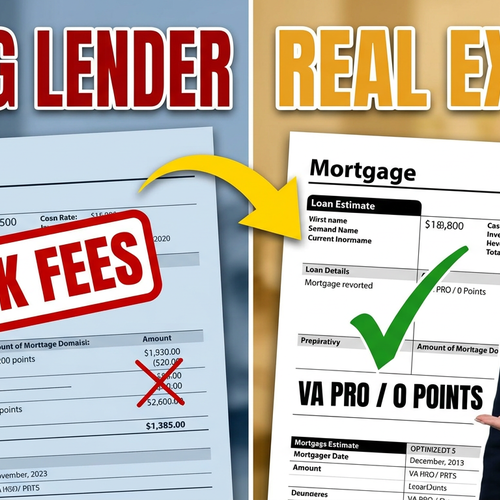
Say the builder is offering $15,000 if you use their preferred lender. That may be a phenomenal deal. I'm not against builder lenders or incentives. I'm in favor of math, because the size of an incentive doesn't, by itself, tell you whether you're getting the best deal.
An incentive might cover closing costs, buy down your interest rate, reduce the cash you bring to closing or create a monthly payment that's hard for another lender to beat. If it does, take the good deal. But evaluate it alongside the rate, the APR, lender fees, points and the other financing options available to you.
I don't care which lender gets the loan. I care whether my buyer gets the strongest overall financial outcome. "They're giving me $15,000" and "this financing package saves me the most money in my situation" are two very different statements.
Upgrades are where the budget gets away from you
Builder upgrades rarely arrive as one big number. It's a few hundred dollars here, a change order there, a couple thousand more over here. Suddenly the house you planned to buy at one price has become meaningfully more expensive.
My advice is simple: pay to upgrade the things that are difficult, disruptive or miserable to change later. Flooring is a good example. You can replace it after closing, but then you're tearing out brand-new flooring you already paid for, moving furniture and disrupting the whole house. If you already know you'll hate the standard flooring, choose the right option from the beginning.
Flooring, structural changes, electrical locations, additional wiring and anything inside the walls. These are much harder to change once the house is finished.
Easier to change laterLight fixtures, faucets, mirrors and hardware. Even countertops can be replaced or upgraded down the road.
That doesn't mean you shouldn't pay for something you love. It means I don't want you spending most of your upgrade budget on easy-to-change items while skipping something you'll regret not doing during construction. Keep resale in mind, too. Some upgrades improve the house, and some improve how much you enjoy it. Both are legitimate reasons to spend money. Just don't confuse the two.
Understand the builder's contract before you sign it
New construction contracts can be very different from what buyers expect in a resale transaction. A builder's contract is designed around that builder's process. That isn't inherently bad, but you should understand the agreement before you sign it. It can address deposits, financing requirements, timelines, selections, change orders during construction, inspections, walkthroughs and closing.
Your agent should help you understand how the transaction works and point out provisions that affect your decisions. If something requires legal interpretation, that's a conversation for an attorney. A real estate agent should never act as your attorney. The goal is for you to sign with your eyes open, because knowingly agreeing to a term is very different from finding out later that you agreed to something you didn't understand.
Yes, inspect the brand-new house
New means new. It doesn't mean perfect. A new house may have had dozens of people working on it: framers, electricians, plumbers, HVAC contractors, roofers, drywall crews, painters and flooring installers. They're human, and things get missed. That doesn't automatically mean you have a bad builder. It means the house was built by people.
That's why I want an independent inspector whose only job that day is to look at the house for you, and I want a good one. Saving a couple hundred dollars on the cheapest inspector you can find makes no sense when you're spending hundreds of thousands of dollars on the home.
In Alabama, helping you isn't the same as representing you
This is a distinction every buyer should understand. In Alabama, a real estate licensee can assist you with a transaction without serving as your agent or advocate. A buyer agency relationship is established in writing.
So don't assume that because someone is answering your questions, showing you properties, being friendly and helping you move forward, they're automatically on your side of the table. Know who represents whom. I don't just want you to have someone helping with the transaction. I want you to have your own representation.
Before you rely on anyone's advice, ask them to explain your working relationship and put any agency agreement in writing. If you have a legal question about a contract or agreement, consult an attorney.
Call your agent before you tour model homes
Please don't wait until you've already chosen the house. Different builders have different policies about when and how a buyer's agent needs to be involved or registered with the buyer, and the problem is easy to avoid: call us first.
That doesn't mean your agent has to follow you through every model home on every Saturday afternoon. Go look, browse and have fun figuring out what you like. Just involve your agent from the beginning so we understand the builder's process, your representation is protected and someone is helping you compare what you're seeing before decisions are already made.
Before you visit a model home
- Talk with your own agent first, and ask how the builder handles buyer's agent registration
- Compare lots, not just floor plans: drainage, easements, what's behind and around the home, and any lot premium
- Run the numbers on incentives: rate, APR, lender fees, points and cash to close, compared with other lenders
- Prioritize upgrades that are hard to change later, and watch the running total
- Read the builder's contract before signing, and bring legal questions to an attorney
- Hire a good independent home inspector, even on a brand-new home
The builder has made buying a new house pretty easy. What you need help with is deciding whether this house, on this lot, with these upgrades, using this financing, under these terms, is the right decision for your next step. That's a completely different job. The builder should have people looking out for the builder's interests, and you should have someone looking out for yours.
Bring your own agent to the model home.
You don't need to know which builder, which neighborhood or even whether new construction is right for you. We'll help you evaluate builders, communities, lots, incentives, financing and the homes themselves. If the right move is to buy, we'll help you move forward with confidence. If there's a better option, we'll tell you that, too.