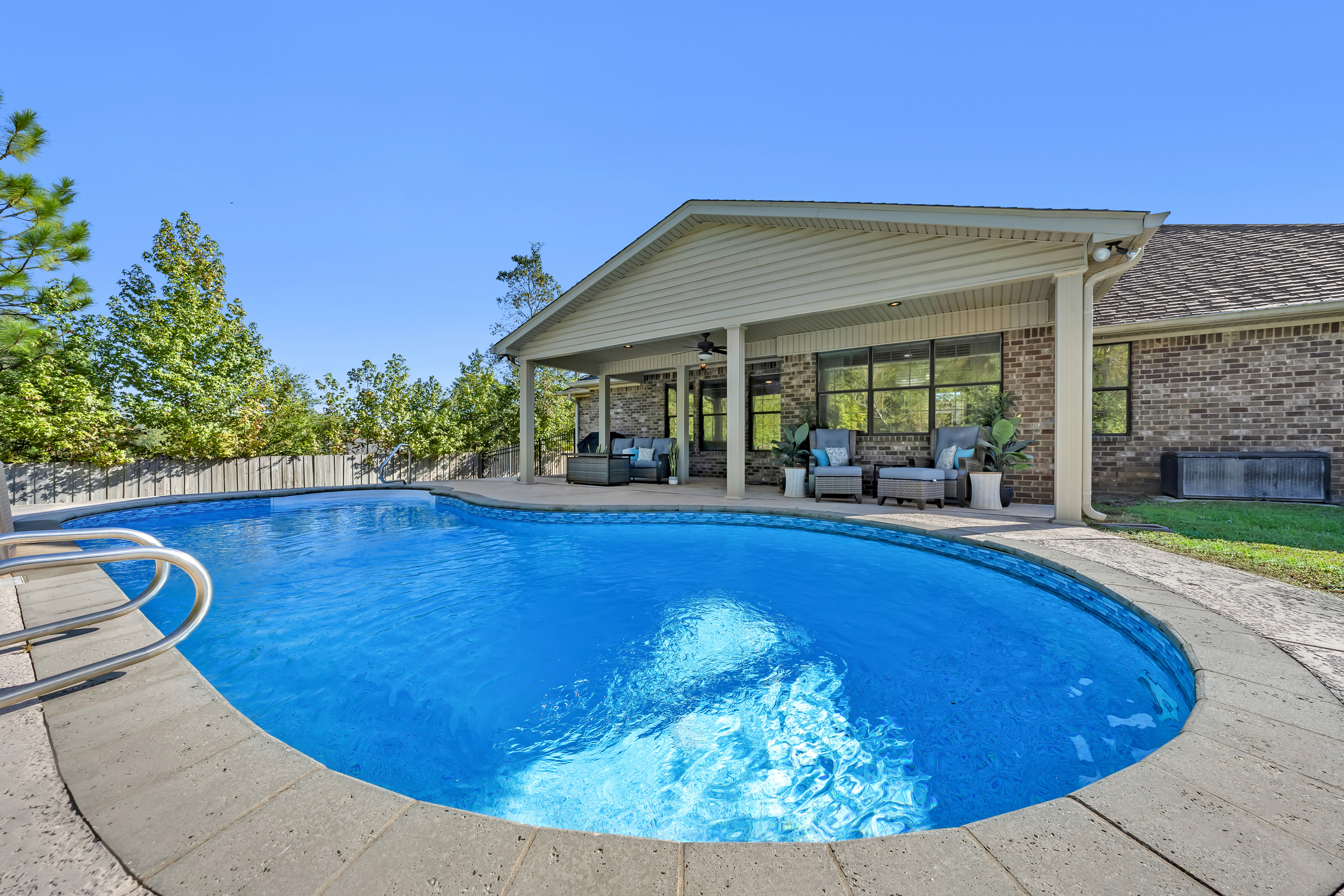
Pools · South Alabama
Saltwater vs. Chlorine Pools in South Alabama: I've Had Both, and I'd Choose Saltwater Again
I've had both, and I'd choose saltwater again. Here's why, and why it's not the first thing I'd check.
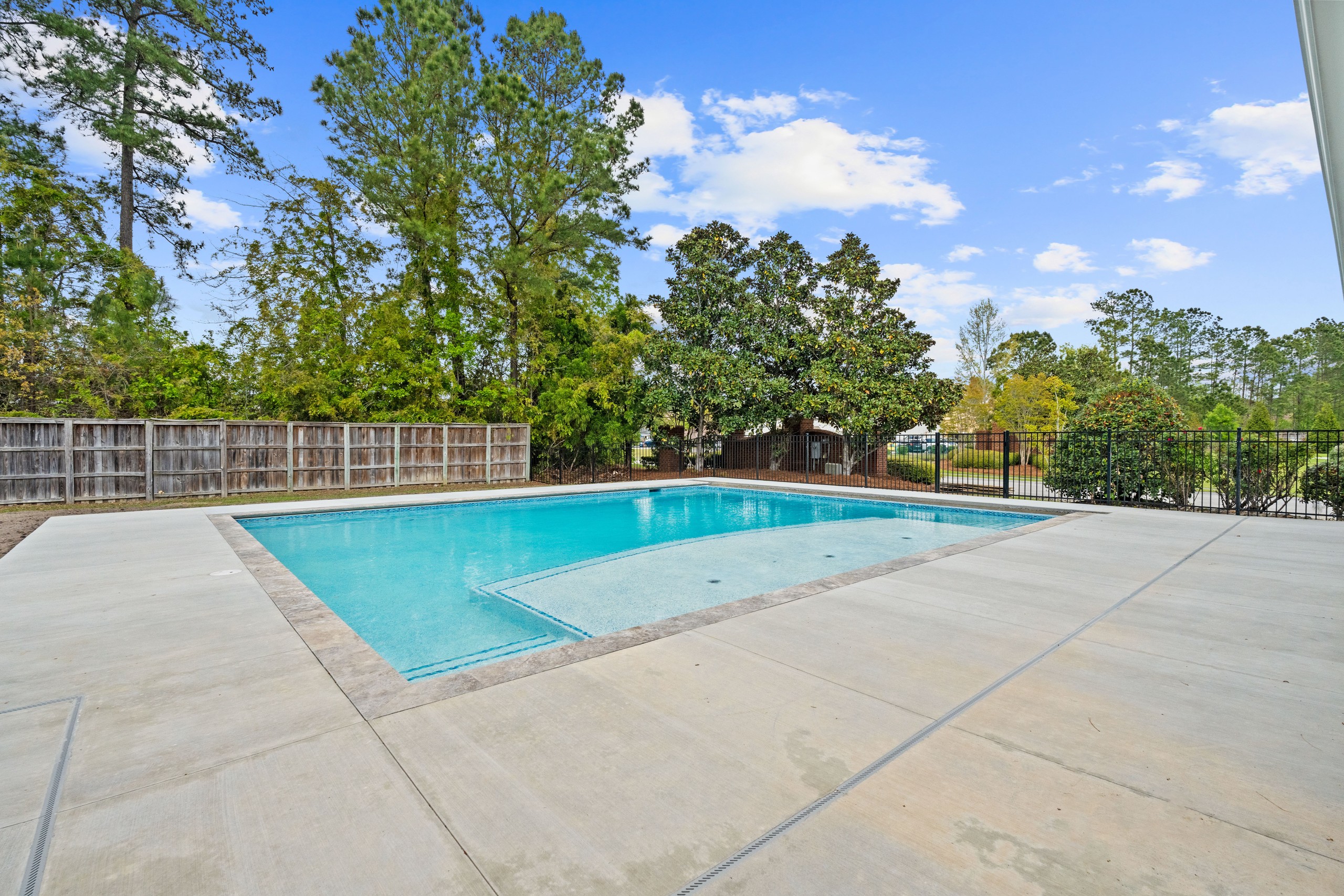
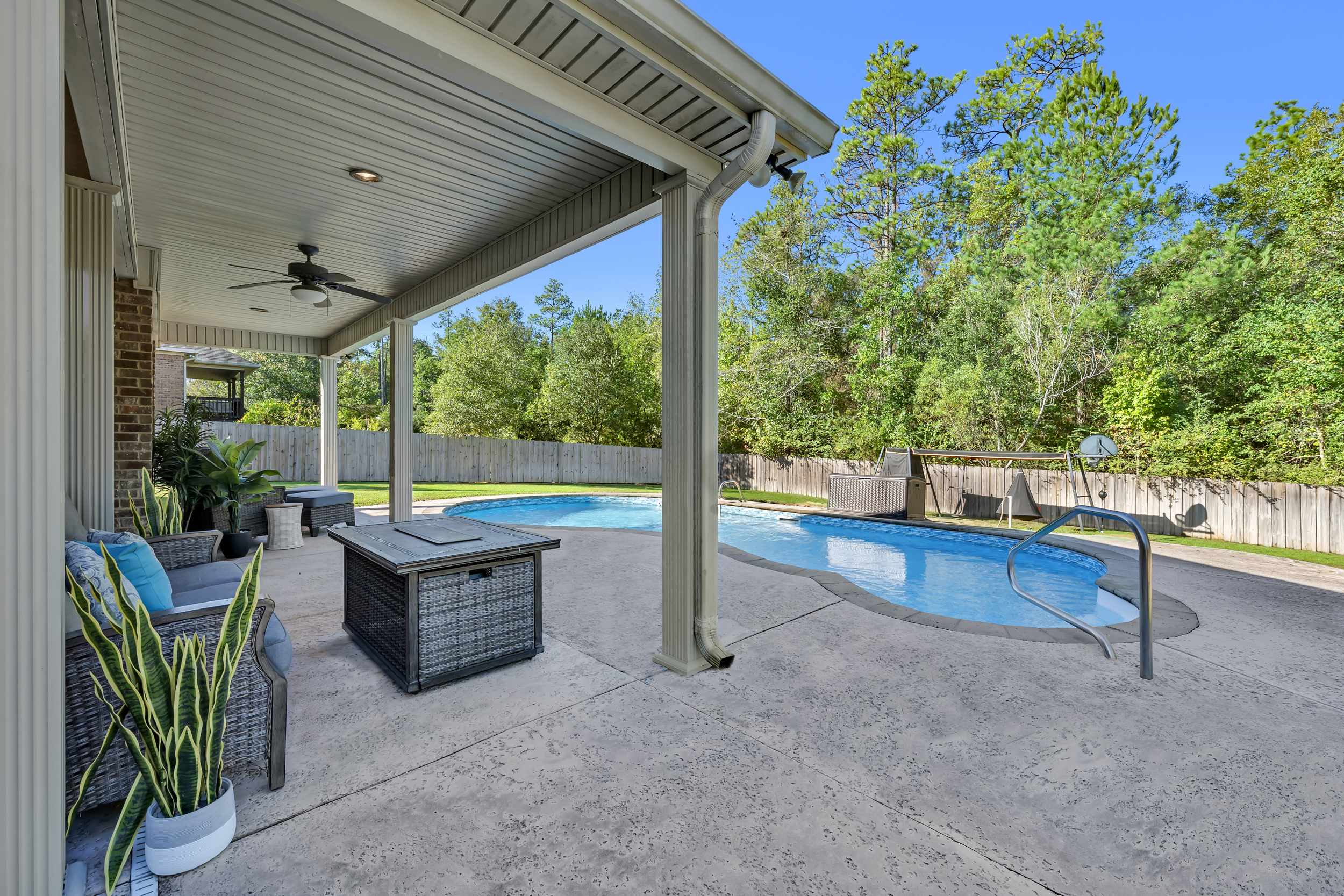
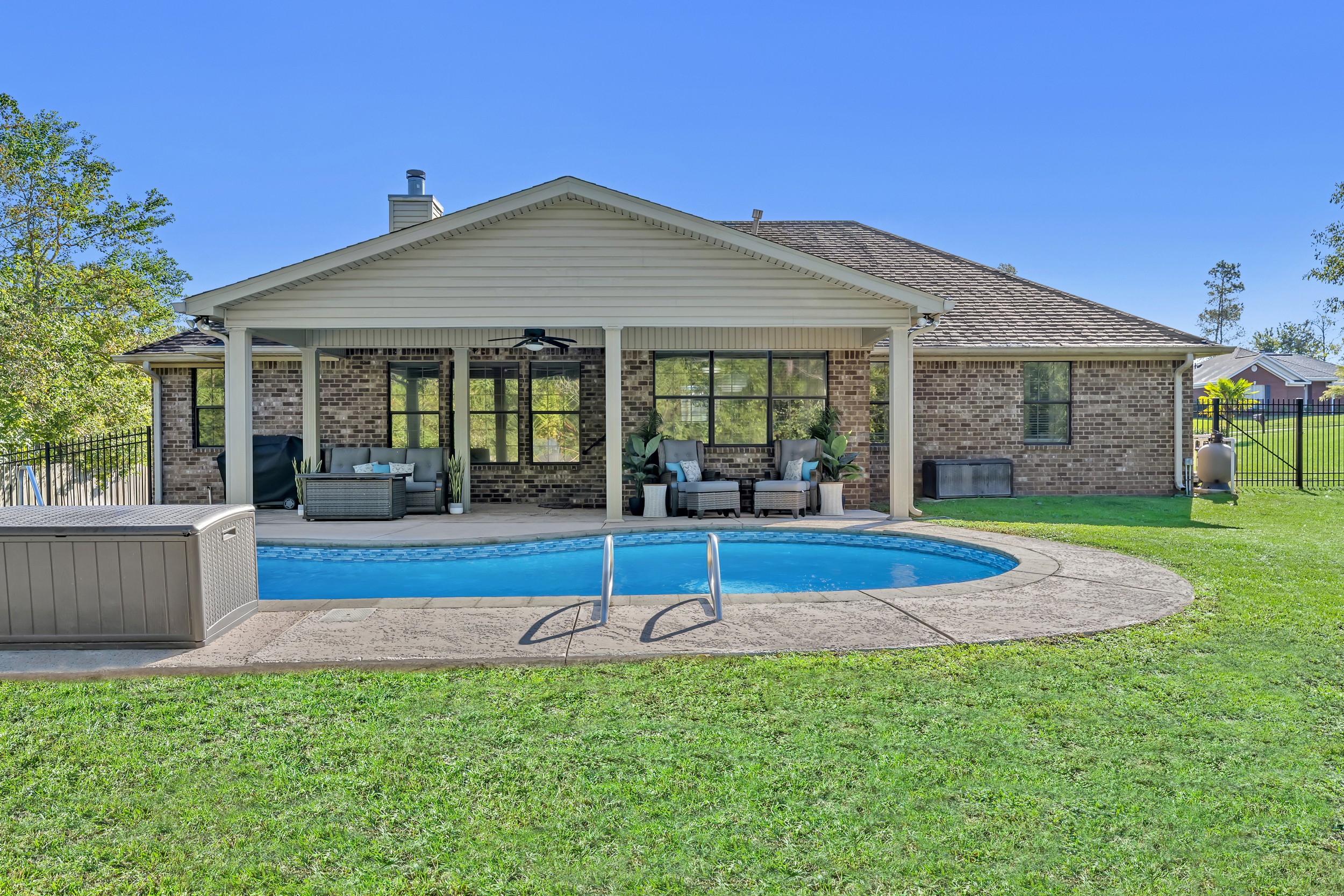
- Saltwater
- Still uses chlorine
- Salt cell
- Wears out eventually
- Chlorine
- Simpler, no cell to replace
- Watch for
- Salt and some materials
- Kelli's pick
- Saltwater
I've owned both traditional chlorine pools and saltwater pools, and if I were building another pool tomorrow, I'd choose saltwater.
Not because saltwater pools are maintenance-free. They aren't. Not because chlorine pools are somehow outdated or inferior. They aren't. And certainly not because saltwater means there's no chlorine involved, because that's one of the biggest misconceptions about them.
I'd choose saltwater because, after living with both, I simply like owning one better.
That's probably the most useful place to start, because pool people can get surprisingly passionate about this subject. You can spend 15 minutes online and find someone prepared to defend either system as if the future of civilization depends on it.
I don't think it's that serious.
Both systems can keep a pool clean and safe. Both require maintenance. Both can give you years of perfectly good swimming. The better question is which ownership experience fits you.
For me, saltwater wins.
First, a Saltwater Pool Still Uses Chlorine
This surprises a lot of people.
A saltwater pool isn't chlorine-free. It simply produces its chlorine differently.
Instead of relying on you to regularly add chlorine to the water, a salt system uses a chlorine generator to turn the salt dissolved in the pool into the chlorine needed to sanitize it.
That means when you swim in a saltwater pool, you're still swimming in chlorinated water. The system is just making that chlorine for you as part of the circulation process.
I think that distinction matters, because it explains why saltwater ownership feels different without pretending it's magic.
There's still chemistry happening.
You still need the right balance in the water.
You still need a working pump and filter.
You still need someone to pay attention.
The pool has simply automated one important part of the process.
And I'm generally a fan of anything around my house that can competently do its job without requiring me to think about it every day.
What I Like About Saltwater
The first thing is the water itself.
I prefer the way a properly balanced saltwater pool feels. To me, it feels softer and less harsh, and I notice the difference when I get out of the water.
That's subjective. Somebody else may swim in the same pool and not care one way or the other.
I do.
But the bigger advantage for me is consistency.
A traditional chlorine pool is perfectly manageable, but chlorine levels rise and fall as sanitizer is added and then used up. A salt system continually produces chlorine while the equipment is running, which can create a steadier day-to-day experience when the system is sized and maintained correctly.
Now, I should probably disclose that we have our pool professionally maintained.
I'm not personally standing outside three mornings a week checking chlorine production and writing results on a clipboard.
The lady who owned our current house before us already had someone servicing the pool. We kept them, and I've been perfectly happy to let that relationship continue.
My preferred version of pool ownership is one where I notice the water is beautiful, get in it, and leave the science to someone else.
Even with someone else handling the routine maintenance, though, I'd still choose saltwater if I had the choice.
Saltwater Is Easier in Some Ways, but It Isn't Maintenance-Free
This is where I think people get sold a fantasy.
Someone says, "You should do saltwater. You don't have to do anything."
Please don't believe that.
It's still a swimming pool sitting outside in South Alabama.
And South Alabama is going to South Alabama all over it.
We're going to have stretches of brutal heat. We're going to have thunderstorms that drop an absurd amount of rain in an hour. We're going to have weeks when the pollen coats every stationary object in a yellow film. We're going to have leaves, debris, kids, sunscreen and whatever else finds its way into the water.
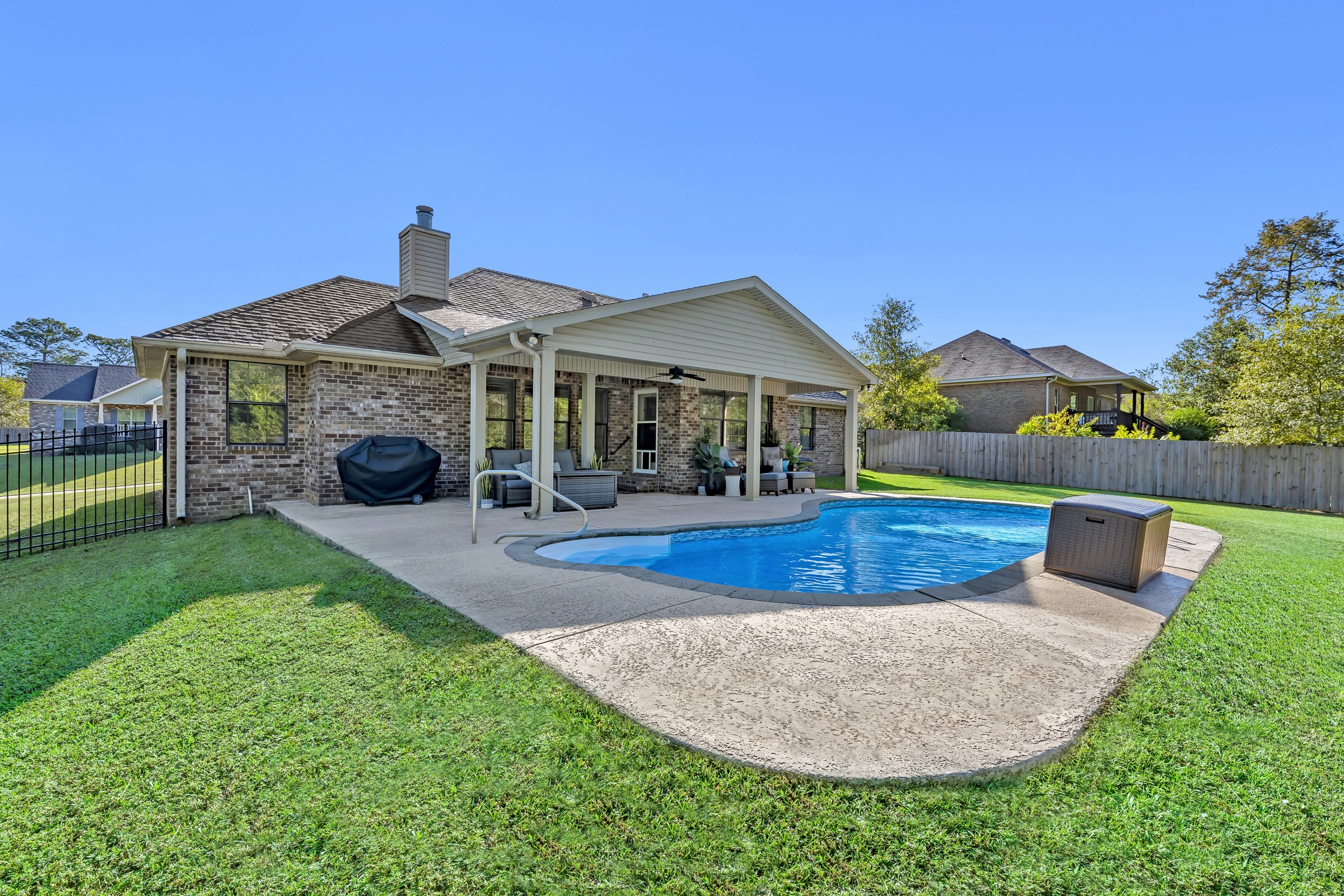
Your salt generator doesn't look at any of that and say, "Don't worry, I've got the whole thing."
The water still needs to be tested and balanced. The filter still has to be maintained. Debris still has to come out. The equipment still has to work.
And the salt system itself has a part that eventually wears out.
The salt cell isn't immortal.
At some point in the life of the system, you're going to replace it.
That doesn't make saltwater a bad choice, any more than replacing an HVAC capacitor means central air conditioning was a bad investment.
It's simply part of owning the equipment.
That's why, if I were buying a house with a saltwater pool, I'd want to know how old the salt system is and whether the cell has been replaced recently.
I don't need it to be brand new.
I just like knowing what I own.
Traditional Chlorine Still Works Just Fine
This is the part that gets lost when people turn this conversation into a competition.
I'd absolutely buy another house with a traditional chlorine pool.
If I walked into the right house tomorrow and it had a beautifully maintained chlorine pool, good equipment and a service history showing somebody had taken care of it, I wouldn't lose five minutes of sleep because it wasn't saltwater.
Condition matters more to me than the sanitation method.
I'd take a meticulously maintained chlorine pool over a neglected saltwater pool every single time.
Traditional chlorine also has an advantage in simplicity. There's no salt cell to maintain or eventually replace, and if you understand pool chemistry and enjoy taking care of the water yourself, the system is easy to understand.
Some homeowners prefer that.
There's nothing wrong with that choice.
My preference for saltwater isn't an indictment of chlorine. It's just what I'd choose after living with both.
In South Alabama, Equipment Choices Start to Matter
Owning several pools has changed what I pay attention to.
When we built our own gunite pool, the fun decisions were the obvious ones. What shape should it be? What finish? What tile? Where should the steps go? Do we want a tanning ledge?
Those are the things everyone wants to talk about, because those are the things you see.
But after owning pools for years, I care much more about what's behind the scenes than I used to:
What I'd think about behind the scenes
- What pump are we installing?
- How is the water being filtered?
- How is everything sized?
- What kind of automation are we using?
- Where is the equipment pad going?
- How easy will this system be to service?
- If it's saltwater, are the surrounding materials right for that environment?
Those decisions aren't glamorous.
Nobody stands around at a pool party admiring your filtration system.
But you'll appreciate good equipment every single week you own the pool.
A beautifully designed pool with equipment that's undersized, poorly installed or constantly struggling can become aggravating very quickly.
A properly designed pool with good circulation and equipment that quietly does what it's supposed to do can be remarkably uneventful.
Uneventful is a wonderful quality in mechanical equipment.
If You're Buying a House With a Pool, Don't Get Hung Up on the Label
This is where my agent brain starts competing with my pool-owner brain.
The pool-owner part of me sees "saltwater" and thinks, great.
The agent part of me says, slow down.
Saltwater alone tells me almost nothing about whether this is a good pool to inherit.
I care much more about the whole system:
What I'd ask about the whole system
- Has the pool been maintained consistently?
- How old is the pump?
- What condition is the filter in?
- Does the heater work?
- If it's gunite, what condition is the surface in?
- If it has a vinyl liner, how old is the liner?
- If it's saltwater, how old is the salt cell?
- Who has been servicing it?
- Are there repair records?
- Does everything actually work?
Those questions tell me much more than whether the seller checked "saltwater pool" on a property feature sheet.
If I'm buying someone else's pool, I want to understand what they're handing me.
That doesn't mean I expect everything to be new.
I just don't particularly enjoy expensive surprises.
There Are Tradeoffs With Salt
Saltwater has downsides too.
Salt and certain materials aren't always the best of friends.
Depending on the materials used around the pool, prolonged exposure to salt can contribute to corrosion or deterioration. That's something I'd think about when building a new pool, especially when choosing metal fixtures, stone and other materials that will spend years getting splashed.
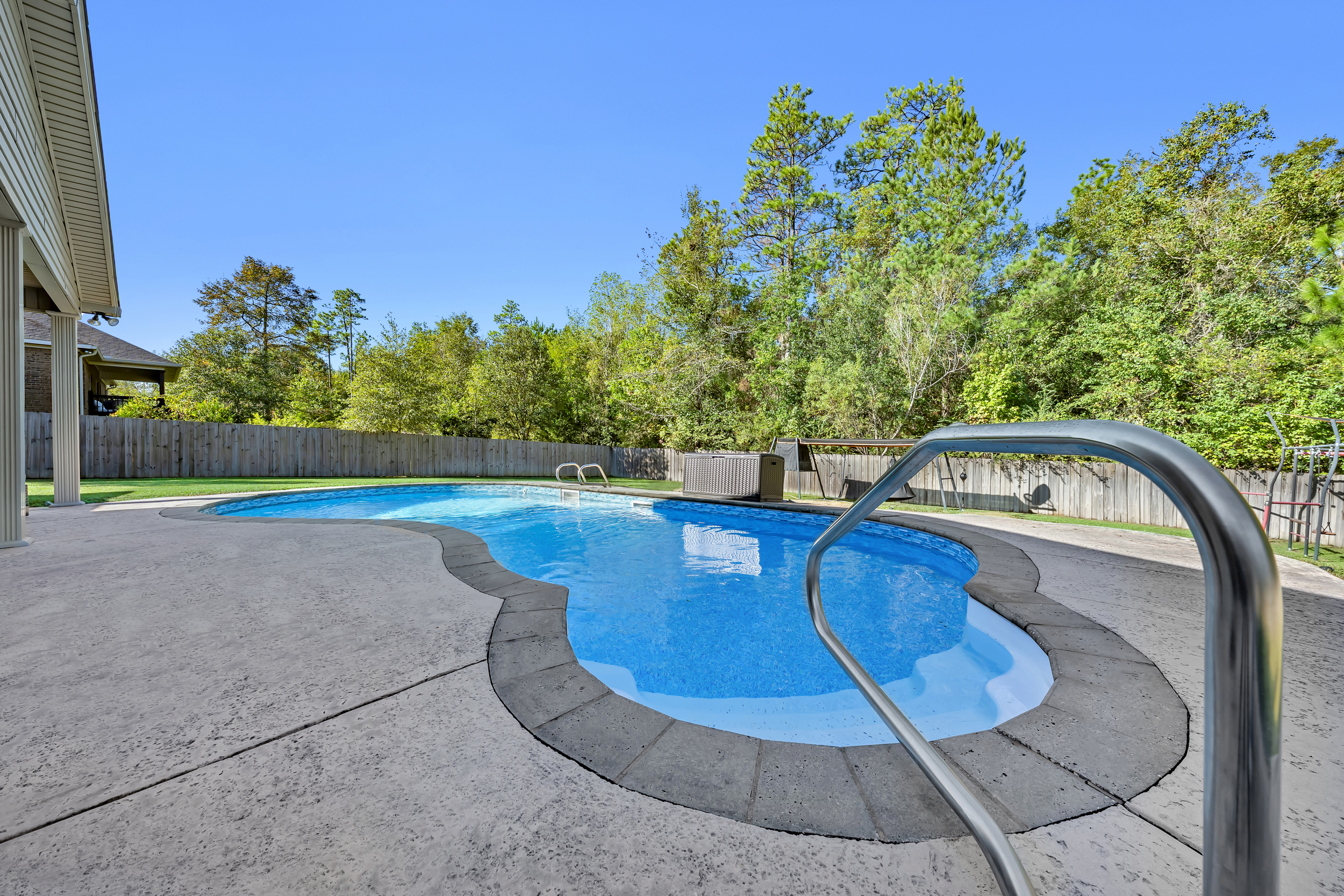
A good builder should be thinking about the entire system together.
You shouldn't design the pool, choose every material, install every feature and then decide at the very end that you'd like to make it saltwater.
The sanitation system should be part of the design conversation from the beginning.
That's one of the advantages of building your own pool. You get to make all of those decisions together.
When you buy an existing pool, someone else already made them for you.
Sometimes they made excellent decisions.
Sometimes you inherit a few decisions that make you tilt your head and wonder what exactly was happening that day.
That's simply part of buying someone else's house.
Would I Convert a Perfectly Good Chlorine Pool Just Because I Prefer Saltwater?
Probably not right away.
This is where practicality wins.
If I bought a house tomorrow and the traditional chlorine pool was beautiful, properly maintained and easy to own, I'd use it.
I wouldn't immediately start replacing perfectly good equipment just because I have a preference.
At some point, if the equipment needed replacing anyway or I decided I wanted to change the system, I might look seriously at converting it.
But there's something to be said for leaving well enough alone.
One of the lessons homeownership eventually teaches all of us is that there will always be something available to spend money on.
You don't have to volunteer.
If I Were Building Tomorrow, I Know What I'd Choose
Saltwater.
I know what both systems are like.
I understand that a salt system still needs maintenance and that eventually I'll buy another salt cell.
I understand that South Alabama weather is going to wreak occasional havoc on my perfectly balanced water no matter which sanitation system I choose.
I understand that neither system relieves me of the responsibility of actually taking care of the pool.
I'd still choose saltwater.
I like the water better. I like the way the system operates. I like having the chlorine generated continuously in the background.
Mostly, I like the ownership experience.
And after owning multiple pools, I think that's a perfectly legitimate reason to choose one system over another.
Not everything about a house has to come down to which option wins on a spreadsheet.
Sometimes you've lived with both, you know what you like, and you choose accordingly.
I'm Team Saltwater.
But if the perfect South Alabama house came with a beautifully maintained chlorine pool in the backyard, I'd still be unpacking my swimsuit before the moving truck left the driveway.
Let's sort out what you'd be inheriting.
If you're looking at houses with pools and want help sorting out what you'd be inheriting, me and my team are happy to walk through it with you.
Talk With Our Team About Buying in South AlabamaCheck out this article next