Pools · South Alabama
Does a Swimming Pool Add Value to a Home in South Alabama?
Never, ever put in a pool for resale value. Put it in because you want a pool.
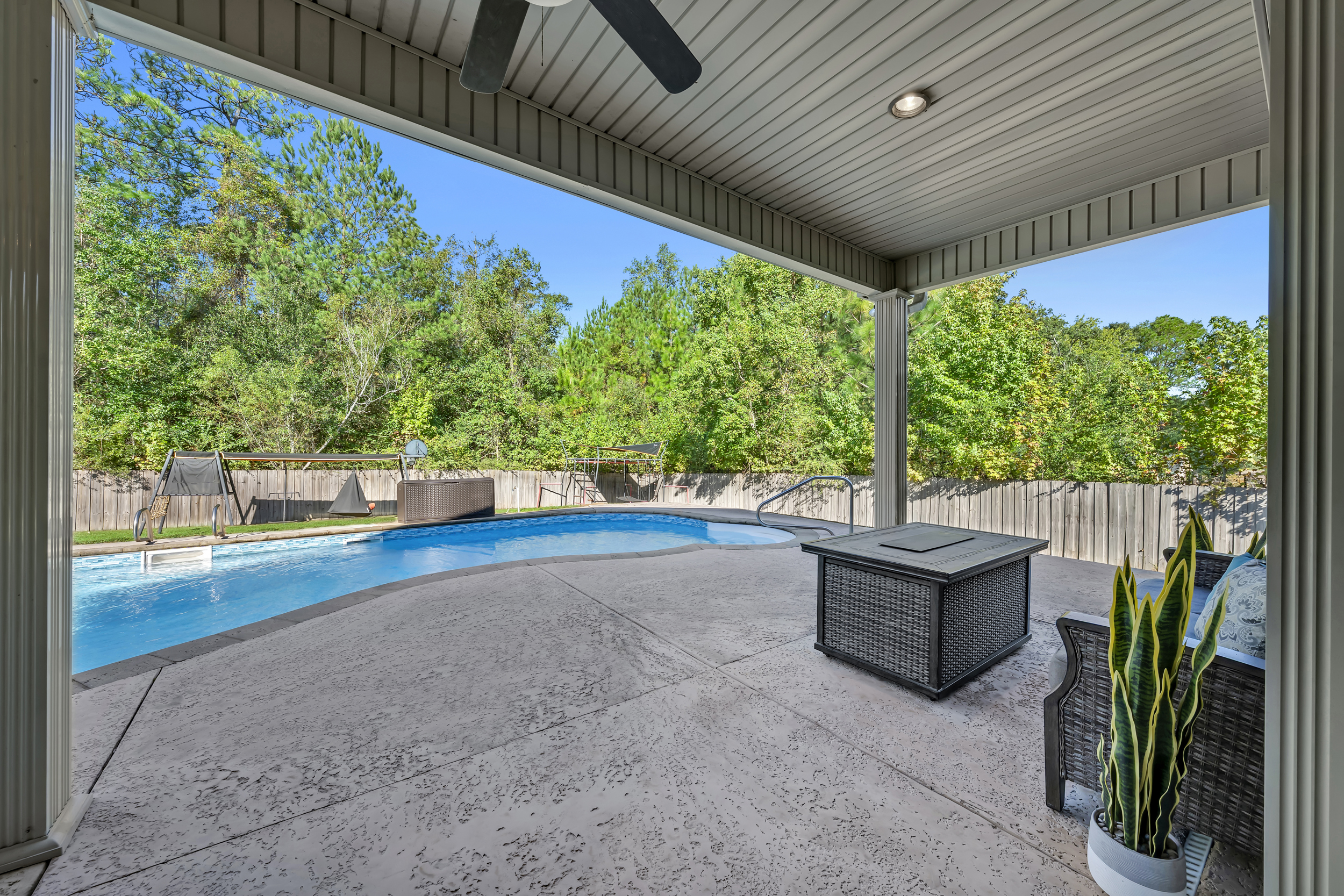
- Rule one
- Don't build a pool for resale
- Valuation
- Market reaction, not cost
- Appraisals
- Comparable sales
- When selling
- Condition and records
- Marketing
- Show the whole backyard
Never, ever put in a swimming pool for resale value.
There. Let's get that out of the way first.
I'm a real estate agent, I love swimming pools, I've bought two houses with pools, and we've built a gunite pool ourselves. I'm probably more pro-pool than most people you're going to ask.
And I'm still telling you: if the reason you're about to dig an enormous hole in your backyard is that you think somebody will pay you back for it when you sell, don't do it.
Put in a pool because you want a pool.
Put it in because you're going to spend your summers in it. Put it in because you want friends piled around the backyard on Saturday. Put it in because it's August in South Alabama and simply walking from the house to the mailbox feels like an athletic event.
Put it in because you can picture the next ten years of your life happening around that water.
Then someday, when you sell the house, if the pool makes the property more desirable or puts more money in your pocket, fantastic.
That's the icing on the cake.
But the cake is getting to live with the pool.
Your House Is Allowed to Be Somewhere You Live
I think homeowners sometimes get so consumed with resale value that we forget our houses are supposed to serve us while we own them.
Should you think about resale when you remodel? Absolutely. I probably wouldn't recommend making every permanent surface in the house fluorescent orange because it speaks to you spiritually.
But there's a difference between being sensible about resale and requiring every dollar you spend on your home to come back with interest.
A pool is one of the clearest examples.
We built a gunite pool knowing perfectly well there was no guarantee another buyer would someday reimburse us dollar for dollar for what we spent.
That wasn't why we built it.
We built it because we wanted the pool.
The return started the first summer.
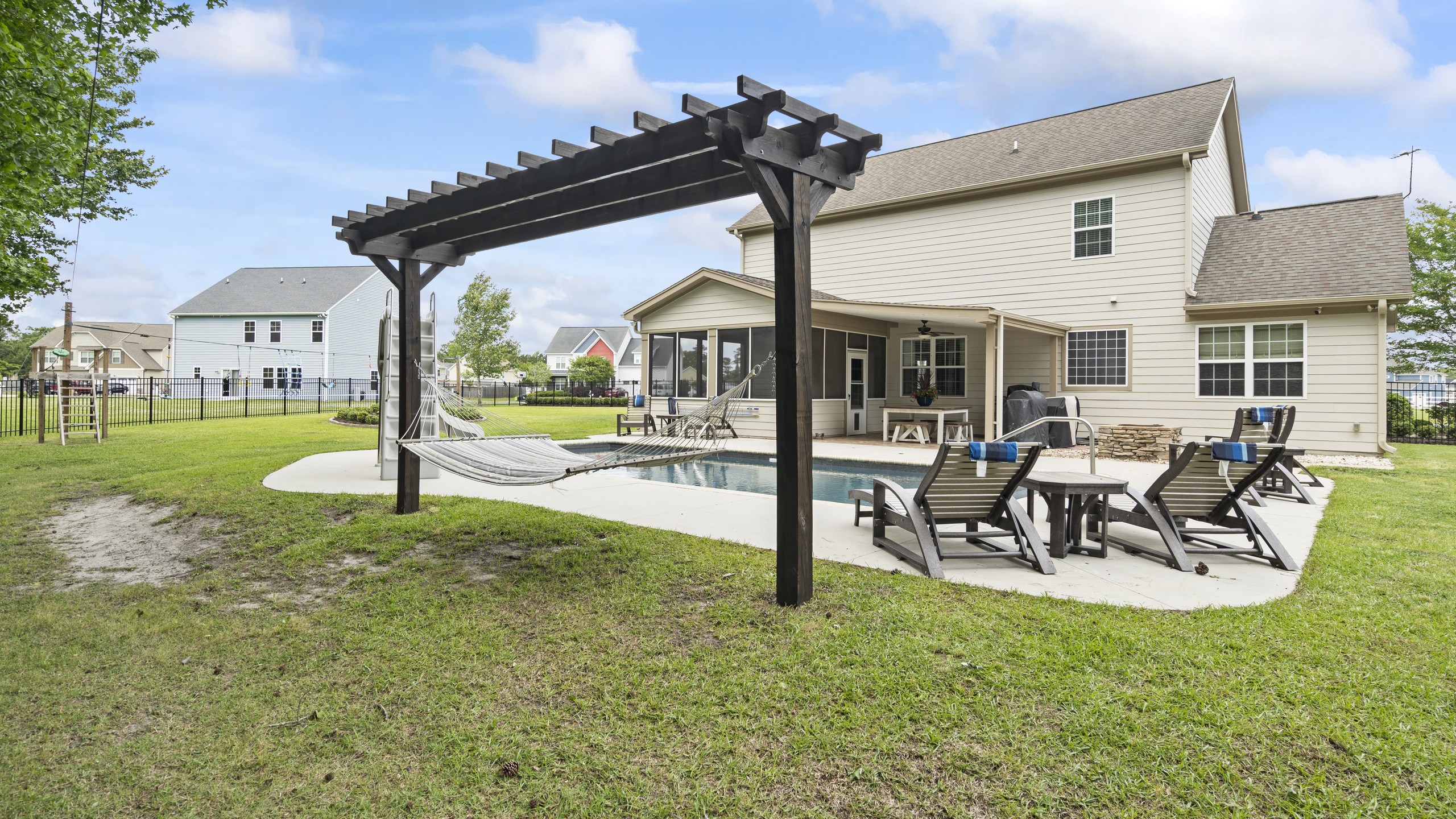
It came in afternoons when our son stayed outside instead of staring at a screen. It came in birthday parties, friends, cousins, wet towels, late swims and kids who were absolutely exhausted by the end of the day. It came in nights with the grill going while the grown folks sat around talking and the kids stayed in the water long after we'd told them it was time to get out.
Those years count.
You don't have to wait for the settlement statement at some future closing to decide whether the money was well spent.
If you spend ten years enjoying the heck out of something, it's already produced a return.
It just wasn't a financial one.
Now Let Me Put My Agent Hat On
This is where two things can be true at the same time.
You shouldn't build a pool for resale value.
A pool can absolutely contribute value when you sell.
What I won't do is tell a homeowner that an inground pool automatically adds $40,000, $75,000 or 10 percent to a house simply because someone put a pool in the backyard.
That isn't how residential valuation works.
What matters is how the market reacts to that feature. Fannie Mae's appraisal guidelines say an appraiser's adjustments between comparable sales must reflect the market's reaction to the difference between properties, not simply what something cost. Its guidelines even use an in-ground pool as an example: in an area where pools aren't typical, a home with one may be considered an over-improvement.
That makes sense.
Imagine spending $100,000 on something for your house. The receipt proves you spent $100,000. It doesn't prove the next person will pay you $100,000 more for the house because you did.
Those are entirely different things.
When we price a home with a pool, I want to look at the actual market:
What we look at when pricing a home with a pool
- What have comparable homes sold for?
- Can we find similar properties with pools?
- What did competing homes without pools sell for?
- How typical are pools in that neighborhood and price range?
- What condition were those pools in?
The comparable sales that matter come from the market where your house actually competes, and they reflect the features buyers are actually responding to.
That's far more useful than some national article declaring that a pool adds a certain percentage to every house in America.
South Alabama is its own market.
We have a much longer swimming season than many parts of the country. A pool can be used for months here, sometimes well into the fall. We also have plenty of buyers who really want one.
That can absolutely matter.
But it still doesn't turn construction cost into guaranteed resale value.
Sometimes the Bigger Benefit Is Desirability
There's another part of this conversation that's harder to measure neatly on an appraisal.
A great pool can make somebody want your house.
That matters.
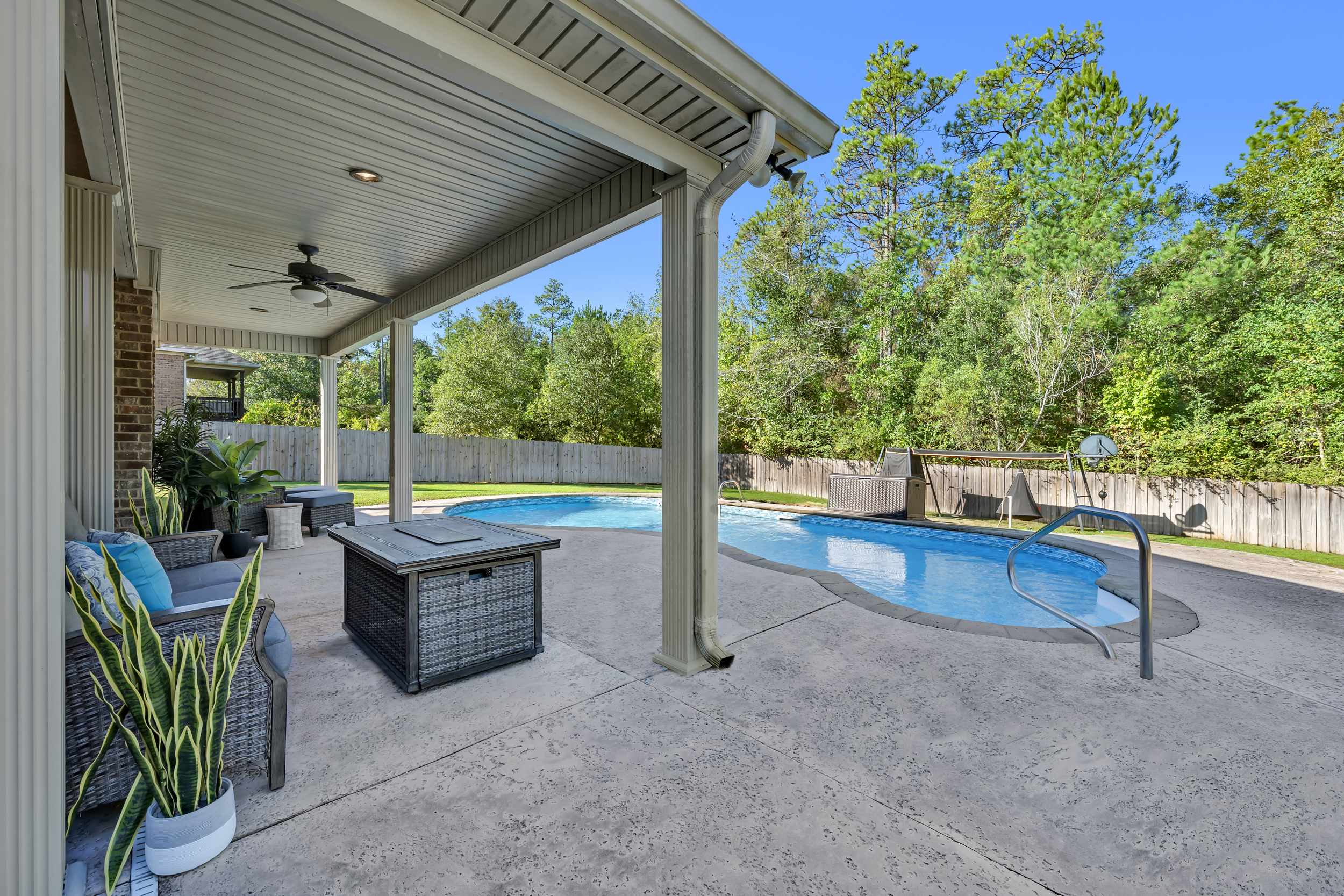
Buyers don't experience houses as spreadsheets. They walk through them and imagine their lives.
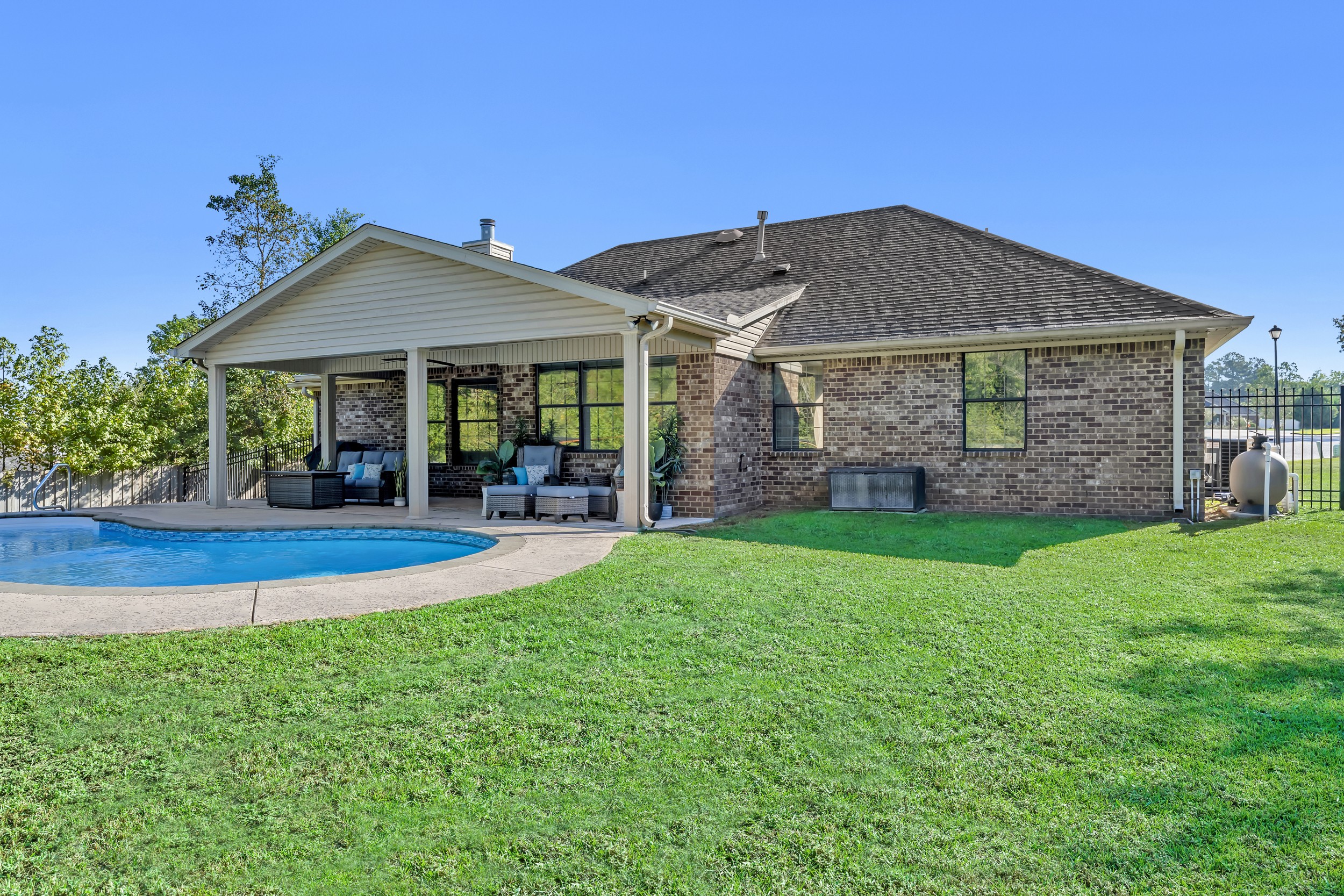
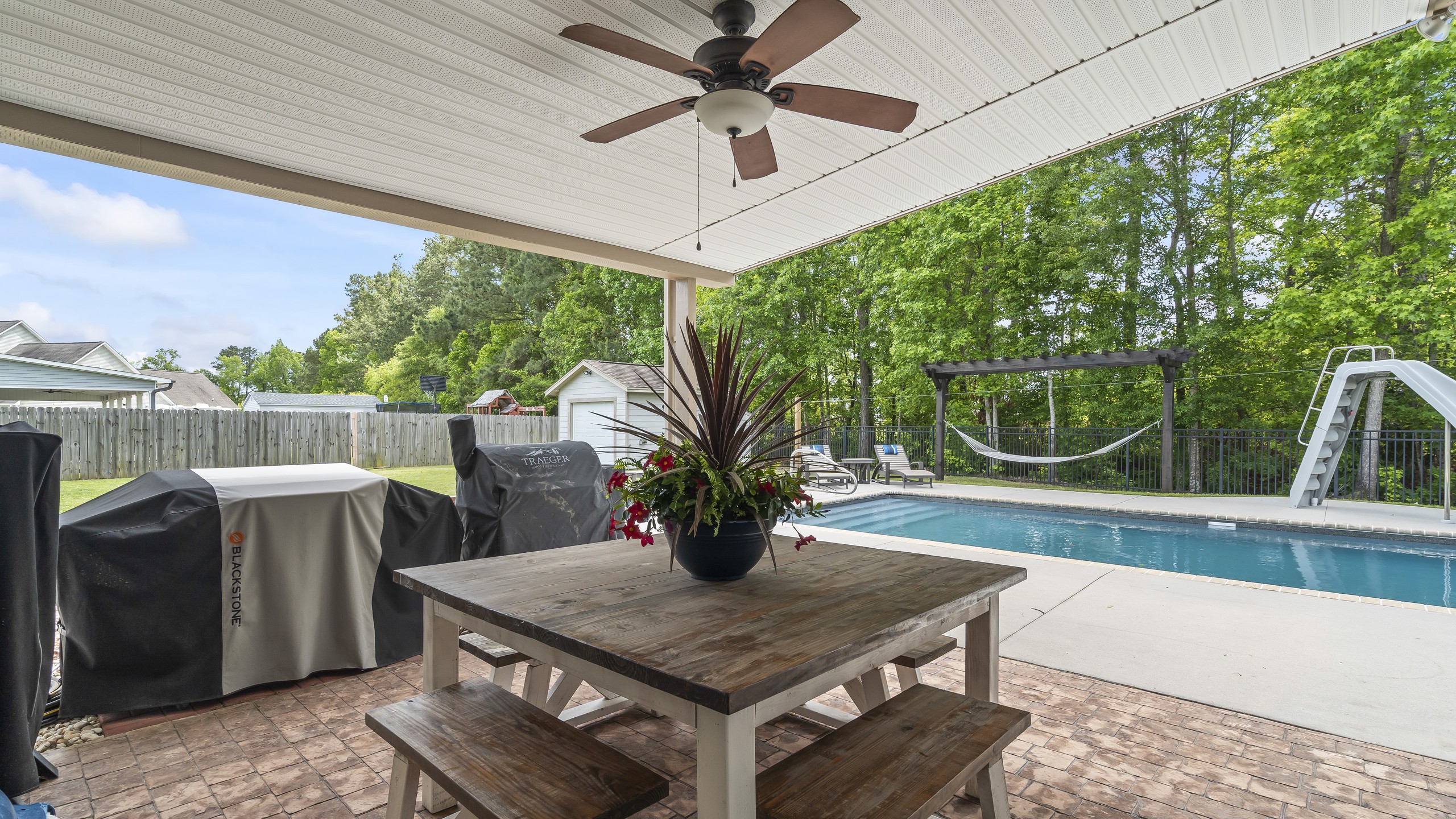
They open the back door and see a beautiful pool, a covered porch and a backyard they can already picture themselves using, and suddenly they aren't just looking at square footage anymore.
They're picturing Saturday.
They're picturing birthday parties.
They're figuring out where they'd put the grill.
They're wondering whether the patio furniture conveys.
You can call that emotional if you want to.
Buying a home is emotional.
A house still has to make financial sense, but anyone who has spent much time selling homes knows people are looking for more than bedrooms and bathrooms. They're trying to find a place where they can picture their life happening.
A really good pool can help create that picture.
It can make one house stand out from five others.
It can be the thing a buyer remembers after a full day of showings.
It can be the reason one home gets a second look.
It can make someone say, "This is the one."
That desirability may ultimately translate into stronger marketability or additional value. But it isn't something I'd promise a homeowner before they build the pool.
There's another buyer out there who is going to walk into the exact same backyard and think, "Absolutely not. I don't want to maintain that."
That's okay.
They weren't your pool buyer.
Not every feature has to appeal to everybody.
The Condition of the Pool Changes the Entire Conversation
When I say a pool can make a house more desirable, I'm talking about a pool people actually want to own.
A beautiful, well-maintained pool with good equipment, clean decking and an inviting backyard is an amenity.
A green pool with cracked decking, an ancient pump and a seller who says, "I'm pretty sure the heater still works," is a liability in a buyer's mind.
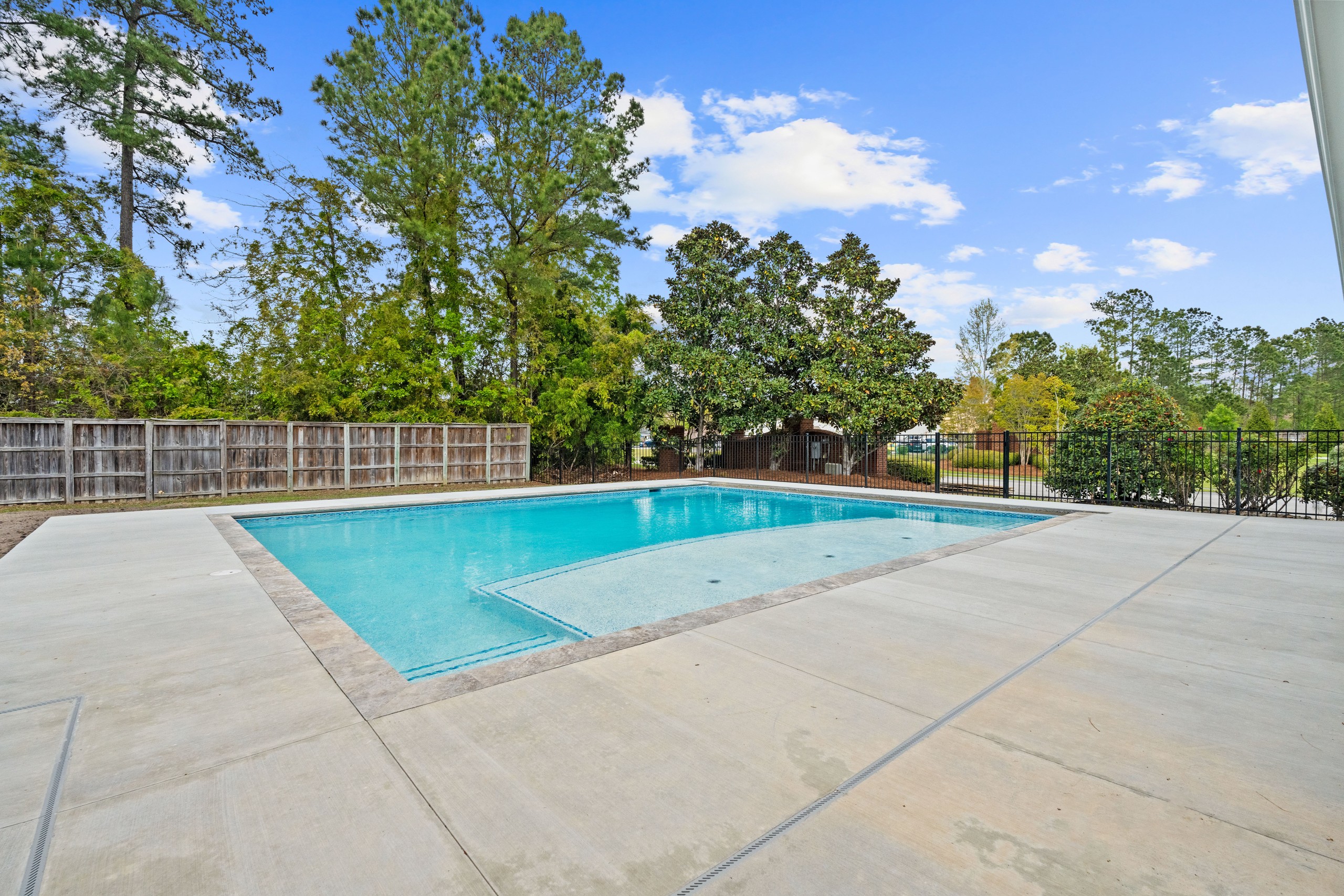
The fact that both technically have an inground swimming pool doesn't make them equivalent.
If you already own a pool and are getting ready to sell, this is where your effort can matter.
Maintain it.
Have the water beautiful for photos and showings. Deal with obvious deferred maintenance. If something is broken, find out what it will cost instead of leaving every buyer to imagine the worst.
And keep records.
If you replaced the pump two years ago, that's useful.
If the salt cell is new, useful.
If the gunite was recently resurfaced, useful.
If a professional company has maintained the pool every week for years, give us the name.
A buyer looking at a pool isn't only wondering whether they'd enjoy it. They're also wondering what problem you might be handing them.
The more confidence we can give them that the pool has been cared for, the easier it is for them to see the fun instead of the expense.
Please Don't Install One Six Months Before Listing
Every now and then, someone starts thinking about selling and asks whether adding a big improvement first will increase the sales price.
If the improvement we're discussing is a swimming pool, my answer is almost always going to be the same.
Why would you do that to yourself?
You're going to spend the money.
You're going to deal with construction.
You're going to give up the yard for however long the project takes.
You're going to make approximately 47 decisions you didn't know existed.
Then, just when the water finally looks perfect, you're going to hand the keys to somebody else.
And we still can't guarantee the market will return your cost.
If you want a pool and plan to live in the house for years, that's a very different conversation.
Build the pool.
Swim in it.
Use it until you're sick of looking at wet towels.
Have the parties.
Make the memories.
Get your money's worth out of it in ways that have absolutely nothing to do with an appraisal.
Then let us worry about resale when resale actually matters.
What If Your House Already Has One?
Then when it's time to sell, we absolutely use it.
This is where I think pool homes sometimes get marketed terribly.
Someone spends a small fortune creating a gorgeous backyard, and then the listing has 36 photos of the inside of the house and two pictures of the pool taken in the middle of the day.
If the pool is one of the reasons someone would choose this house, we should treat it like one.
Show the entire backyard.
Show how the pool connects to the porch or patio.
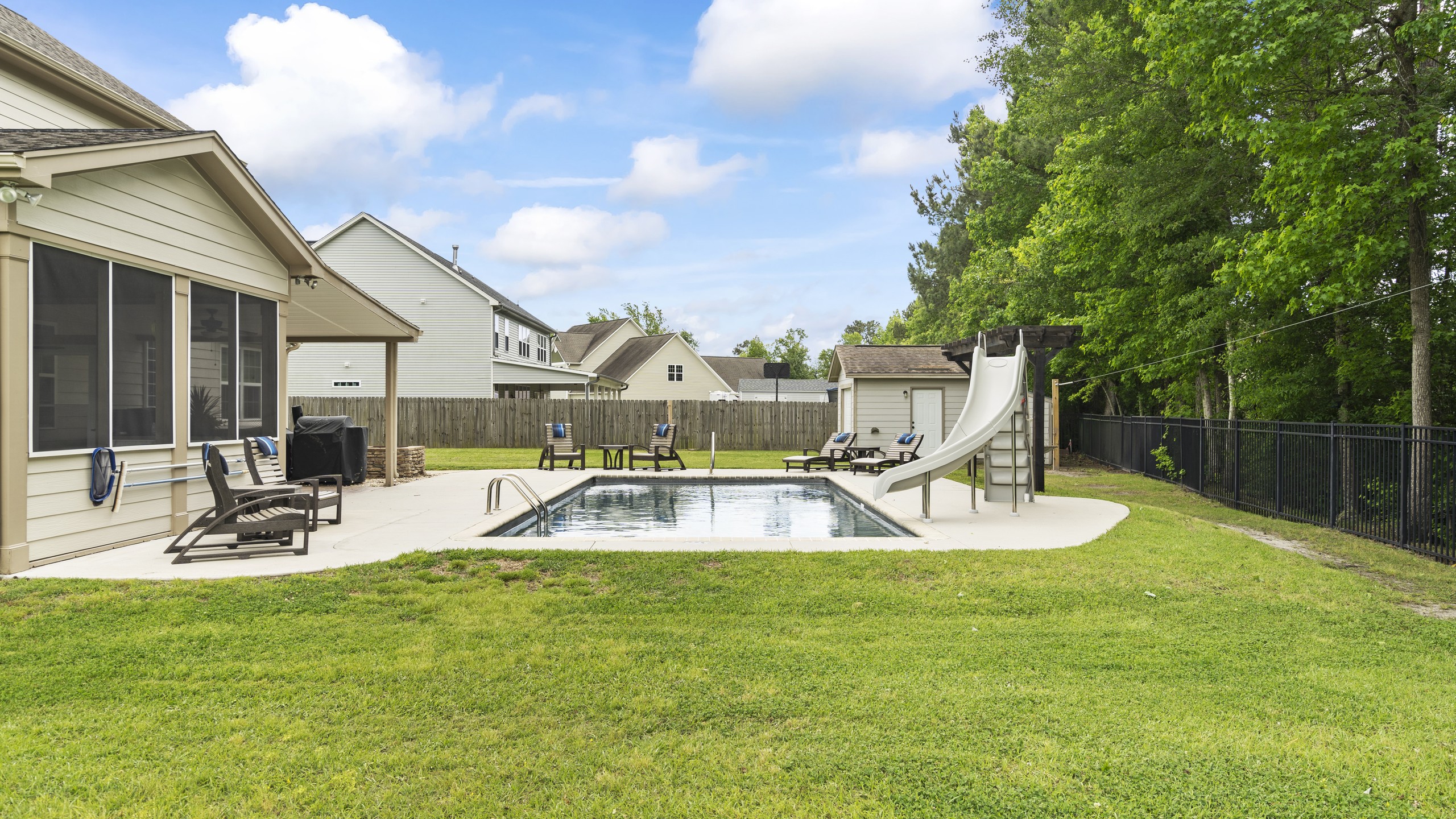
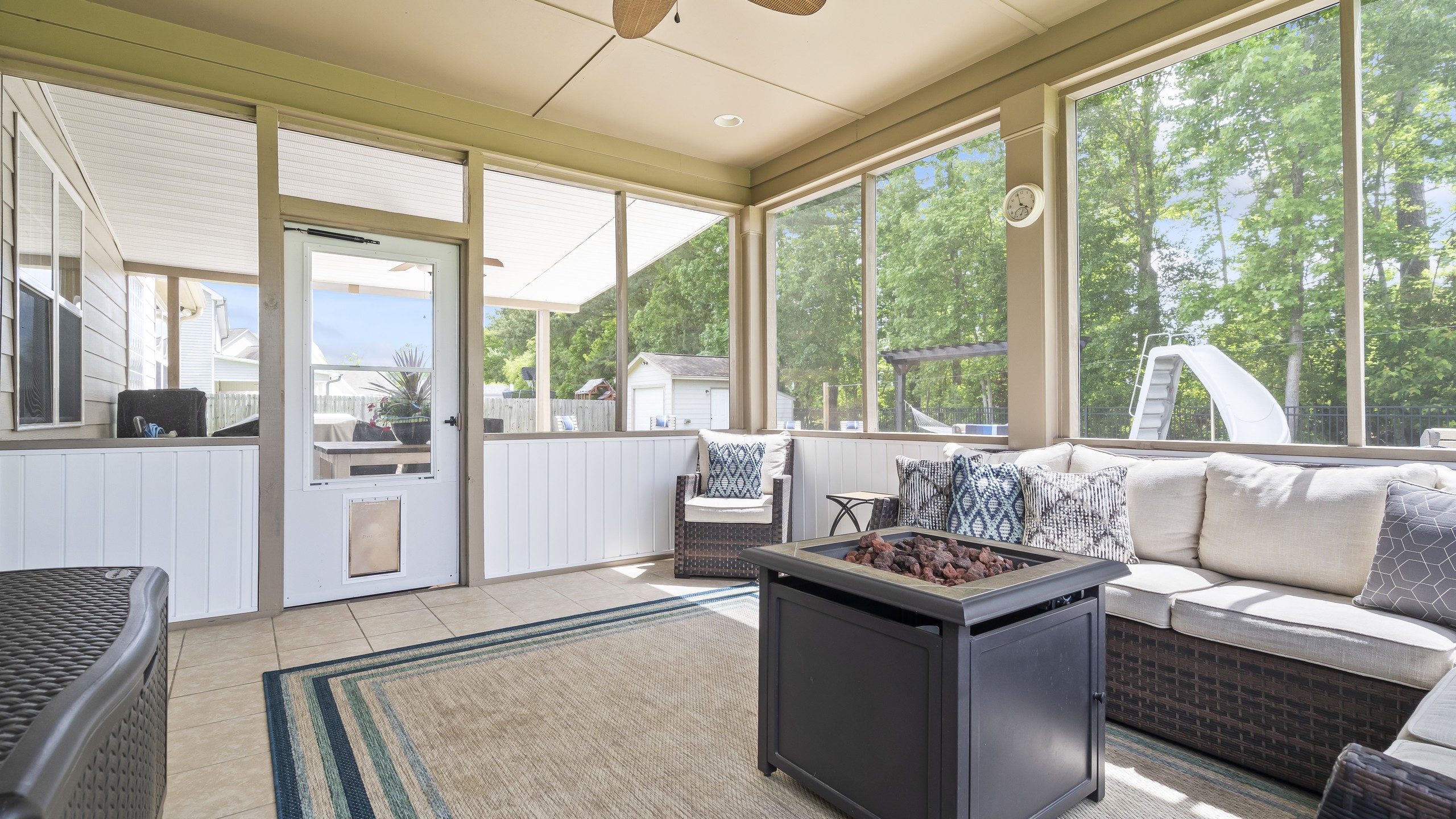
Show the entertaining space.
Show the landscaping.
If the house has an outdoor kitchen, fire pit, covered seating or other features that work with the pool, tell the complete story.
I don't mean we manufacture some ridiculous fantasy version of life where everyone permanently lounges beside the water holding champagne.
I mean we show buyers what makes the property worth considering.
The backyard is part of the house.
If it's exceptional, market it exceptionally.
Would I Build Another One?
Absolutely.
And I still wouldn't call it an investment strategy.
I'd call it spending money on the way I want to live.
There's a difference.
Real estate has trained us to ask, "Will I get my money back?" about almost everything we do to a house.
Sometimes that's the right question.
Sometimes the right question is, "Will we love having this?"
If you're staying in the house long enough to use it, your budget can comfortably handle the construction and the ongoing maintenance, and you really want a pool, I think that question deserves some weight too.
Someday you'll sell.
Maybe your pool will contribute significantly to the sales price. Maybe it will make your house the most desirable home in its competitive set. Maybe the perfect buyer will walk into the backyard and fall completely in love with it.
I hope all of those things happen.
But don't build it for that person.
Build it for the people who live in your house now.
Build it for the summers you're about to have.
Then, when the day eventually comes that somebody pays you a little more for the house because there's a beautiful pool in the backyard, smile and take the money.
That's the icing.
You already ate the cake.
Selling a home with a pool?
If you own a home with a pool and want to know how it might play in today's market, me and my team are happy to take a look with you.
Talk With Our Team About Selling in South AlabamaCheck out this article next