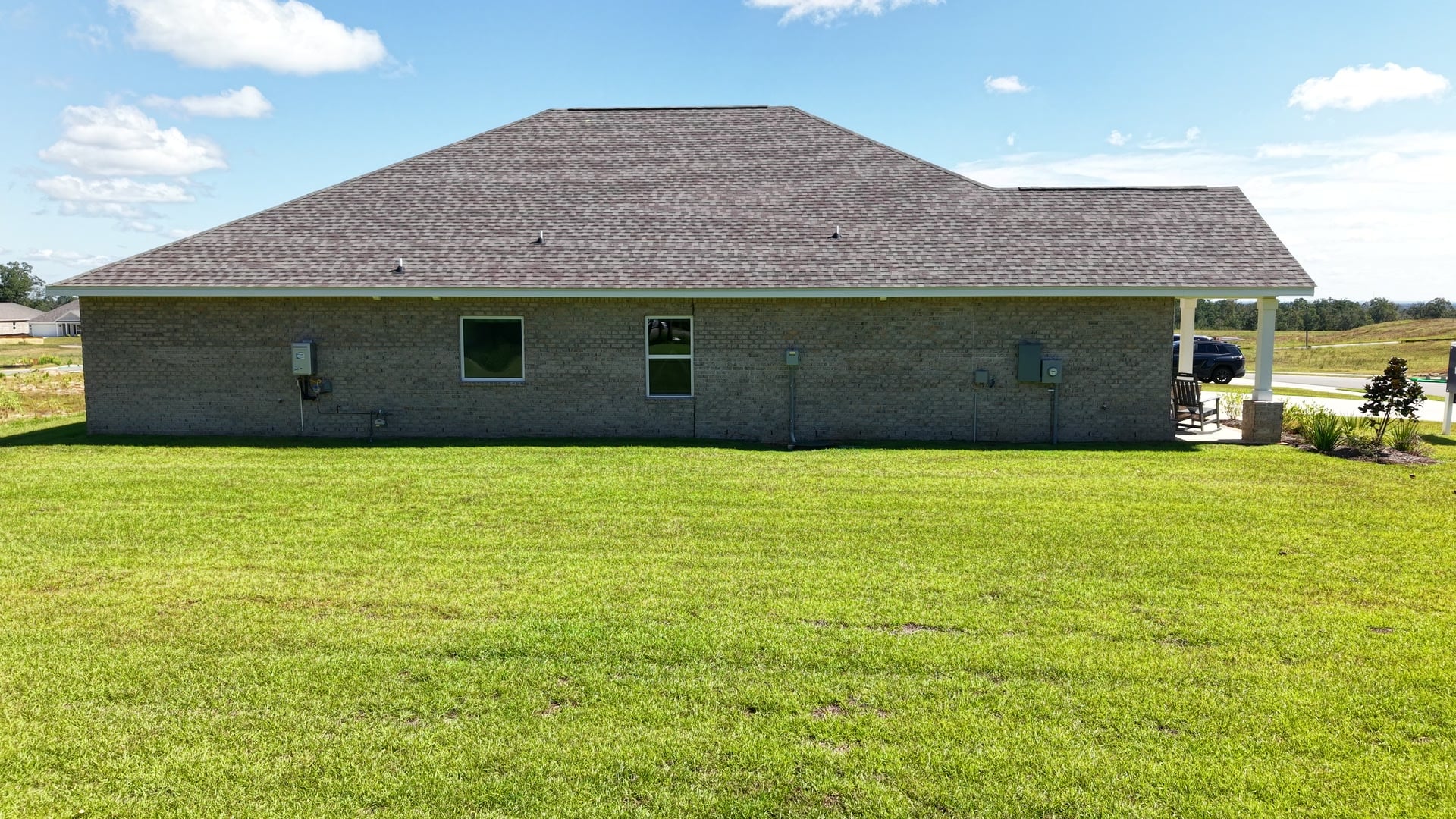
Bear Run · Saraland
What Does D.R. Horton's Warranty Actually Cover on a New Home in Bear Run?
A ten-year warranty isn't ten years of bumper-to-bumper coverage. Here's how the layers actually work.
- Administered by
- Residential Warranty Company (RWC)
- Year one
- Workmanship and construction standards
- Two years
- Defined HVAC, electrical and plumbing coverage
- Years three to ten
- Major structural defects
- Appliances
- Not covered; go through the manufacturer
One of the phrases new construction buyers hear constantly is, "It comes with a ten-year warranty."
That sounds fantastic. It also creates one of the biggest misunderstandings I see, because a ten-year limited warranty doesn't mean D.R. Horton will repair everything that goes wrong in your house for the next ten years. That isn't how the warranty is built.
If you're buying a D.R. Horton home in Bear Run, there are several warranty periods, different types of coverage, homeowner maintenance responsibilities, manufacturer warranties, and a process you need to follow when something goes wrong. This is one of those parts of buying new that isn't exciting until you need it. Then it's very important.
One Year, Two Years and Ten Years Don't Mean the Same Thing
D.R. Horton's limited warranty is administered through Residential Warranty Company, usually called RWC. The warranty breaks coverage into layers.
For the first year, it covers specific workmanship and construction items, measured against the standards written into the warranty. For the first two years, defined portions of the heating, cooling, ventilation, electrical and plumbing systems have additional coverage. From year three through year ten, coverage gets much narrower and applies to qualifying major structural defects.
So when you hear "ten-year warranty," don't picture ten years of bumper-to-bumper coverage. The broadest protection is at the beginning, and it narrows as the house gets older.
What the First Year Actually Covers
The first year is where most of the everyday construction standards live, and D.R. Horton's maintenance materials are surprisingly specific about what qualifies for repair.
The word "standards" matters. A warranty issue usually isn't "I don't like how this looks." The warranty often sets an actual measurement for what counts as a covered defect. For example, D.R. Horton says it will repair open joints in interior trim that are wider than 1/8 inch, cracks in exterior trim wider than 3/16 inch, and interior doors that warp more than 3/8 inch measured diagonally. There are similar guidelines for things like air conditioning performance, electrical wiring, tile and grout.
I'm not suggesting you walk around your house with a ruler looking for problems. The point is that the warranty is based on published performance standards, not on whether something bothers you. That's why you keep the warranty booklet where you can find it.
The Two-Year Coverage Is More Specific
The warranty gives defined portions of the home's systems two years of coverage: heating, cooling, ventilation, electrical and plumbing.
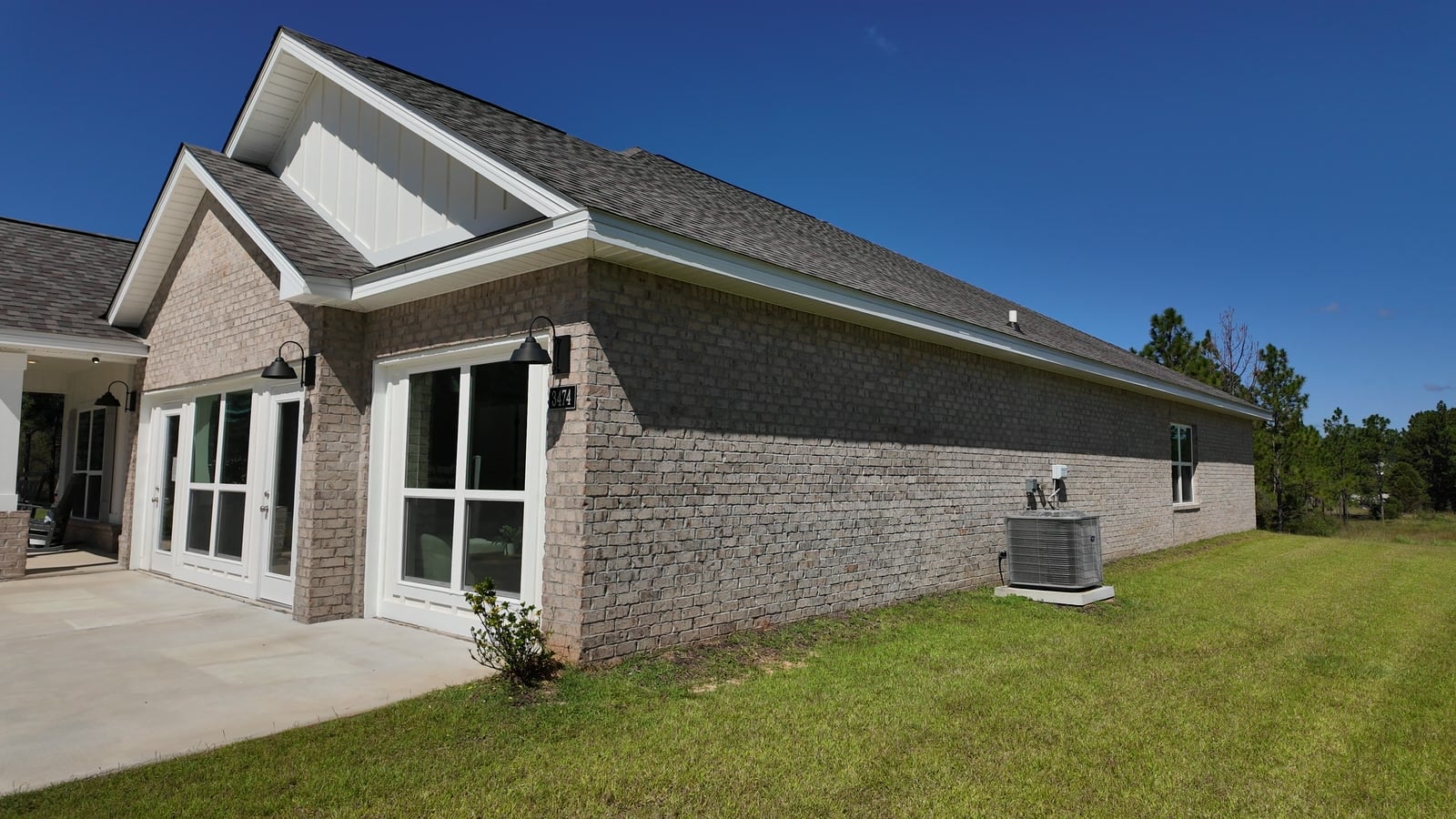
That doesn't mean every part connected to those systems is automatically covered for two years. The RWC warranty says coverage applies to the portions of those systems it defines, subject to its standards, exclusions and limits. Some equipment in your home has its own manufacturer warranty instead.
Your Appliances Are a Different Warranty
This one catches people off guard. D.R. Horton's maintenance information states plainly that appliances are not covered by its Limited Warranty. Appliance problems generally go through the manufacturer or its authorized service company.
So if your dishwasher quits after you move in, a D.R. Horton warranty request may not be the right first call. You may need the manufacturer.
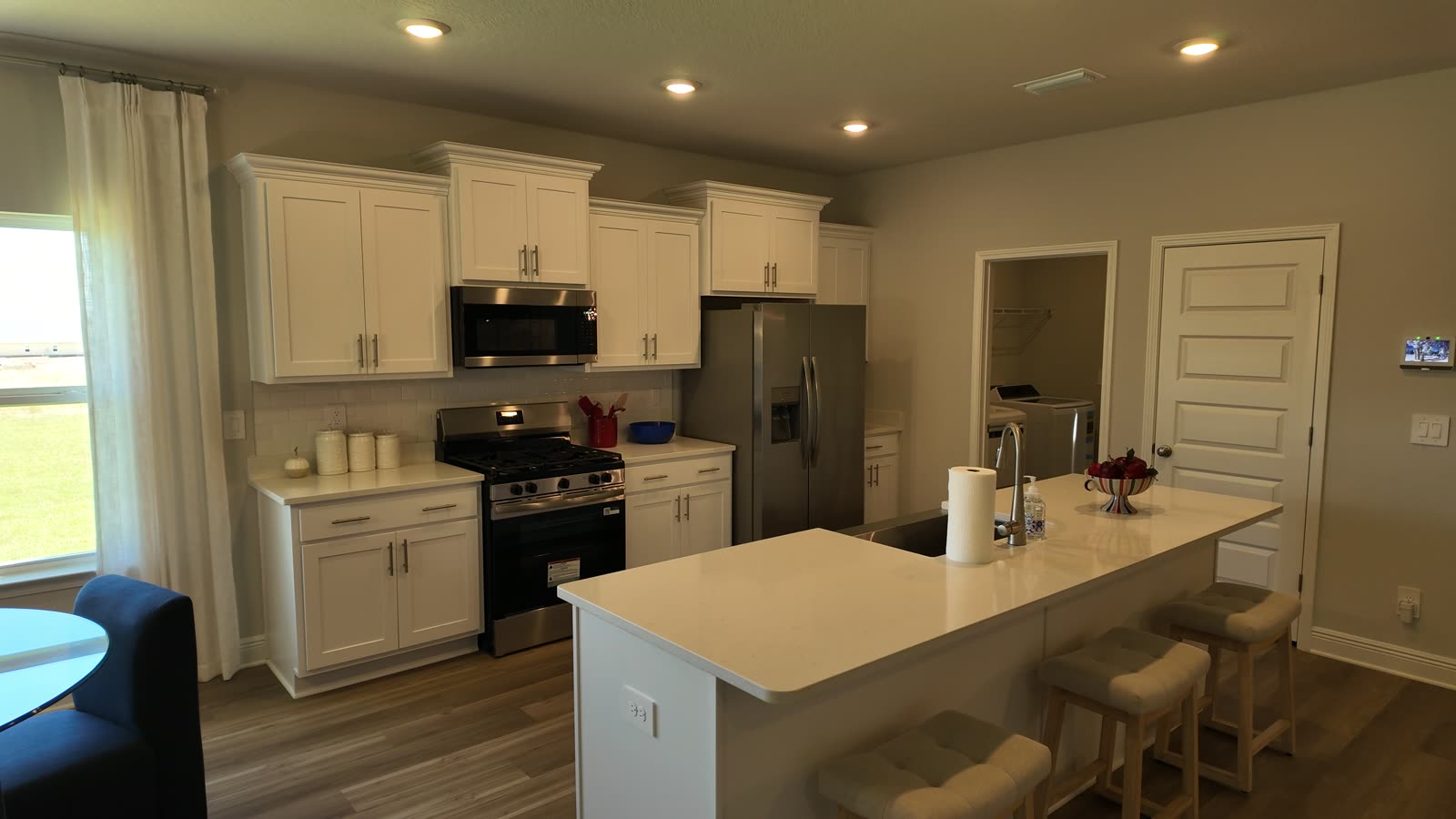
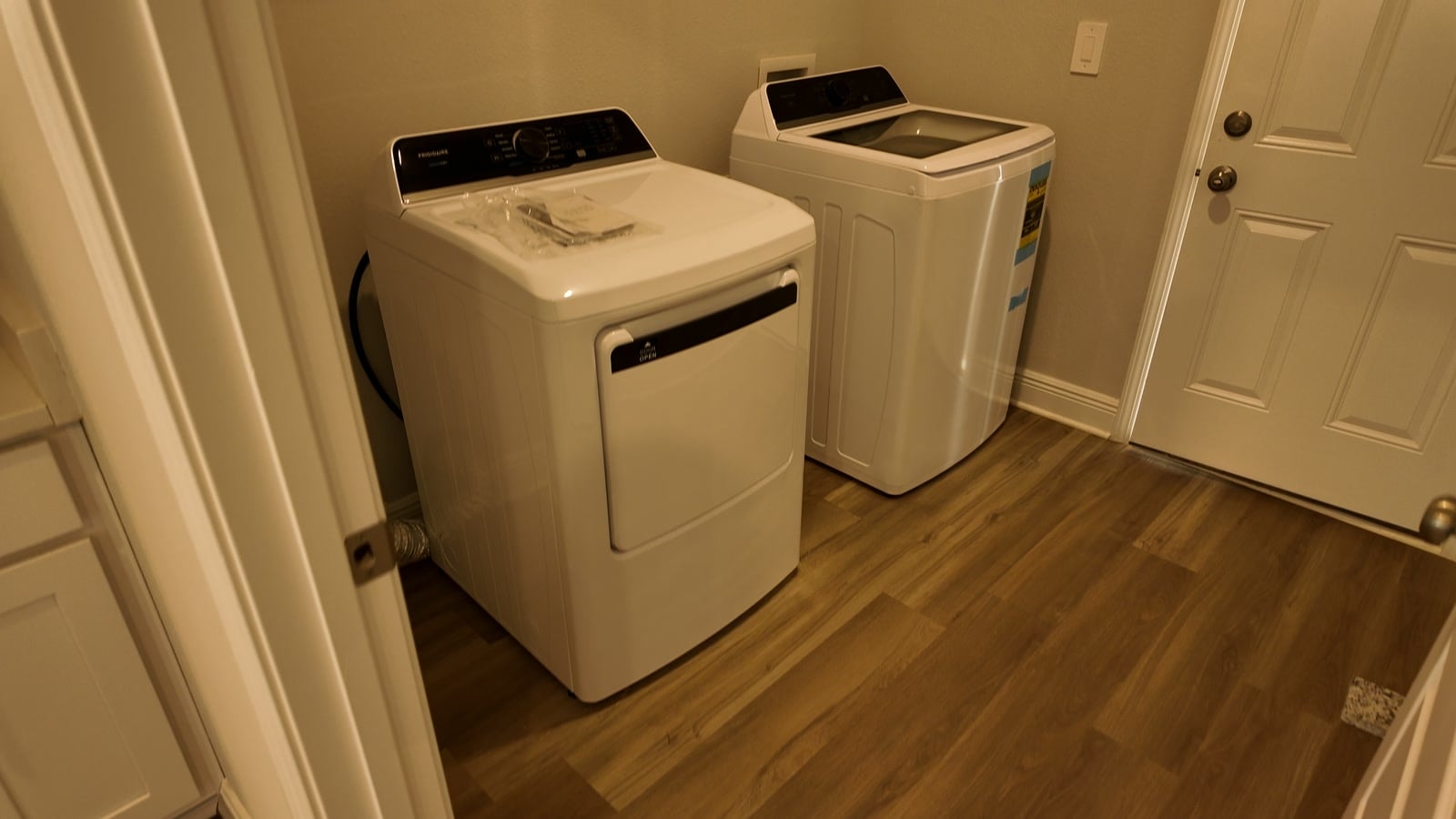
That's why I want you to keep the warranty information that comes with every appliance and piece of equipment in the house. Don't toss it all in a kitchen drawer and hope you can find it later. Start a permanent house file now. Future you will be grateful.
Years Three Through Ten Are About Major Structural Defects
This is probably the most misunderstood part of the warranty. After the first two years, the remaining coverage focuses on major structural defects, as that term is specifically defined in the RWC warranty. It doesn't cover drywall cracks, a squeaky floor, a faucet problem or a cabinet door that needs adjusting.
During years one and two, D.R. Horton is the warrantor. For years three through ten, coverage for qualifying major structural defects comes through the warranty's insurer.
So again, a ten-year warranty doesn't mean ten years of general home repairs. The coverage in year ten is very different from the coverage in year one.
The Warranty Isn't a Maintenance Agreement
This may be the most important sentence in the whole warranty. The RWC document says it is not an insurance policy, a maintenance agreement or a service contract. Once you close, maintaining the house is your responsibility.
D.R. Horton is specific about what it expects homeowners to maintain. Caulking is a good example. The builder installs it during construction, but after closing, maintaining the interior and exterior caulking is your job. Caulk naturally shrinks and cracks with expansion, contraction, settling and weather. That's normal homeownership.
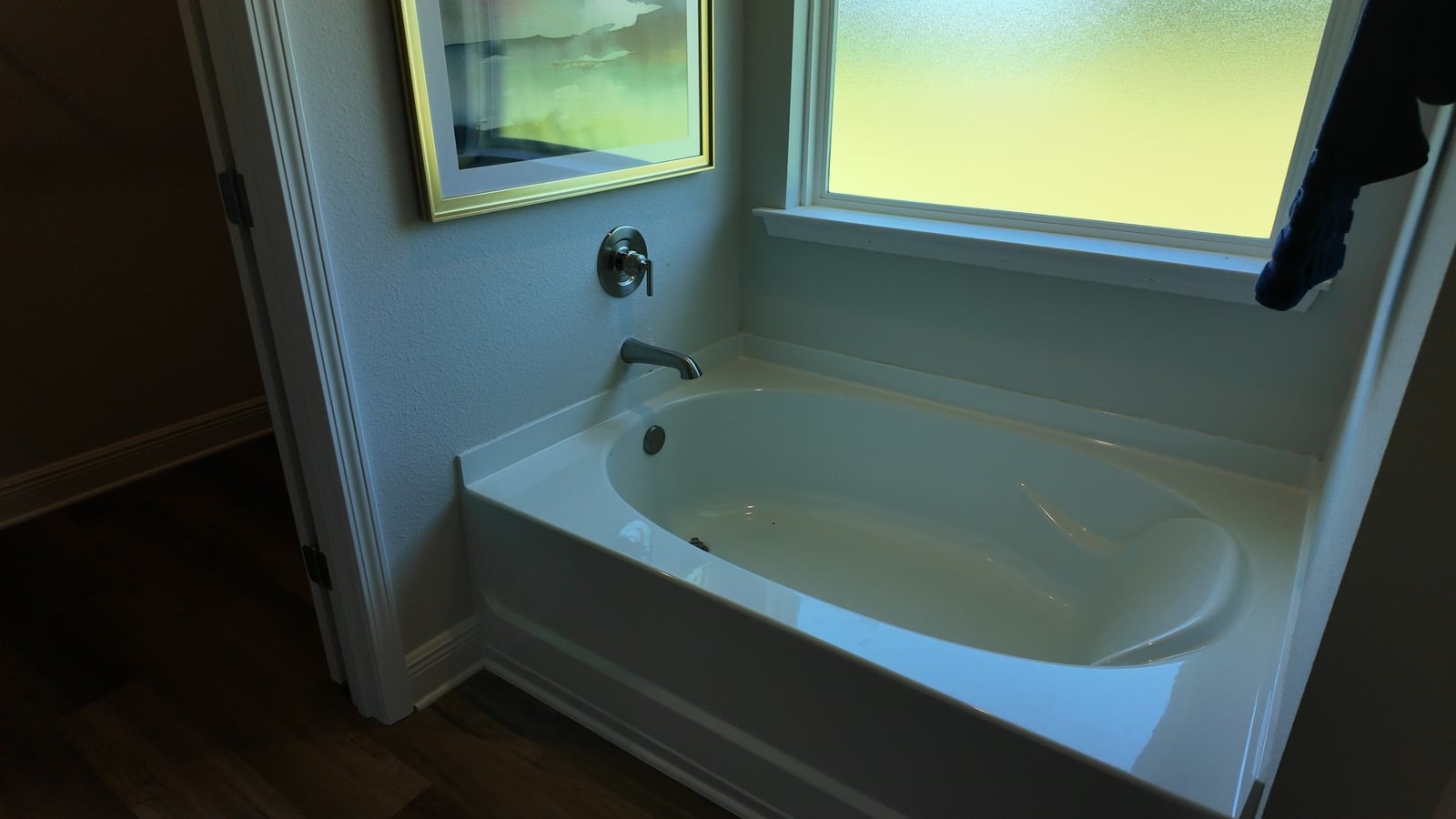
The same idea applies throughout the house. You'll need to change the air conditioning filters, keep the outdoor condenser clear of plants and debris, keep the condensate drain line clear, keep humidity at a reasonable level, keep the weep holes in the brick open, keep drainage flowing away from the foundation, and keep up with the caulking.
Why does this matter? Because if neglect causes or contributes to damage, you can't simply point to the builder's warranty and expect everything to be fixed. Owning a new house is still owning a house.
Take Water Especially Seriously
When you own a home in South Alabama, you don't play around with water. If you find a leak in the roof, a window or the plumbing, report it right away. The RWC warranty requires written notice of defects, and waiting can turn a small, covered problem into a bigger one that's harder to resolve.
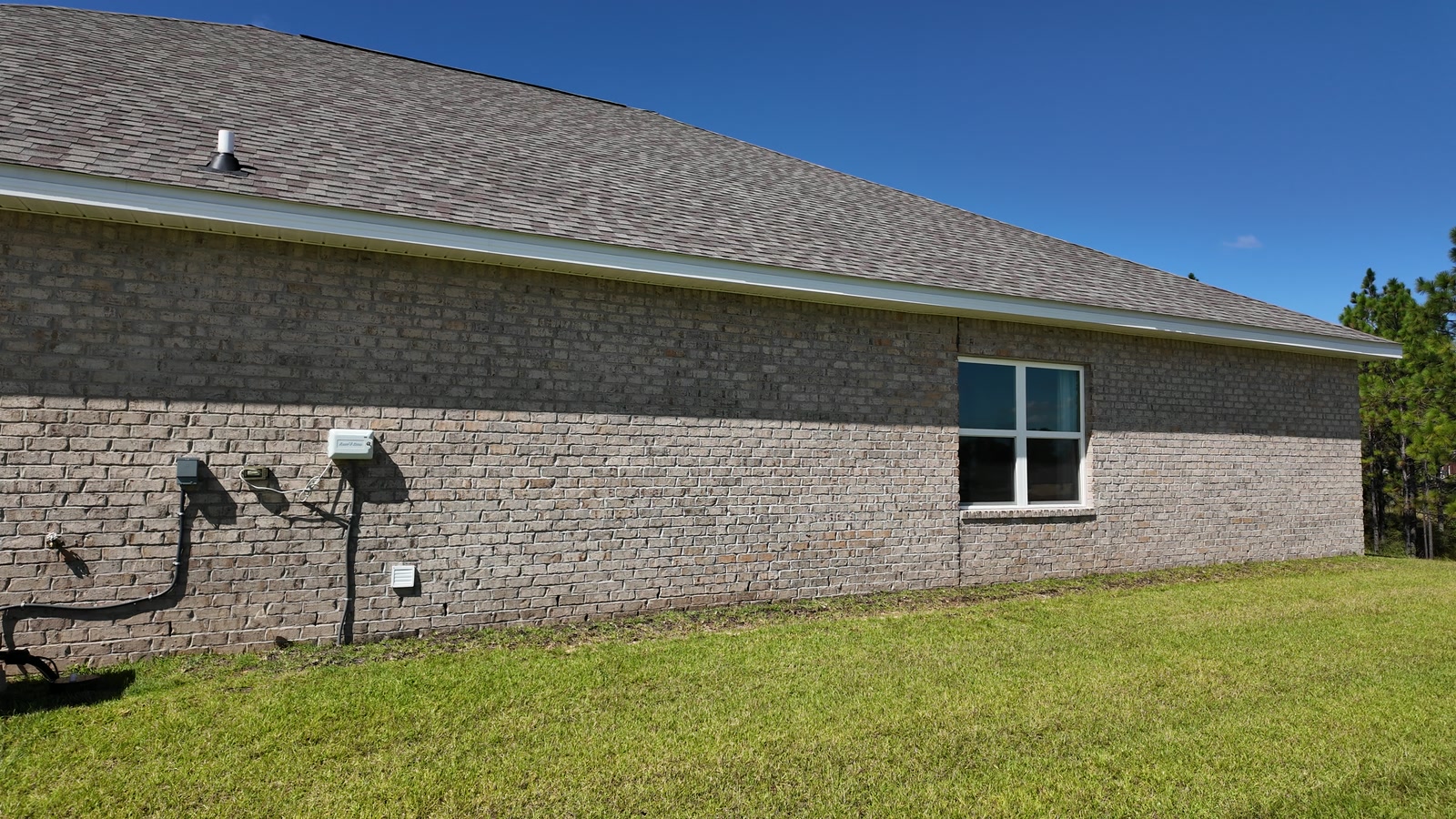
That's how I'd handle it. If you discover water coming in, don't wait three months to add it to your eleven-month list. Report it in writing, take pictures, note when you found it, and take reasonable steps to keep the damage from spreading. Then follow the warranty process. A slow plumbing leak can become a much bigger problem if nobody deals with it.
Not Every First-Year Change Is a Defect
New houses move. Wood dries. Materials expand and contract, and the house goes through heat, humidity and seasonal changes. That's why you may see small drywall cracks, nail pops, trim shrinkage or other minor cosmetic changes in the first year. Some of that is part of a house settling, not a sign that something is wrong.
That's one of the reasons I like an inspection near the end of the first year. You've lived in the house long enough to see how it behaves, and you're still inside the first-year coverage period.
Why I Recommend an Eleven-Month Inspection
If I were buying a new home in Bear Run, I'd put a reminder on my calendar for month ten. Not month twelve. Month ten. Then I'd schedule an independent home inspection around month ten or eleven.
By then, the air conditioning has been running, the plumbing has been used, the house has been through weather and heavy rain, and the materials have had time to settle. Your inspector can find legitimate issues that simply weren't visible before closing, and you'll still have time to review the report and submit warranty requests before the first-year coverage ends. I'd much rather have that conversation in month eleven than in month thirteen.
Don't Save Everything for the Eleven-Month Inspection
There's a difference between something minor that can wait and something that needs attention now. Many builders suggest keeping a running list of ordinary first-year items, like nail pops or doors that need adjusting, and submitting them together near the eleven-month mark. Emergencies and urgent problems are a different story. Those get reported right away.
A couple of nail pops? Make a note. A small drywall crack that isn't changing? Photograph it and watch it. Water coming through the ceiling, no air conditioning in July, or an active plumbing leak? Those aren't going on the list. We're not waiting. Use common sense.
The Homeowner Orientation Matters More Than People Realize
Remember the superintendent walkthrough from the last post? This is where it connects directly to the warranty.
D.R. Horton's maintenance standards repeatedly tie cosmetic conditions to the Homeowner Orientation. The builder confirms things like appliances working and surfaces being acceptable at that meeting, and visible damage to items like doors, light fixtures, flooring, tile, tubs and showers should be noted on the orientation paperwork.
That's why I don't want you racing through that meeting. Some things become much harder to prove were construction damage after you've closed, moved furniture in, brought the dog home and lived there for three months. If it's visible before closing, document it before closing.
How to Submit a Warranty Request
D.R. Horton has an online customer portal where homeowners can submit warranty service requests. Its Mobile division office is at 7856 Westside Park Drive in Mobile.
My preference with any warranty request is documentation. Submit it through the proper system. Describe the problem clearly, add photos where they help, and keep copies and the date you submitted it. If the problem changes, document that too. Don't rely on mentioning it to someone who happens to be at the house. A warranty request is much easier to track when there's a written record.
The Warranty Can Transfer When You Sell
Another good feature of the RWC warranty is that it generally transfers automatically to later owners during its ten-year term, subject to its terms and exceptions. That's useful if you sell before the ten years are up.
But remember what transfers. If you sell in year seven, the next owner doesn't get first-year workmanship coverage all over again. They get whatever part of the original warranty is still in effect. That can still be valuable, especially the remaining structural coverage, but it isn't a new ten-year clock.
Repairs Don't Restart the Clock
The RWC warranty also states that work done to fix a defect doesn't extend the coverage periods. In plain English, if D.R. Horton repairs a covered item in month eleven, that doesn't create a brand-new one-year warranty on that item. The original dates still control. Another reason to keep good records.
What I'd Keep in Your Bear Run House File
You don't need a complicated system. Keep one physical or digital folder with your purchase contract, closing documents, survey, title policy, inspection reports, superintendent walkthrough paperwork, FORTIFIED Gold certificate and ID number, RWC warranty booklet, D.R. Horton warranty information, appliance warranties, air conditioning information, paint colors if they were provided, receipts for any improvements, and copies of every warranty request and repair.
What goes in the house file
- Purchase contract and closing documents
- Survey and title policy
- Inspection reports
- Superintendent walkthrough paperwork
- FORTIFIED Gold certificate and ID number
- RWC warranty booklet
- D.R. Horton warranty information
- Appliance warranties
- Air conditioning information
- Paint colors, if provided
- Receipts for improvements
- Every warranty request and repair
That file becomes more valuable every year. It helps while you own the house, it helps if you have a warranty issue, and it's a wonderful thing to hand the next buyer when you sell. It tells them one clear thing: this house has been taken care of.
So How Good Is the D.R. Horton Warranty?
I think the more useful question is whether you understand the protection you actually have.
There's real value in buying a new home with written warranty coverage. You have defined workmanship standards early on, two-year coverage on specified systems, longer-term protection against qualifying major structural defects, and a formal process for submitting requests. That's a meaningful advantage of new construction.
But understand the limits. It isn't ten years of free repairs. It doesn't replace homeowners insurance or manufacturer warranties. It doesn't take away your responsibility to maintain the house, and it doesn't replace paying attention to the home during that first year. The smartest thing a new construction buyer can do is understand those differences before something goes wrong.
That's how me and my team approach new construction. We aren't just here to help you choose a floor plan and get you to the closing table. We want you to understand the house you're buying, the inspections that should happen, how the superintendent walkthrough works, what FORTIFIED Gold means, what your warranty covers, what you're responsible for maintaining, and what to do if there's a problem after closing.
Know your coverage before you close.
The purchase ends at closing. Homeownership doesn't. When you're buying brand-new, understanding what happens after closing matters every bit as much as understanding what happens before it.
Talk With Our Team About Buying in Bear RunCheck out this article next