Bear Run · Saraland
Your Pre-Closing Walkthrough With the Superintendent: What to Expect and What to Ask
Don't treat it like a formality. It's one of your best chances to learn the house from the people who built it.
- When
- Just before closing
- Also called
- Homeowner orientation
- Who's there
- You, the superintendent and your agent
- It isn't
- A home inspection
- After
- A re-walk to close out open items
When you buy a new construction home, there's usually a point just before closing when you meet the superintendent at the house and walk through it together.
Don't treat this like a formality. And please don't treat it like the moment you show up with a roll of blue tape, hunt for paint imperfections for forty-five minutes, and leave.
The pre-closing walkthrough is one of your best chances to learn the house from the person who actually oversaw its construction. That's what makes this meeting different. Your home inspector has one job, your agent has another, and the sales representative has another. The superintendent knows how this particular house was built. They know where the systems are, how things were installed and how the builder's process works, and they usually know what's already been corrected and what's still open.
Use that access.
Builders generally describe this meeting, often called the homeowner orientation, as an introduction to the home: a demonstration of how things work, a conversation about maintenance, and a chance to identify items that still need attention before closing, which are documented for repair. That's a much bigger purpose than finding a scratch on the wall.
Understand What This Meeting Is Not
This meeting doesn't replace your independent home inspection, and it doesn't replace your final walkthrough. Those are three different things.
Your independent inspector evaluates the condition and operation of the house on your behalf. The superintendent walkthrough is part education and part punch list. You're learning how the house works while also pointing out unfinished, damaged or defective items that need attention. Then, closer to closing, there's usually a re-walk or final walkthrough to confirm the agreed items were actually completed.
The typical sequence is orientation, documentation of items that need attention, repairs, and then a re-walk to verify the work. Ask your D.R. Horton sales counselor how that process works in the Mobile division, so you know what to expect. You want all three pieces working together.
This Is Your Chance to Learn the House
If I'm walking through a new home with the superintendent, I spend less time asking about the countertops and more time asking about the things you'll need to know at ten o'clock at night six months from now.
Start with the utilities. Ask where the main water shutoff is, and don't leave until you can physically point to it. If a plumbing line breaks someday, that's not the moment you want to start searching online for where builders usually put the shutoff.
Ask where any other shutoffs are. Ask about the water heater. Ask about the electrical panel and how it's labeled. Ask where the air conditioning filters are and what size they take. If the house has exterior hose bib shutoffs, irrigation controls or other utility controls, know where those are too.
That alone makes the walkthrough worth slowing down for.
Have the Superintendent Explain the Air Conditioning System
In South Alabama, I care about the air conditioning. Ask what type of system is installed, where the equipment is, where the return filters are, what size filter you need and how often the builder recommends changing it. Ask how the thermostat works. If the house has multiple zones or anything unusual about the setup, understand it now. Ask where the condensate drain line ends and what maintenance is your responsibility.
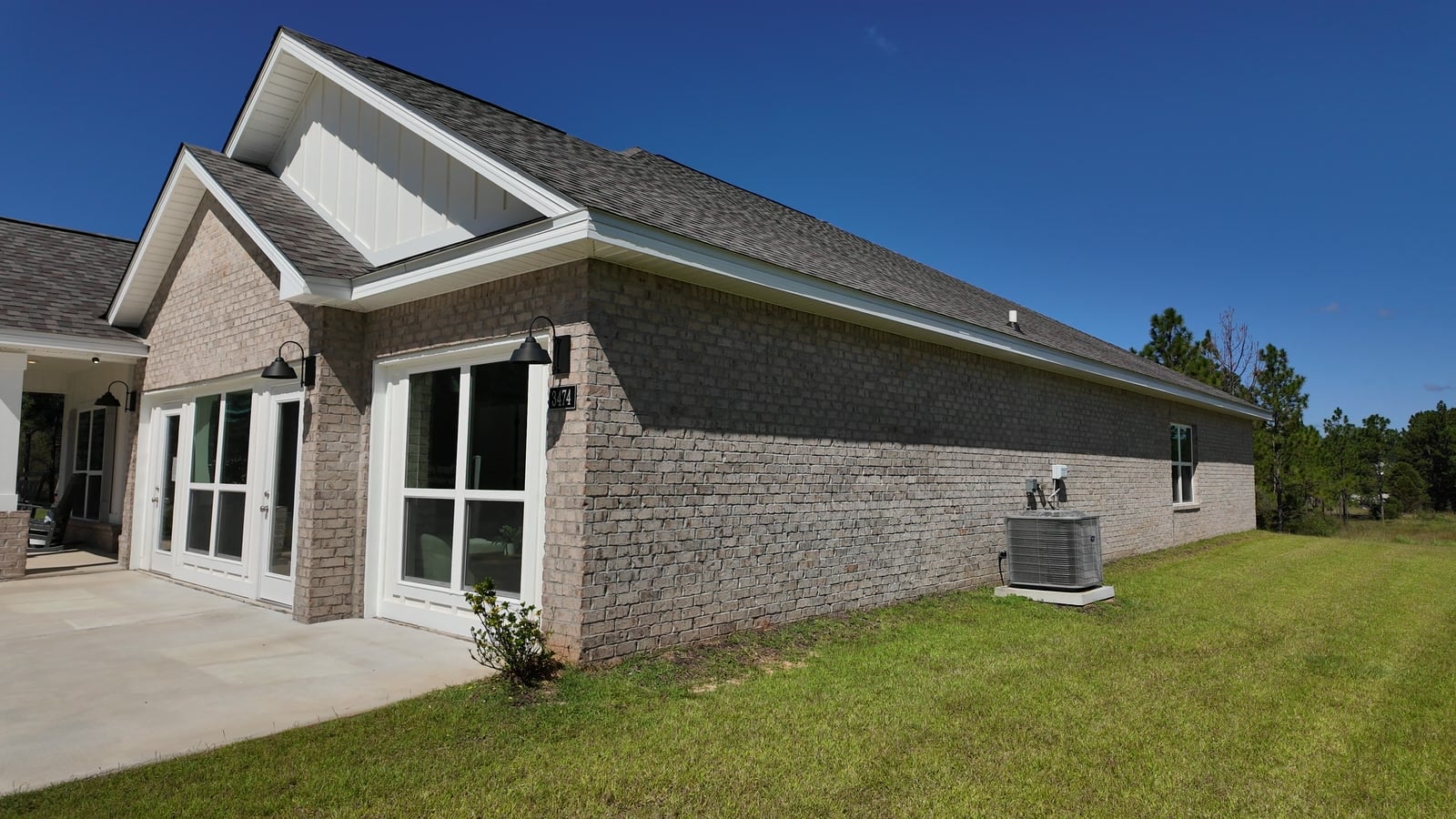
You don't need to become an HVAC technician during the walkthrough. You do need to understand the system well enough to maintain it and to notice when something isn't working the way it should.
Ask How the House Handles Water
I'd absolutely have this conversation with the superintendent. Where does the water go when it rains? Ask them to explain the intended drainage around the house.
Look at the grading and the way the ground slopes away from the foundation. Look at the swales, and at the downspouts if there are any. If there are drainage structures, easements or areas designed to carry water, ask what they are and how they work.
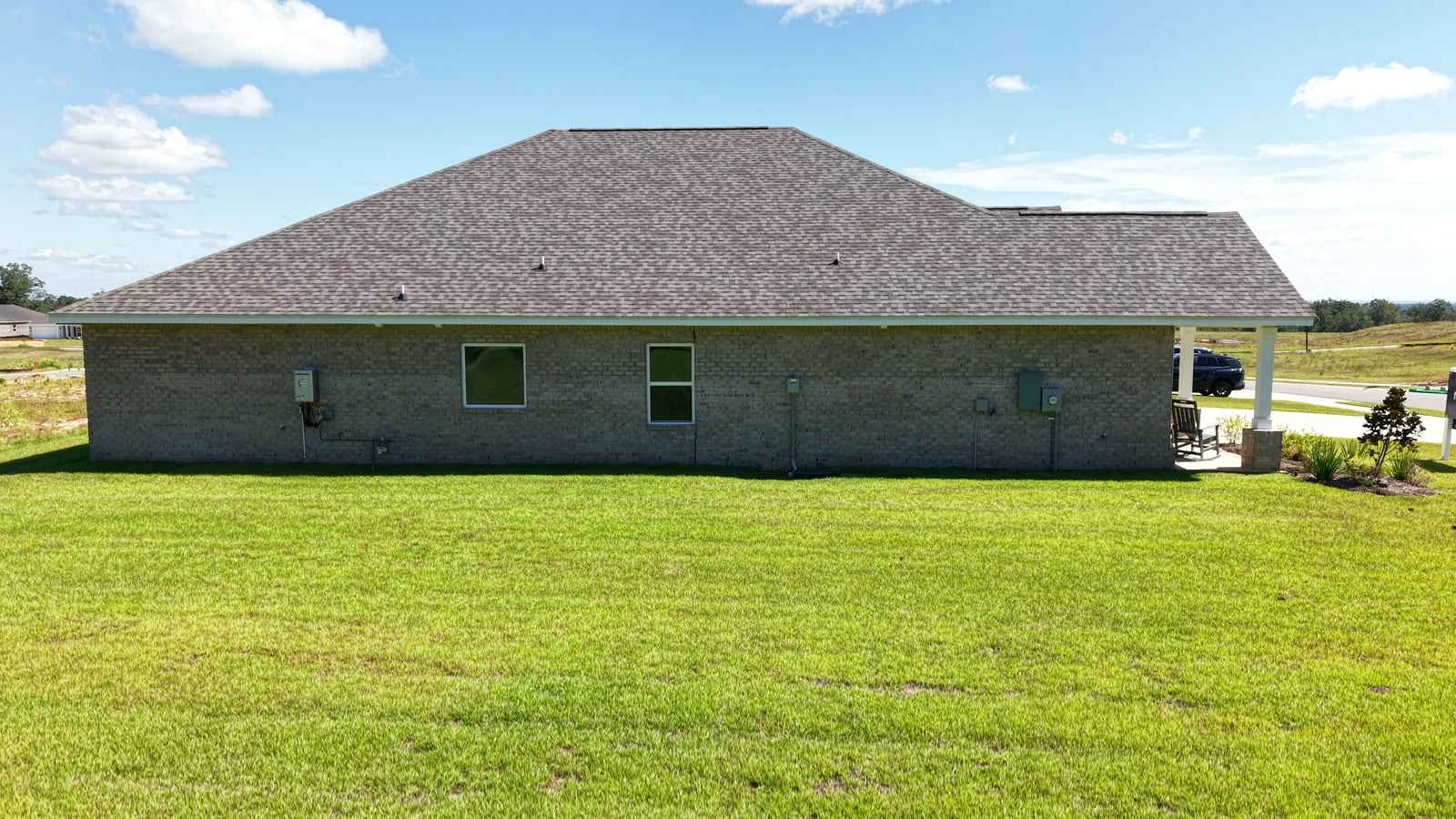
New sod can make a yard look beautiful on walkthrough day. It doesn't tell you how the property handles four inches of South Alabama rain. If anything about the lot seems unusual, the superintendent is a great person to ask.
Ask What You're Responsible for Maintaining
This is one of the most useful parts of the meeting, because warranties and homeowner maintenance are connected. Some things the builder checks before closing become your responsibility afterward. Caulking is a common example: the builder confirms it's in place at orientation, but keeping it maintained after closing is typically on you.
There will be other examples. One of the best questions you can ask a superintendent is, "What are the most common maintenance items homeowners miss in the first year?" They know.
Ask what you need to do with the air conditioning, the exterior and interior caulking, the grout, the landscaping and watering, the garage door, and any exterior materials that need regular maintenance. And ask what could affect your warranty coverage if it's neglected. That's much more valuable than finding out after the fact that something was considered homeowner maintenance.
Ask About the FORTIFIED Gold Documentation
For a Bear Run buyer, I'd use the walkthrough to clarify where the FORTIFIED process stands for your exact house. We've already talked about why I like the FORTIFIED Gold designation in Bear Run. Now I want the paperwork.
Ask whether the final FORTIFIED Gold designation has been issued for this house. If it has, ask how and when you'll receive the certificate and where the FORTIFIED ID number is documented. If it hasn't, ask what's left before it's issued and when you should expect it.
You aren't questioning whether Bear Run is marketed as FORTIFIED Gold. You're verifying the documentation for the house you're actually buying. That's different.
Ask About Warranties Before You Need One
Don't wait until something breaks. Ask the superintendent which items D.R. Horton handles directly and which may be serviced by a manufacturer. Ask how to submit a warranty request, whether that's through an online portal, a phone number or another process, what happens after you submit one, what the normal response looks like, and what records you should keep.
Write down the answers. Six months from now, you won't remember everything someone told you during an hour-long walkthrough while you were excited about closing on your house.
Ask What They'd Watch During the First Year
This may be my favorite question. Not "Is everything good?" Of course they believe the house is ready. Instead, ask: "If this were your house, what would you keep an eye on during the first year?"
That opens a completely different conversation. New homes move and dry out. Soil settles. Materials expand and contract. Caulk shifts. Drywall can develop small cracks or nail pops. Doors may need adjusting. The yard gets established, and the air conditioning goes through its first full summer.
You want to understand what's normal for a new home and what should prompt a warranty call. That knowledge keeps you from panicking over normal settling, and it keeps you from ignoring something that deserves attention.
Go Through the House Room by Room
This is where the cosmetic part of the walkthrough does matter. Go room by room instead of wandering. Open the cabinets and drawers. Check the countertops, flooring, doors, windows, tubs, showers, mirrors, appliances, trim and paint. Then walk the garage and the outside of the house, including the exterior finishes.
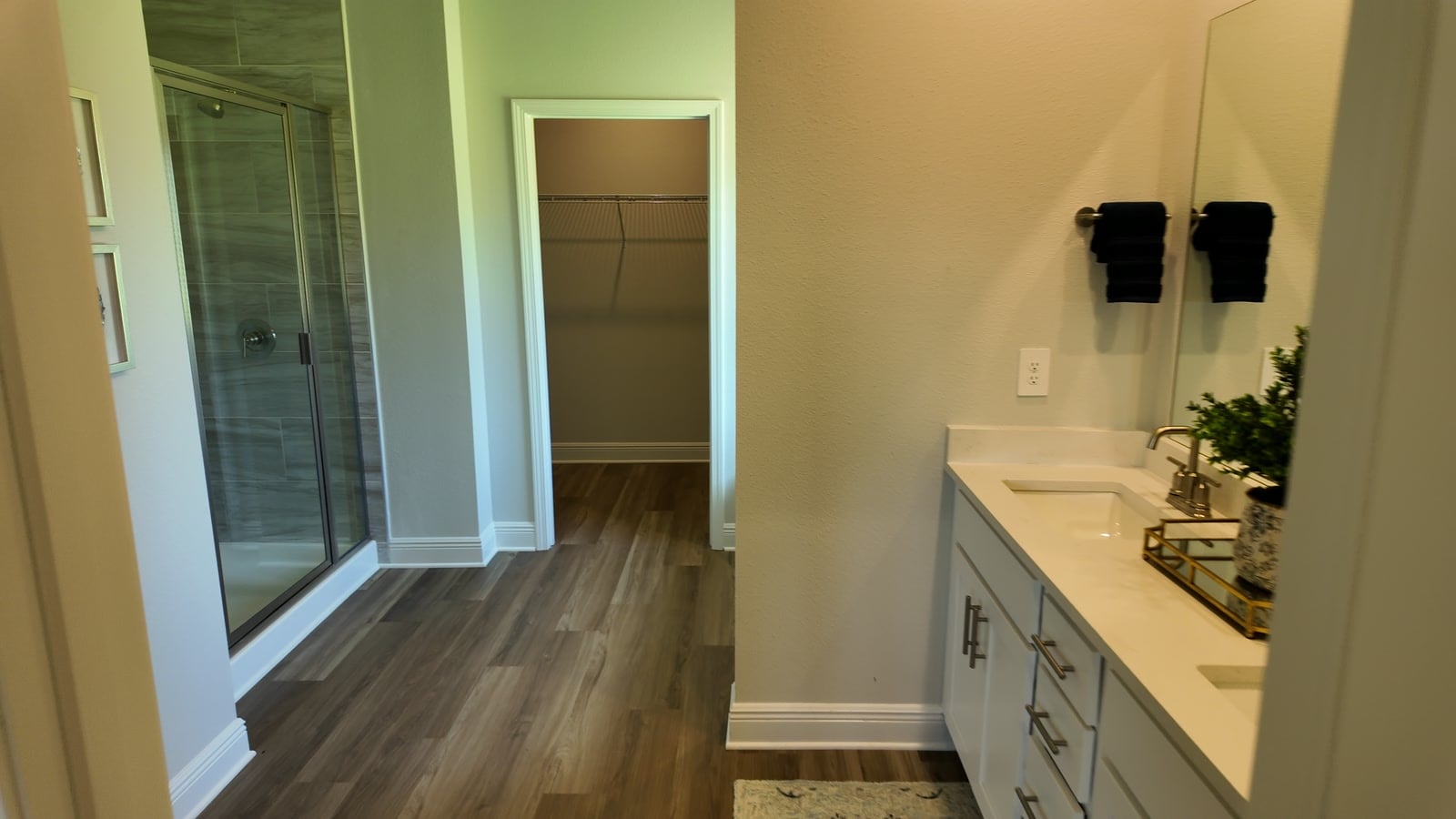
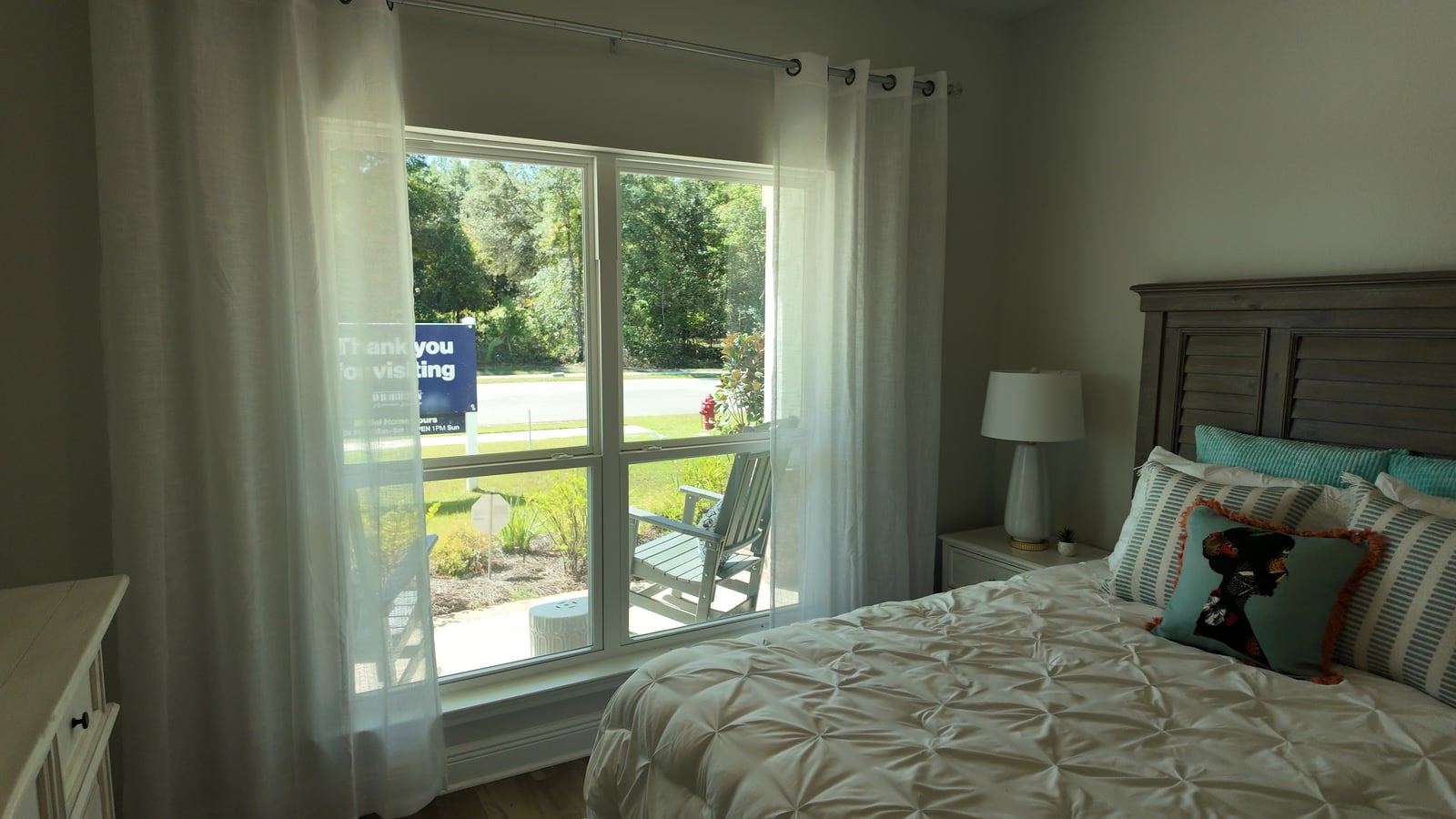
You want any visible damage documented before you take possession. If a defect was reasonably visible before closing and you skipped the chance to point it out, it can be much harder to get it addressed later. If there's a scratch in the flooring, a chip in the countertop, a damaged cabinet or a torn window screen, document it. Once the movers, the furniture and everyday life arrive, proving when cosmetic damage happened gets much harder.
Don't Let Cosmetic Items Distract You From the House
I've seen buyers get so focused on tiny paint imperfections that they stop paying attention to everything else. Yes, point out cosmetic issues. But I'd rather you leave the walkthrough knowing where your main water shutoff is than knowing there's a small paint touch-up behind the guest bedroom door.
We can document both. They aren't equally important. That's part of having someone with you who understands new construction: we help keep the meeting focused.
Ask What's Still Unfinished
It sounds simple, but ask it directly: "What work is still scheduled between today and closing?"
Don't assume the house is completely finished just because the walkthrough is happening. There may still be touch-ups, landscaping, cleaning, punch-list corrections or other work on the schedule. Ask which items are still open, who's responsible for finishing them and when they'll be done, and make sure anything important is written down. Builders typically record these items on a walk list or orientation form. Use that process.
Ask What Happens at the Re-Walk
If there are open items, understand how they get closed out. The re-walk is when you and the builder's representative go back through the original list and verify that everything was completed.
I don't want to hear, "Don't worry, we'll take care of that." I want to hear, "That's on the walkthrough list, and we'll verify it at the re-walk." Those are very different sentences.
The Questions I'd Make Sure Get Answered
You don't need to show up with a seventy-five-question checklist from the internet. But if you were my client, I'd want these answered before we left:
Questions for the superintendent
- Where is the main water shutoff?
- Where are the electrical panels and major utility controls?
- What size air conditioning filters do I need, where are they, and how often should I change them?
- How is water supposed to drain around this lot?
- What first-year maintenance is my responsibility?
- What do new homeowners most often misunderstand about maintaining this house?
- How do I submit a warranty request, and who do I contact?
- What should I expect to see as the house settles during the first year?
- What should I call about right away instead of waiting?
- Has the final FORTIFIED Gold designation been issued, and when do I receive the documentation?
- What's still unfinished today, and which of those items will be done before closing?
- When do we verify those repairs?
- Is there anything about this house or lot I need to know that wouldn't be obvious to me as the homeowner?
Then I'd ask the superintendent one last question: "What haven't I asked you that you think I should know about this house?"
Then stop talking. You may get the most useful answer of the whole walkthrough.
Bring Your Agent
Your agent should be at this meeting, and we will be. Not to pick a fight with the superintendent. Quite the opposite. A good superintendent is one of the most useful people we work with in a new construction purchase, because they know the house.
Our role is to listen, ask questions, help document what needs documenting, and make sure you leave understanding what happens next. You're going to be excited, and you should be. This is usually the moment the construction site finally starts to feel like your home. That's exactly why it helps to have someone beside you who isn't distracted by the excitement.
You Should Leave Knowing Your Home Better
The purpose of the superintendent walkthrough isn't to prove someone can find imperfections in a brand-new house. Every house has things that need adjusting. The real purpose is to make sure the home is ready, document anything that still needs attention, teach you how the systems work, explain the maintenance and warranty process, and let you ask questions while the person who knows how the house was built is standing right there.
When that meeting is over, you should know a lot more about your home than when you walked in. You should know where to shut off the water and how to maintain the air conditioning. You should know how to request warranty service, what still needs to be finished, what happens at the re-walk, and who to call if something isn't right after you move in. That's what a good new construction walkthrough accomplishes.
Me and my team don't just show up at the model home, write a contract and resurface at closing. We stay involved through the build, the inspections, the superintendent walkthrough, the re-walk and closing, because that's where experienced new construction representation actually matters.
We'll be at the walkthrough with you.
Buying new construction can be one of the easiest ways to buy a home when you understand the process. Our job is to make sure you do.
Talk With Our Team About Buying in Bear RunCheck out this article next